
Description
Product Name: Lesya Pepper Seeds
Cultivar Name: Lesya
Species: Capsicum annuum
Common Names: Lesya, Ukrainian Heart Pepper
Type: Heirloom
Origin & Lineage
Geographic Origin: The Lesya pepper (Capsicum annuum) was meticulously bred in Ukraine by Nadiya Filimonivna Bilous, a dedicated horticulturist who spent nine years refining the cultivar before it was considered stable. Developed in the early 2000s at the Bilous family homestead in Prysluch village, Lesya was designed to combine thick flesh, juicy texture, and a distinctive teardrop shape—a visual and culinary alternative to standard bell peppers.
Ukraine’s rich agricultural heritage and temperate climate provided an ideal setting for this breeding effort. The country has long been a cradle for heirloom vegetable development, and Lesya reflects the region’s commitment to flavor-forward, visually striking produce. Though bell peppers are more commonly grown in the U.S., Lesya has become a cultivated treasure in Eastern Europe, now grown globally by heirloom collectors, seed preservationists, and gourmet gardeners.
Its inclusion in the Ukrainian agricultural registry of vegetables marks its formal recognition as a national cultivar.
Cultural Significance: Lesya is celebrated as a symbol of patient breeding and culinary refinement. While not tied to traditional Ukrainian dishes like borscht or holubtsi, it has become a modern staple in Eastern European gardens and kitchens. Its exceptional sweetness, low bitterness, and thick, juicy walls make it ideal for:
- Raw consumption—as a crisp snack or salad ingredient
- Stuffing—its teardrop shape and thick flesh hold fillings beautifully
- Roasting—which intensifies its natural sugars and deepens flavor
- Pickling and fermentation—where its texture remains firm and vibrant
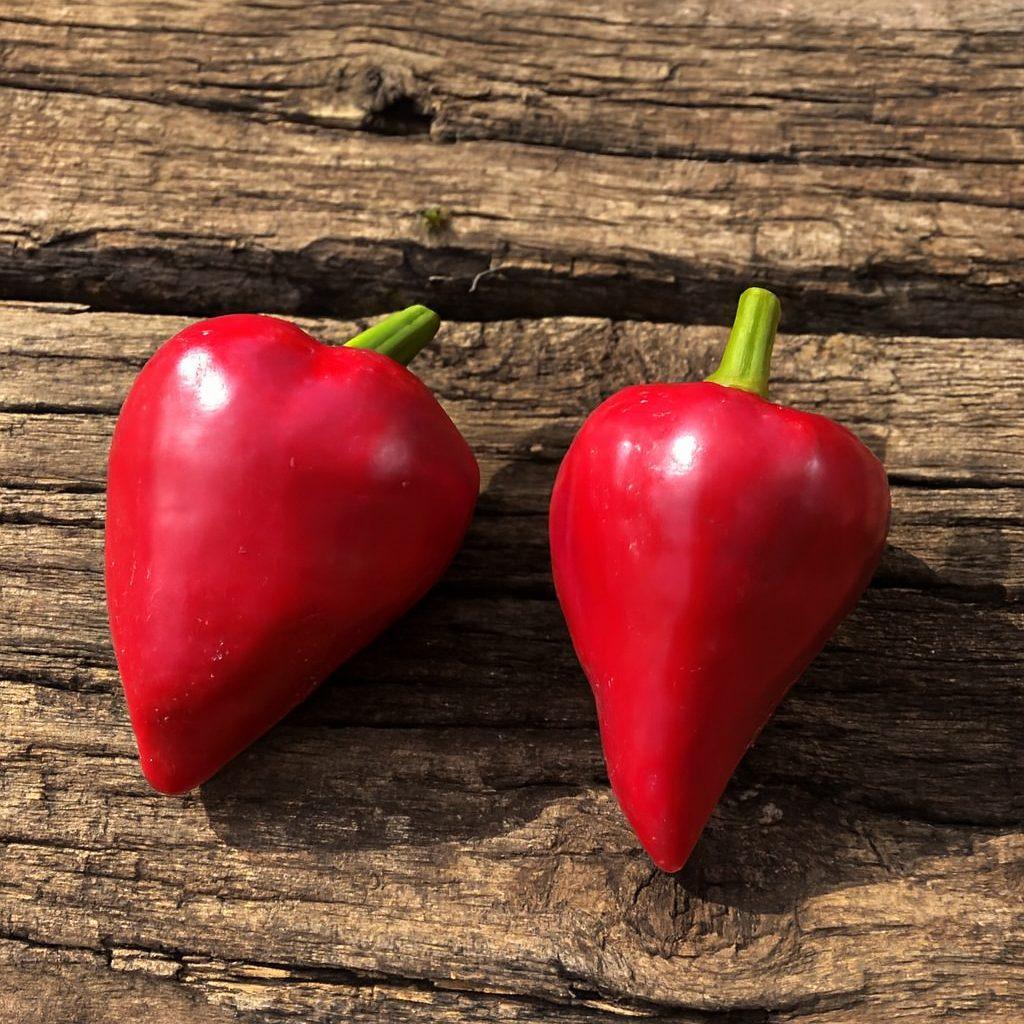
Often described as “the sweetest pepper in the world”, Lesya’s flavor is similar to red bell pepper but elevated in sweetness, with almost no bitterness even in the pith. Its vibrant red hue and heart-like shape make it a head-turner in vegetable gardens, often grown as much for its aesthetic appeal as its culinary value.
In Ukraine and beyond, Lesya represents a new wave of heirloom pride, where growers seek varieties that combine beauty, flavor, and resilience.
Lineage / Hybridizer History: Lesya is a true heirloom, not a commercial hybrid. It was stabilized through open pollination and intentional selection by Nadiya Filimonivna Bilous, who bred the variety to express:
- Thick, juicy flesh
- Teardrop or heart-shaped pods
- Vibrant red coloration
- Low bitterness and high sugar content
The breeding process took nearly a decade, with Bilous selecting for maternal traits that repeated reliably across generations. By the time Lesya was registered, it had achieved genetic stability, meaning seeds saved from mature fruits would produce consistent offspring.
Lesya belongs to the species Capsicum annuum, and its compact plants—typically 2 feet tall—can produce 6–8 full-sized fruits at a time, with potential for dozens per season under ideal conditions. It’s considered low-maintenance, making it accessible to both novice and expert growers.
Variants like Yellow Lesya have since emerged, offering different flavor notes and visual appeal, though the original red remains the most iconic.
Heat Profile
Scoville Rating (SHU): 0 SHU
Perceived Heat: None
Heat Characteristics: Completely sweet. No pungency or burn—ideal for raw use, stuffing, and roasting.
Flavor Profile
Tasting Notes: Exceptionally sweet and juicy with notes of red apple, melon, and floral esters. No bitterness, even in the pith.
Aftertaste / Finish: Clean and refreshing with a lingering sweetness
Ideal Pairings:
- Stuffed with cheese, grains, or meats
- Sliced raw into salads or wraps
- Roasted with olive oil and herbs
- Pickled for gourmet antipasti
- Blended into sweet pepper sauces or dips
Fruit Characteristics
Shape: Pointed heart-shaped pods with a full body and tapered tip
Size: 7–10 cm long, 5–7 cm wide
Color Stages:
- Immature: Pale green
- Ripe: Deep red
- Overripe: May deepen to crimson
Wall Thickness: Very thick
Texture & Skin: Smooth, glossy, and firm; crisp flesh with high moisture content
Plant Details
Growth Habit: Compact and upright
Plant Height & Width:
Height: 50–70 cm
Width: 40–60 cm
Foliage: Bright green, broad leaves
Flower Color: White
Days to Maturity: 75–90 days from transplant
Yield: Moderate – typically 6–10 large pods per plant
Cultivation Information
Seed Count per Pack: 5 or 10 seeds
Germination Time: 7–14 days (Germinating Chilli Seeds)
Optimal Germination Temp: 24–30°C (Essential guide to ideal temperatures and humidity for chilli seed germination)
Light Requirements: Filtered sun
Soil Preferences:
- pH: 6.0–6.8
- Well-draining, fertile soil (Easy DIY soil mixes)
- Benefits from compost and calcium-rich feeding
Storage Tips: Store seeds in a cool, dry place. Refrigeration at 4–8°C extends viability. Avoid moisture and direct light.
Notable Compounds
Capsaicinoid Content: None – zero heat
Volatile Flavor Compounds: High sugar content with esters contributing to fruity aroma
Pigments: Red coloration driven by capsanthin and capsorubin
Culinary & Cultural Use
Traditional Uses: Not tied to traditional cuisine, but ideal for modern dishes requiring sweetness and visual impact
Raw vs Cooked Flavor: Raw pods are crisp and juicy. Cooking enhances sweetness and softens texture. Pickling preserves color and adds tang.
Regional Dishes:
- Ukrainian-style stuffed peppers
- Mediterranean antipasti platters
- Sweet pepper sauces and dips
- Raw garnish for gourmet plating
Storage / Drying / Preserving Tips:
- Best preserved fresh or pickled
- Drying may dull color
- Powdered form is rare but usable in sweet spice blends


Reviews
There are no reviews yet.