
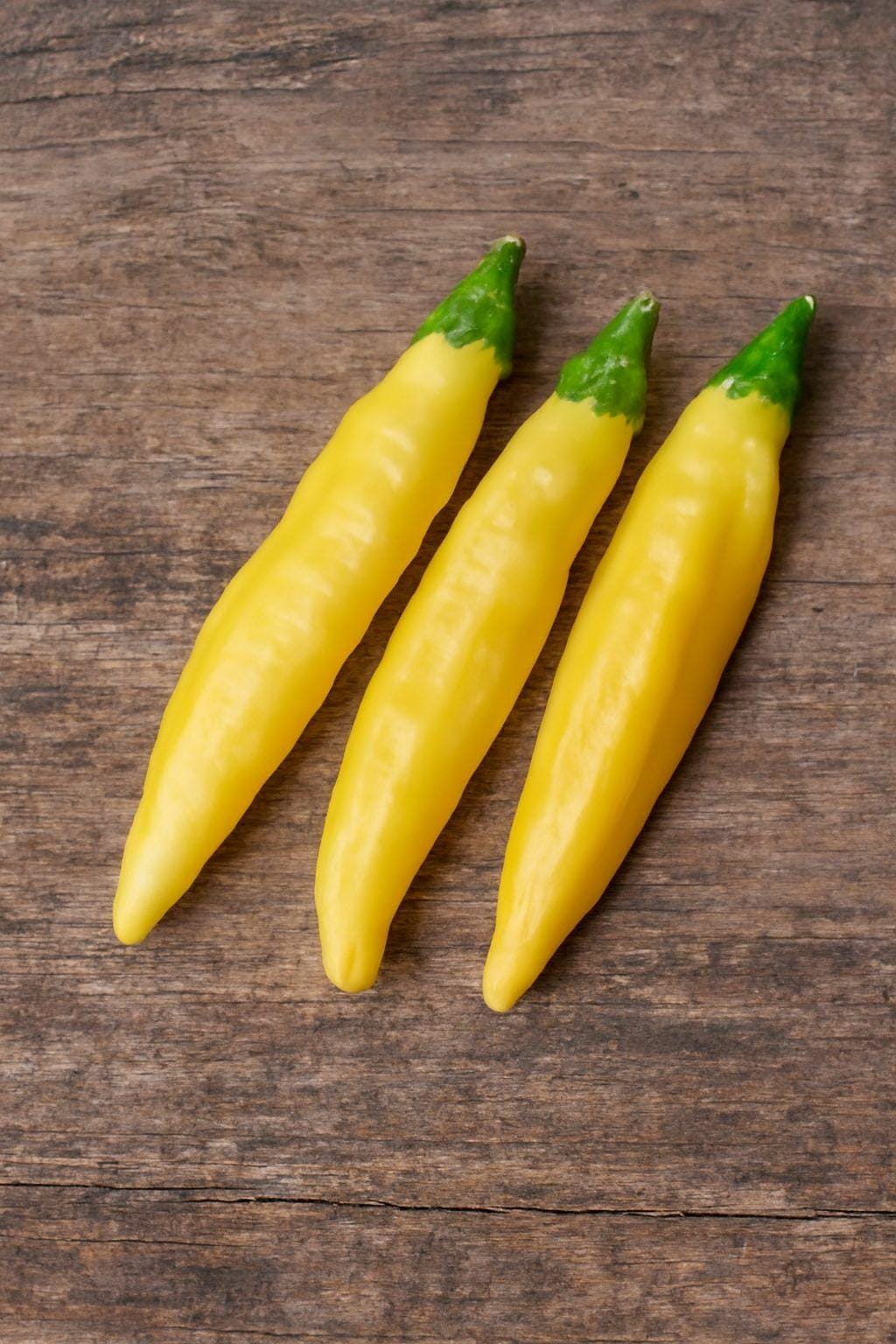
Description
Product Name: Lemondrop
Cultivar Name: Lemondrop
Species: Capsicum baccatum
Common Names: Aji Limon, Lemon Drop, Kellu Uchu
Type: Heirloom
Origin & Lineage
Geographic Origin:
Lemondrop is a traditional Peruvian heirloom pepper, known locally as Ají Limón or Kellu Uchu in Quechua. It originates from the Andean highlands and coastal valleys of Peru, where it has been cultivated for centuries as a seasoning pepper. The cultivar belongs to the Capsicum baccatum species, renowned for its fruity aroma and floral undertones.
Lemondrop was selected for its vivid yellow color, citrus-forward flavor, and moderate heat. It gained international recognition in the early 2000s through seed exchanges and culinary interest in Peruvian cuisine. Today, it is grown across South America, North America, Europe, and Southern Africa, prized for its ornamental appeal and culinary versatility.
Cultural Significance:
In Peruvian cooking, Lemondrop is a staple in traditional dishes such as ají de gallina, ceviche, and anticuchos. Its bright color and tangy heat are emblematic of coastal and highland flavor profiles. The pepper is often dried and ground into powder, used fresh in salsas, or infused into oils and vinegars.
Lemondrop peppers are favored by chefs, hot sauce makers, and heirloom collectors for their balance of heat and citrus. In South African gardens, they are grown for both culinary use and ornamental display, often featured in edible landscapes and container gardens.
Lineage / Hybridizer History
Parentage:
Native landrace from Peru, stabilized through open pollination
Breeders selected for:
• Bright yellow coloration at full maturity
• Tapered, wrinkled pod shape
• Thin walls suitable for drying and powdering
• Citrus-forward flavor with moderate heat
• High yield and disease resilience
Stabilization Status:
Fully stable heirloom cultivar. Widely available through specialty seed houses. Open-pollinated and true to type across generations.
Heat Profile
Scoville Rating (SHU): 15,000–30,000 SHU
Perceived Heat: Medium
Heat Characteristics:
Lemondrop delivers a fast, clean burn that fades quickly. The heat is noticeable but not overwhelming, making it suitable for medium-heat applications. It is often compared to cayenne or serrano in intensity, but with a brighter, more aromatic profile.
Flavor Profile
Tasting Notes:
Sharp citrus burst with notes of lemon zest, lemongrass, and green apple. The thin flesh allows the flavor to release quickly, making it ideal for fresh salsas and infusions.
Aftertaste / Finish:
Clean, tangy finish with lingering floral undertones. No bitterness.
Ideal Pairings:
• Blended into citrus-based hot sauces
• Minced into ceviche or seafood marinades
• Dried and powdered for seasoning meats and vegetables
• Infused into oils and vinegars
• Added to fruit salsas and chutneys
• Used in Peruvian stews and soups
Fruit Characteristics
Shape:
Tapered, elongated pods with slight wrinkling
Size:
5–7 cm long, 1–1.5 cm wide
Color Stages:
• Immature: Pale green
• Ripe: Bright lemon-yellow
• Overripe: May deepen to goldenrod
Wall Thickness:
Thin
Texture & Skin:
Smooth to slightly wrinkled. Flesh is crisp and aromatic.
Plant Details
Growth Habit:
Upright and highly branched
Plant Height & Width:
Height: 90–120 cm
Width: 60–75 cm
Foliage:
Dark green, narrow leaves with open canopy
Flower Color:
White with greenish-yellow spots at petal base
Days to Maturity:
90–100 days from transplant
Yield:
Very high — often exceeds 100 pods per plant under optimal conditions
Lemondrop plants are vigorous and ornamental, often grown as perennials in frost-free regions. They benefit from staking and pruning to manage canopy density and fruit load.
Cultivation Information
Seed Count per Pack: 10 seeds
Germination Time: 10–21 days (Germinating Chilli Seeds)
Optimal Germination Temp: 24–30°C (Essential guide to ideal temperatures and humidity for chilli seed germination)
Light Requirements: Filtered sun
Soil Preferences:
• pH: 6.2–7.0
• Well-draining loam enriched with compost (Easy DIY soil mixes)
• Benefits from organic matter and potassium-rich feeding
Watering:
Maintain consistent moisture. Avoid waterlogging. Mulch to retain soil moisture and suppress weeds.
Fertilization:
Apply balanced NPK fertilizer every 2–3 weeks. Switch to higher phosphorus formula during flowering.
Pruning:
Pinch growing tips to encourage branching. Remove lower leaves and non-productive stems to improve airflow.
Storage Tips:
Store seeds in a cool, dry place. Refrigeration at 4–8°C extends viability. Avoid humidity and direct light.
Notable Compounds
Capsaicinoid Content:
Moderate — primarily capsaicin and dihydrocapsaicin
Volatile Flavor Compounds:
Citral, limonene, and linalool contribute to citrus aroma
Pigments:
Yellow coloration driven by carotenoids including lutein and zeaxanthin
Nutritional Value:
High in vitamin C, vitamin A, and antioxidants. Contains capsaicin, dietary fiber, and trace minerals.
Culinary & Cultural Use
Traditional Uses:
Lemondrop is used in Peruvian cuisine for sauces, stews, and marinades. It is a key ingredient in ají de gallina, rocoto relleno, and citrus-based salsas.
Raw vs Cooked Flavor:
Raw: Bright, tangy, and aromatic
Cooked: Mellowed citrus with intensified heat
Regional Dishes:
• Peruvian ají de gallina with citrus heat
• South African seafood marinades with minced Lemondrop
• Latin American fruit salsas with mango and lime
• Hot sauces blended with vinegar and garlic
• Pickled Lemondrop rings for sandwiches and tacos
Storage / Drying / Preserving Tips:
• Ideal for drying and powdering
• Can be frozen whole or sliced
• Retains citrus aroma when dehydrated



Reviews
There are no reviews yet.