
Description
Product Name: Lemon Puma BBG
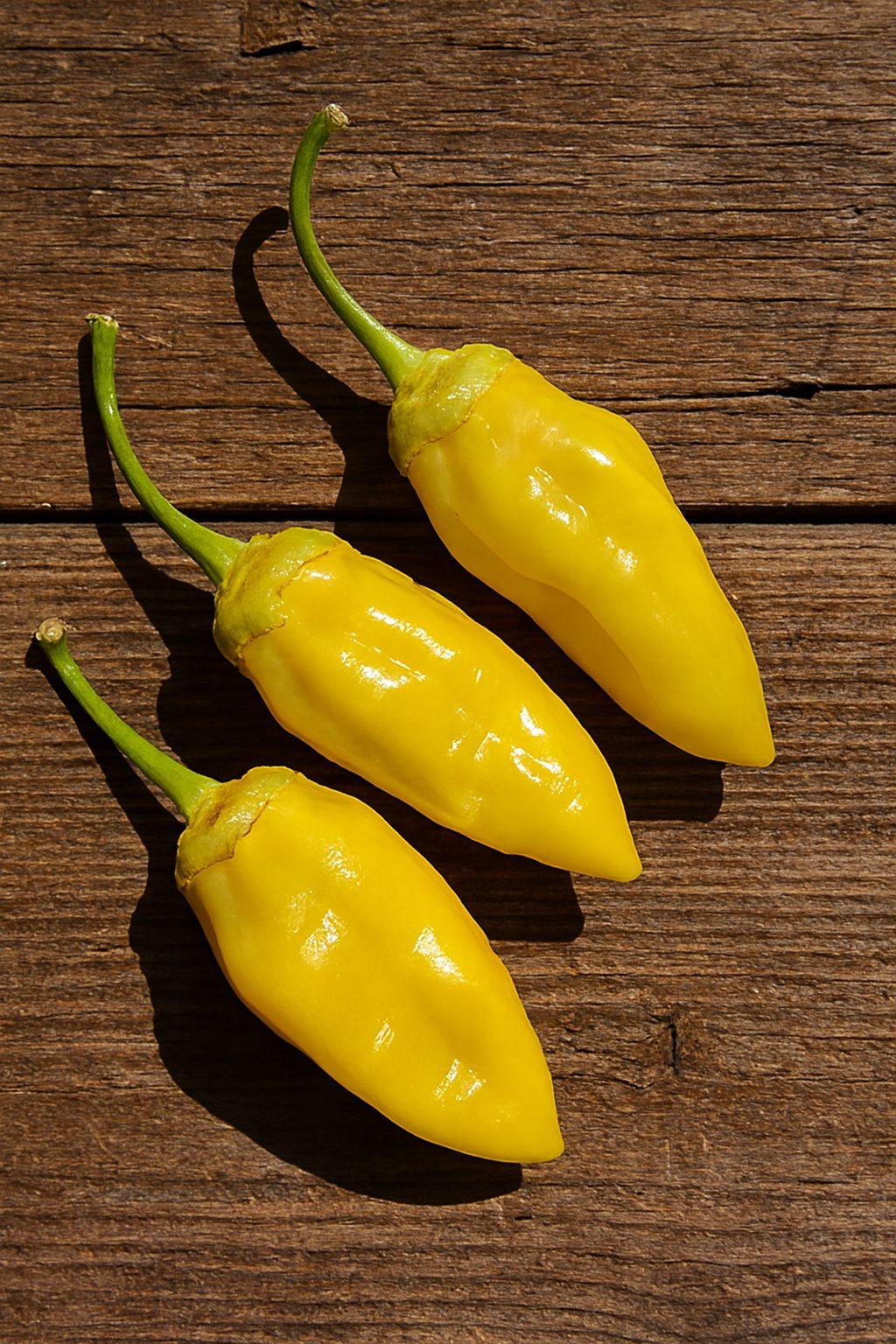
Lemon Puma BBG is a visually arresting and genetically complex hybrid cultivar of Capsicum chinense, bred for its striking yellow pod coloration, bleeding calyx trait, and superhot classification. The name “Lemon Puma” reflects both its citrus-like appearance and its fierce heat profile, while “BBG” denotes its lineage from the 7 Pot Bubblegum family. This cultivar is part of a modern breeding movement focused on ornamental aesthetics, bleeding calyx expression, and culinary firepower. Lemon Puma BBG is favored by collectors, sauce makers, and growers seeking a cultivar that combines horticultural drama with intense pungency.
- Cultivar Name: Lemon Puma BBG
- Species: Capsicum chinense
- Common Names: Lemon Bubblegum, Puma BBG
- Type: Hybrid
Origin & Lineage
Geographic Origin: Lemon Puma BBG originated in Europe, with early selections traced to breeders in Germany and the United Kingdom. It was developed through selective breeding of bleeding calyx phenotypes, particularly from the 7 Pot Bubblegum line. The cultivar has since been refined by independent breeders across Europe and South Africa, with phenotypic variation still present in pod shape, calyx expression, and pigmentation.
Cultural Significance: Although not tied to traditional culinary or ritual use, Lemon Puma BBG has gained cultural traction within the chilli enthusiast community. Its bleeding calyx trait—where the pod’s color migrates into the stem—is considered a hallmark of ornamental breeding. This cultivar is often showcased in hot sauce branding, competitive growing forums, and collector seed banks. Its vivid yellow pods and dramatic calyx bleeding make it a conversation piece in both gardens and kitchens.
Lineage / Hybridizer History: Lemon Puma BBG is a stabilized cross involving 7 Pot Bubblegum and other bleeding calyx derivatives, selected for lemon-like pod shape, yellow pigmentation, and consistent superhot heat. The BBG lineage was originally stabilized by Jon Harper in the UK, and Lemon Puma represents a color-specific refinement of this trait. It is currently in its F5–F6 generation, with semi-stable traits and ongoing refinement by hobbyist and professional growers.
Heat Profile
Scoville Rating (SHU): 800,000–1,000,000 SHU
Perceived Heat: Superhot
Heat Characteristics: The burn is immediate and aggressive, beginning with a sharp sting that rapidly expands across the palate. The heat is concentrated in the placenta and inner walls, and even small quantities can overwhelm unprepared palates. Despite its intensity, the burn is clean and does not carry the acrid bitterness found in some superhots. When dried, the heat becomes more focused and slightly more intense, making it ideal for powders and extracts.
Flavor Profile
Tasting Notes: Bright and citrus-forward, with subtle floral undertones. The flavor is reminiscent of lemon zest and tropical fruit, especially when fresh.
Aftertaste / Finish: A lingering sweetness followed by a dry, peppery finish. The floral notes become more pronounced as the heat subsides.
Ideal Pairings: Complements tropical fruits, garlic, and fermented bases. Ideal for hot sauces, citrus-based salsas, and rubs for grilled meats. Also pairs well with vinegar, tamarind, and smoked paprika in fusion dishes.
Fruit Characteristics
Shape: Rounded and slightly pointed, resembling a lemon or teardrop
Size: 4–5 cm long, 2 cm diameter
Color Stages: Immature: green → Ripe: bright yellow with bleeding calyx
Wall Thickness: Medium
Texture & Skin: Blistered and wrinkled, with a glossy finish and pronounced calyx bleeding.
Plant Details
Growth Habit: Bushy with upright branching
Plant Height & Width: 80–100 cm tall, 60–80 cm wide
Foliage: Dark green with occasional purple veining; pubescent
Flower Color: White with purple accents
Days to Maturity: 120–150 days from germination
Yield: Moderate – typically 60–100 pods per plant under optimal conditions
Cultivation Information
Seed Count per Pack: 5 or 10 seeds (Presoaking Chilli Seeds)
Germination Time: 7–14 days (Germinating Chilli Seeds)
Optimal Germination Temp: 25–30°C (Essential guide to ideal temperatures and humidity for chilli seed germination)
Light Requirements: Filtered sun
Soil Preferences: Prefers well-drained loamy soil with pH 6.0–6.8. Enrich with compost and potassium for optimal fruiting (Easy DIY soil mixes)
Storage Tips: Store Lemon Puma BBG seeds in airtight containers in a cool, dry place. Avoid exposure to light and moisture to maintain viability for up to 3 years.
Notable Compounds
Capsaicinoid Content: High levels of capsaicin and dihydrocapsaicin contribute to its superhot classification
Volatile Flavor Compounds: Limonene and citral are likely contributors to its citrus aroma; trace amounts of vanillin may enhance floral notes
Anthocyanins / Pigments: Strong anthocyanin expression in calyx and stem; coloration driven by delphinidin and cyanidin derivatives
Culinary & Cultural Use
Traditional Uses: While not tied to heritage recipes, Lemon Puma BBG is used in modern hot sauce formulations, spice powders, and fermented chilli pastes. Its vivid color and intense heat make it suitable for visual and sensory impact in gourmet preparations.
Raw vs Cooked Flavor: Raw Lemon Puma BBG pods offer crisp texture and bright acidity. Cooking deepens the citrus notes and softens the floral edge. Roasting adds smokiness, while fermentation enhances umami and complexity.
Regional Dishes: Used in fusion sauces and rubs, particularly in artisanal hot sauce recipes. Though not yet featured in canonical dishes, it has been adopted by growers and chefs for its pigment and burn.
Storage / Drying / Preserving Tips:
Dry Lemon Puma BBG pods in shaded, ventilated areas to retain pigment and flavor. Once dried, they may be ground into powder or stored whole. Fermentation with garlic, citrus, and vinegar yields a shelf-stable condiment with layered heat.


Reviews
There are no reviews yet.