
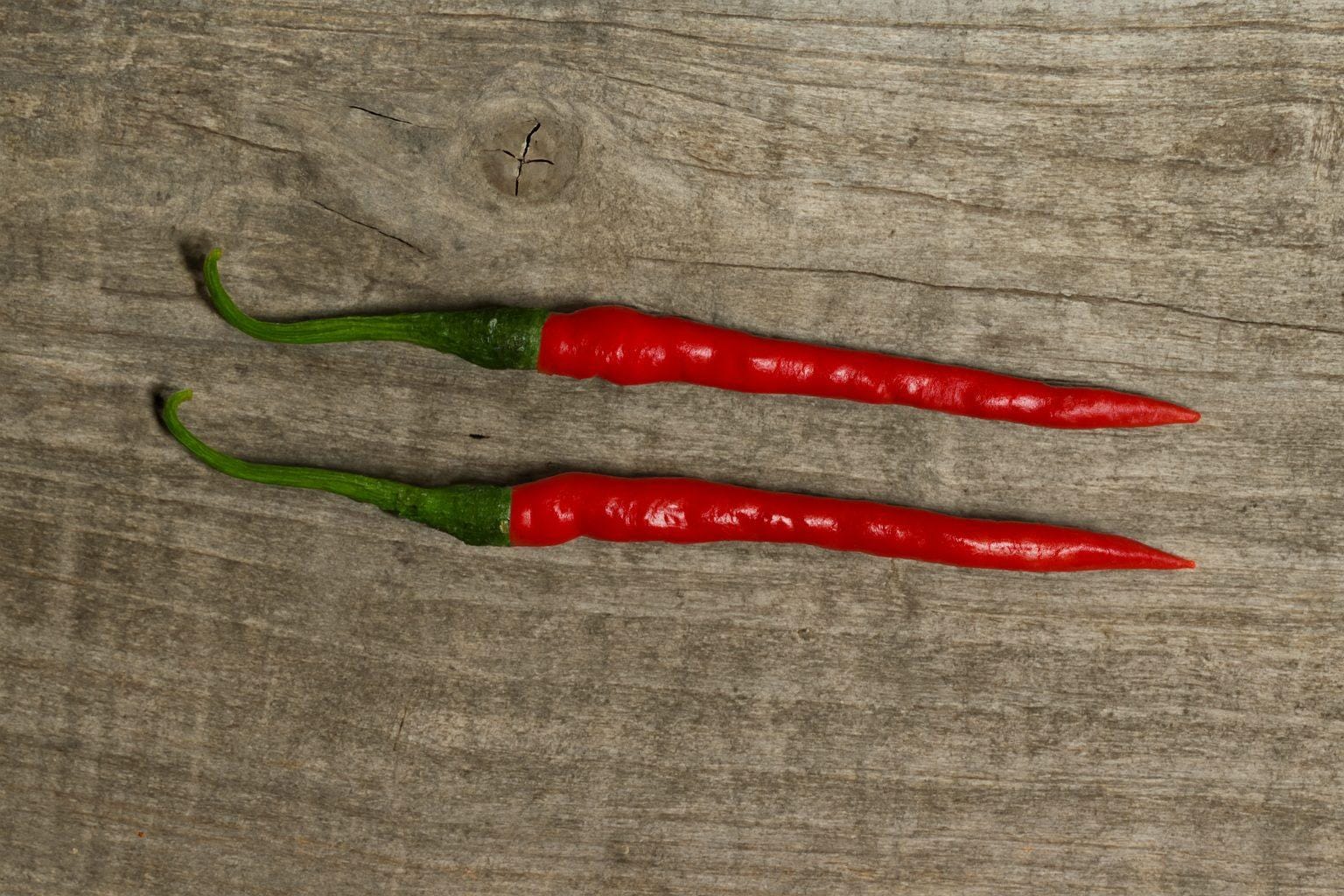
Description
Product Name: Laungi
Cultivar Name: Laungi
Species: Capsicum annuum
Common Names: Laungi Pepper
Type: Heirloom
Origin & Lineage
Geographic Origin:
Laungi is a regionally significant heirloom cultivar native to India, where it has been cultivated for generations in smallholder farms and home gardens. This variety thrives in the warm, humid climates of northern and eastern India, particularly in states like Bihar and Uttar Pradesh. Its long, slender pods and vibrant red coloration have made it a staple in local spice markets and culinary traditions. Though not widely commercialized outside of India, Laungi has gained recognition among seed collectors and chili enthusiasts for its moderate heat, ease of cultivation, and versatility in Indian cuisine.
Cultural Significance:
In Indian culinary tradition, Laungi peppers are valued for their balance of heat and flavor. They are commonly used in curries, pickles, and spice blends such as garam masala. The dried pods are often ground into chili powder and incorporated into marinades, sauces, and vegetable dishes. While not associated with ritual use or folklore, Laungi peppers are deeply embedded in regional cooking practices and are frequently passed down through family seed-saving traditions. Their moderate pungency makes them accessible to a wide range of palates, and their adaptability to various growing conditions has ensured their continued relevance in both rural and urban gardens.
Lineage / Hybridizer History:
Laungi is an open-pollinated heirloom cultivar, not the result of modern hybridization. It has been preserved through traditional seed-saving methods and natural selection, with no single breeder credited for its development. The variety exhibits stable traits across generations, including pod shape, color, and flavor profile. While some growers have attempted to cross Laungi with other Capsicum annuum varieties to enhance yield or disease resistance, the original form remains distinct and highly sought after for its culinary authenticity and ease of growth.
Heat Profile
Scoville Rating (SHU): 15,000–30,000 SHU
Perceived Heat: Hot
Heat Characteristics:
Laungi delivers a sharp, clean heat that builds quickly and fades smoothly. The burn is concentrated around the tongue and lips, with a short to moderate duration. It is assertive enough to enhance dishes without overpowering other ingredients. The heat is evenly distributed throughout the pod, making it suitable for both fresh and dried applications. When dried and ground, the heat intensifies slightly, contributing to the potency of spice blends and rubs.
Flavor Profile
Tasting Notes:
Fresh Laungi pods offer a fruity, slightly smoky flavor with a crisp texture. The sweetness is subtle, allowing the pepper’s natural earthiness to come forward. When dried, the flavor deepens, revealing notes of tobacco, dried plum, and roasted chili.
Aftertaste / Finish:
The finish is warm and lingering, with a mild bitterness that balances the initial fruitiness. Roasting enhances the pepper’s natural sugars, producing a caramelized depth that complements savory dishes.
Ideal Pairings:
Laungi pairs well with:
- Tomato-based curries and stews
- Pickled vegetables and chutneys
- Spice blends and dry rubs
- Lentil dishes and vegetable stir-fries
Fruit Characteristics
Shape: Long, slender pods with slight curvature
Size: Approximately 6–8 cm long, 1–1.5 cm diameter
Color Stages: Immature: green → Ripe: vibrant red
Wall Thickness: Thin
Texture & Skin: Smooth and glossy, firm when fresh.
Plant Details
Growth Habit: Bushy and compact
Plant Height & Width: 60–90 cm tall, 40–60 cm wide
Foliage: Dark green, slightly pubescent
Flower Color: White
Days to Maturity: 90–120 days from transplant
Yield: Moderate – typically 30–50 pods per plant under optimal conditions.
Cultivation Information
Seed Count per Pack: 5 or 10 seeds (Presoaking Chilli Seeds)
Germination Time: 7–14 days (Germinating Chilli Seeds)
Optimal Germination Temp: 25–30°C (Essential guide to ideal temperatures and humidity for chilli seed germination)
Light Requirements: Filtered sun
Soil Preferences: Well-draining soil with pH 6.0–6.8, enriched with compost and perlite (Easy DIY soil mixes)
Storage Tips: Store seeds in airtight containers in a cool, dry place. Avoid exposure to humidity and direct sunlight to preserve viability for up to 24 months.
Notable Compounds
Capsaicinoid Content:
Laungi contains moderate levels of capsaicin and dihydrocapsaicin, consistent with its hot classification. These compounds are primarily concentrated in the placenta and inner walls and are responsible for the pepper’s sharp burn.
Volatile Flavor Compounds:
Though specific studies on Laungi are limited, similar Capsicum annuum varieties contain limonene, vanillin, and esters that contribute to fruity and smoky aromas.
Anthocyanins / Pigments:
Laungi does not express significant anthocyanin pigmentation. Its coloration is driven by carotenoids, particularly capsanthin and capsorubin, which produce the vibrant red hue observed at full ripeness.
Culinary & Cultural Use
Traditional Uses:
Laungi is traditionally used in:
- Indian-style curries and masalas
- Pickled chili condiments
- Spice blends such as garam masala
- Dried chili powders and rubs
Raw vs Cooked Flavor:
Raw pods offer a crisp texture and bright, fruity flavor with immediate heat. Cooking—especially roasting or grilling—enhances sweetness and introduces smoky undertones. Pickling preserves both color and heat, adding tangy complexity to dishes.
Regional Dishes:
This cultivar has been featured in:
- North Indian tomato-based curries
- South Indian vegetable pickles
- Bengali-style mustard chili sauces
- Maharashtrian spice blends and dry chutneys
Storage / Drying / Preserving Tips:
To preserve flavor and color:
- Air-dry pods in a shaded, ventilated area
- Use dehydrators at low heat (below 45°C)
- Store dried pods in vacuum-sealed bags
- For pickling, combine with vinegar, mustard seeds, and garlic in sterilized jars


Reviews
There are no reviews yet.