

Description
Product Name: Kraken Peach Chilli Seeds
Cultivar Name: Kraken Peach
Species: Capsicum chinense
Common Names: Kraken Peach, Peach Kraken, Kraken Peach Scorpion
Type: Unstable Hybrid / Superhot / Ornamental
Origin & Lineage
Geographic Origin: The Kraken Peach pepper is believed to have emerged from experimental superhot breeding programs in the United States, though its exact origin and breeder remain undocumented. It belongs to the “Picante Class”—a loosely defined category used by artisan growers to describe rare, unstable hybrids that push the boundaries of pod morphology, pigmentation, and capsaicin content.
This cultivar is part of a broader wave of post-2010 superhot innovation, where growers across the U.S. began crossing Capsicum chinense varieties like Trinidad Scorpion, Bhut Jolokia, and 7 Pot strains to create peppers with extreme heat, exaggerated shapes, and unusual colors. The Kraken Peach fits squarely within this movement, showcasing:
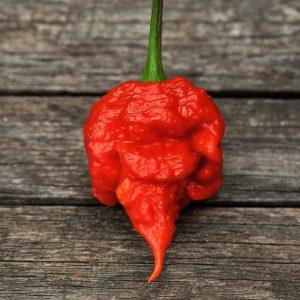
- Large, wrinkled pods with deep folds and stinger-like tails
- A peach-to-orange ripening pattern
- Unpredictable phenotypes, especially in early generations
Though not officially registered or stabilized by a known breeder, the Kraken Peach has circulated through seed-sharing communities, boutique seed vendors, and online forums, gaining traction among collectors who value novelty and intensity.
Cultural Significance: The Kraken Peach is celebrated not just for its heat, but for its mythic visual impact. Its name evokes the legendary sea monster of Norse and Greek mythology—a creature of chaos, power, and the unknown. This metaphor resonates with growers who seek bold, unconventional cultivars that defy expectations.
In the garden, the Kraken Peach is prized for:
- Ornamental drama—its pods resemble twisted sea creatures, making it a showstopper in superhot collections
- Fermentation potential—its thick walls and fruity aroma lend well to aged hot sauces
- Heat-forward culinary use—ideal for extreme sauces, salsas, and spice blends
Its Scoville rating is unofficial, but anecdotal reports place it in the 800,000–1,200,000 SHU range, comparable to Scorpion-type peppers. Because of its instability, flavor and heat may vary slightly between plants, adding to its mystique.
The Kraken Peach is often grown by:
- Artisan sauce makers, who value its unique flavor and branding appeal
- Collectors and hobbyists, who enjoy its unpredictable traits
- Experimental breeders, who use it as a parent line for new hybrids
Its popularity reflects a broader cultural fascination with extreme heat, visual storytelling, and botanical rarity—a pepper that’s as much a conversation piece as it is a culinary weapon.
Lineage / Hybridizer History: While the precise parentage of the Kraken Peach is unknown, it shares strong visual and structural traits with Jay’s Peach Ghost Scorpion, a hybrid developed by a grower named Jay in Pennsylvania. Like Jay’s creation, the Kraken Peach features:
- Wrinkled, contorted pods
- A stinger tail
- Peach coloration that deepens with maturity
It likely descends from a cross involving:
- Trinidad Scorpion-type peppers (for shape and heat)
- Bhut Jolokia or Ghost Pepper (for aroma and burn)
- Possibly 7 Pot or Moruga variants (for pod size and texture)
The Kraken Peach is classified as an unstable hybrid, meaning:
- It has not reached full genetic stability
- Pod shape, size, and color may vary across generations
- Seed-saving may result in unpredictable offspring
Despite this, many growers report consistent traits by F3–F4, and some vendors now offer select lines with improved stability. It remains a Capsicum chinense variety, and like others in its class, it requires warm temperatures, long growing seasons, and careful handling due to its intense heat.
Heat Profile
Scoville Rating (SHU): Estimated 800,000–1,400,000 SHU
Perceived Heat: Superhot
Heat Characteristics: Sharp, fast-building burn with a lingering sting. The heat is concentrated in the placenta and seeds, with a full-body effect that can overwhelm unprepared palates. Use caution when handling or consuming.
Flavor Profile
Tasting Notes: Fruity and peppery with floral undertones. The flavor is bright and slightly citrusy, with a raw bitterness that softens when cooked or fermented.
Aftertaste / Finish: Clean and fiery, with a subtle sweetness beneath the heat. Best used in small quantities to avoid overpowering dishes.
Ideal Pairings:
- Fermented sauces with stone fruit or citrus
- Caribbean-style pepper mashes
- Spicy chutneys and relishes
- Artisan hot sauces with layered heat
Fruit Characteristics
Shape: Large, deeply wrinkled pods with irregular lobes and occasional tails
Size: 5–7 cm long, 2–3 cm wide
Color Stages:
- Immature: Light green
- Ripe: Peach to orange-peach
- Overripe: May deepen to salmon or bronze
Wall Thickness: Medium
Texture & Skin: Heavily blistered and contorted; dramatic visual appeal
Plant Details
Growth Habit: Medium bushy
Plant Height & Width:
Height: 70–100 cm
Width: 60–80 cm
Foliage: Dark green, broad leaves
Flower Color: White
Days to Maturity: 100–120 days from transplant
Yield: Moderate – 40–60 pods per plant under ideal conditions
Cultivation Information
Seed Count per Pack: 5 or 10 seeds
Germination Time: 10–14 days (Germinating Chilli Seeds)
Optimal Germination Temp: 26–32°C (Essential guide to ideal temperatures and humidity for chilli seed germination)
Light Requirements: Filtered sun
Soil Preferences:
- pH: 6.0–6.8
- Rich, well-draining soil with compost (Easy DIY soil mixes)
- Benefits from calcium and potassium supplementation
Storage Tips:
Store seeds in a cool, dry place. Refrigeration at 4–8°C extends viability. Avoid moisture and direct light.
Notable Compounds
Capsaicinoid Content: High levels of capsaicin and nordihydrocapsaicin; heat concentrated in placenta
Volatile Flavor Compounds: Limonene, geraniol, and esters contribute to fruity aroma
Carotenoids / Pigments: Peach coloration driven by beta-carotene and capsanthin
Culinary & Cultural Use
Traditional Uses: Not used traditionally due to instability and extreme heat. Primarily grown for fermentation, sauces, and ornamental display.
Raw vs Cooked Flavor: Raw pods are pungent and bitter; cooking enhances sweetness and reduces sharpness. Fermentation adds depth and complexity.
Regional Dishes:
- Caribbean-style pepper sauces
- Southeast Asian sambals
- Mexican-style peach salsa (microdosed)
- Artisan fermented blends with mango or apricot
Storage / Drying / Preserving Tips:
- Ideal for fermentation and sauce-making
- Can be dried whole or sliced
- Powdered form retains color and heat for seasoning blends


Reviews
There are no reviews yet.