
Description
Product Name: Gypsy Baroness
Cultivar Name: Gypsy Baroness
Species: Capsicum annuum
Common Names: Gypsy Baroness, Gypsy Sweet Pepper, Baroness Fryer
Type: Stable Hybrid
Origin & Lineage
Geographic Origin:
Developed in Southern California by the Petoseed Company in 1980, Gypsy Baroness is a hybrid between a sweet Italian bullhorn pepper and a bell pepper. It was bred specifically for disease resistance, particularly against tobacco mosaic virus, and was awarded All-America Selections Winner status in 1981 for its performance and flavor.
Cultural Significance:
Gypsy Baroness is widely grown in North America, Europe, and South Africa for its ornamental appeal, culinary versatility, and sweet flavor profile. It is a favorite among home gardeners, chefs, and market growers due to its early maturity, high yield, and multi-stage harvest potential.
Historical Notes:
This cultivar is often confused with standard Gypsy peppers, but Gypsy Baroness expresses deeper pigmentation, slender pod shape, and enhanced sweetness. It is considered a refined selection within the Gypsy lineage, with stabilized traits across multiple generations.
Lineage / Breeder History
Parentage:
Bell Pepper × Sweet Italian Bullhorn Pepper
Hybridizer:
Petoseed Company (USA), now part of Seminis Vegetable Seeds
Selected Traits:
• Slender, tapered pods with bell-like shoulders
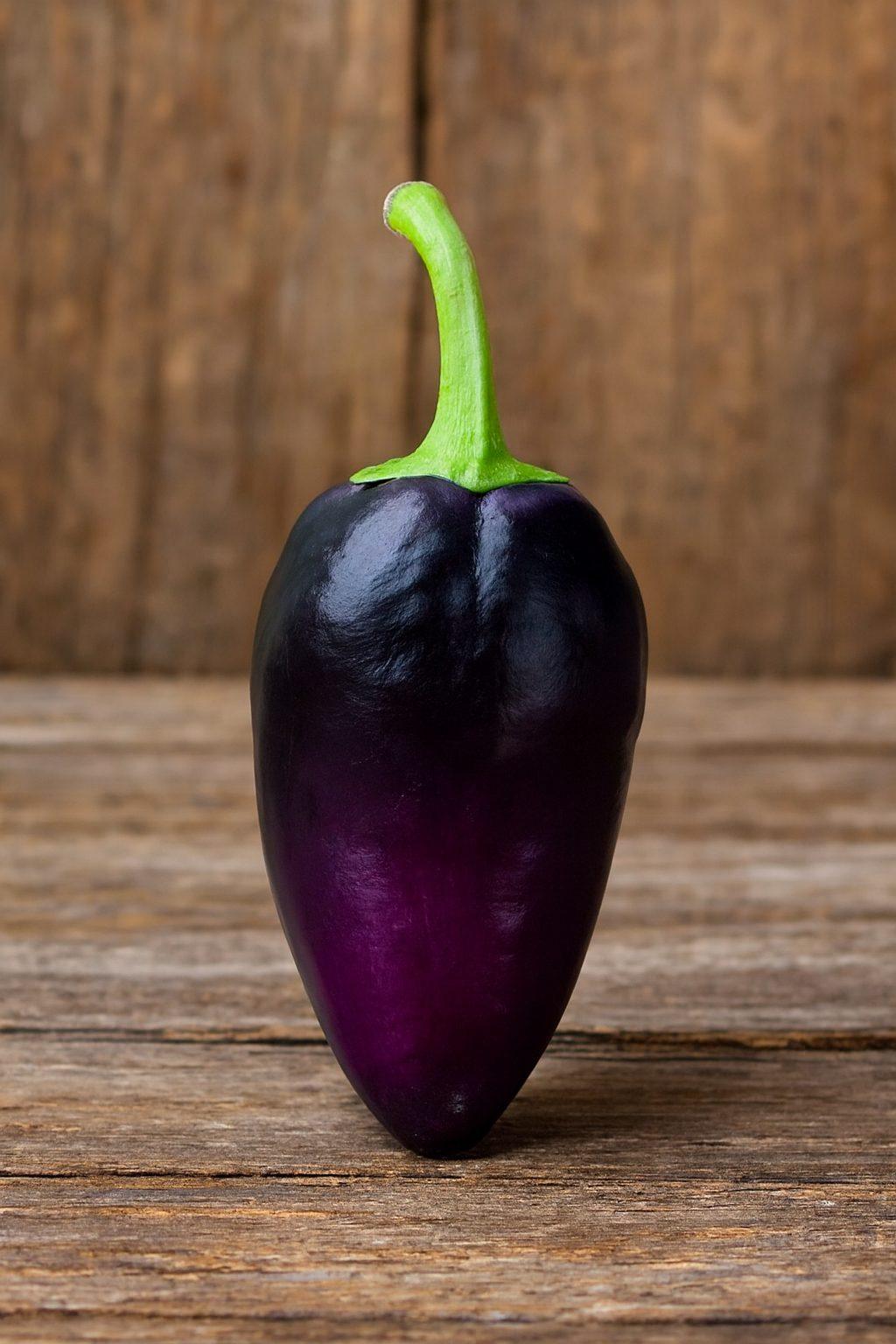
• Ripening sequence: deep purple → orange → red
• Crisp texture with juicy flesh
• Sweet, floral flavor with no heat
• High resistance to mosaic viruses
Stabilization Status:
Stable hybrid. Expresses consistently across climates. Minor variation in pod curvature and pigmentation may occur depending on soil and light exposure.
Heat Profile
Scoville Rating (SHU): 0 SHU
Perceived Heat: None
Heat Characteristics:
Gypsy Baroness contains no capsaicin, making it ideal for heat-sensitive consumers, children, and culinary applications where sweetness is preferred over spice.
Flavor Profile
Tasting Notes:
• Sweet and floral with notes of apple skin, nectarine, and green tea
• Slight acidity when immature; develops complex sweetness as it ripens
• Crisp and juicy texture with thin skin and thick walls
Aftertaste / Finish:
Clean, aromatic finish with lingering fruitiness
Ideal Pairings:
• Fresh salads and antipasto platters
• Cheese-stuffed appetizers
• Mirepoix and Cajun Holy Trinity bases
• Roasted vegetable medleys
• Pickled rings for sandwiches and wraps
Fruit Characteristics
Shape:
Slender, wedge-shaped pods with slight curvature
Size:
8–10 cm long; 2–3 cm wide
Color Stages:
• Immature: Deep purple
• Mid-stage: Orange blush
• Ripe: Vibrant red
Wall Thickness:
Medium to thick — ideal for stuffing and roasting
Texture & Skin:
Smooth, glossy surface with crisp, juicy flesh. Thin skin chars easily when grilled.
Plant Details
Growth Habit:
Compact and bushy
Plant Height & Width:
Height: 45–60 cm
Width: 40–60 cm
Foliage:
Bright green, ovate leaves with purple veining in early growth
Flower Color:
White with lavender streaks
Days to Maturity:
80–100 days from transplant
Yield:
High — typically 60–100 pods per plant under optimal conditions
Gypsy Baroness plants are ideal for container gardening, raised beds, and ornamental borders. Their compact form and vibrant fruiting make them suitable for urban gardens and edible landscaping.
Cultivation Information
Seed Count per Pack: 10 seeds
Germination Time: 7–14 days (Germinating Chilli Seeds)
Optimal Germination Temp: 24–30°C (Essential guide to ideal temperatures and humidity for chilli seed germination)
Light Requirements: Filtered sun (6–8 hrs/day)
Soil Preferences:
• pH: 6.0–7.0
• Rich, well-draining loam or compost mix (Easy DIY soil mixes)
• Benefits from calcium and potassium supplementation
Watering:
Maintain consistent moisture. Avoid waterlogging. Mulch recommended.
Fertilization:
Apply balanced NPK fertilizer every 2–3 weeks. Switch to phosphorus-rich feed during flowering and fruiting.
Support:
Staking optional; canopy remains upright
Pruning:
Pinch growing tips to encourage branching. Remove lower leaves to improve airflow.
Storage Tips:
Store seeds in a cool, dry place. Refrigeration at 4–8°C extends viability. Avoid humidity and light exposure.
Notable Compounds
Capsaicinoid Content:
None — capsaicin-free
Volatile Flavor Compounds:
Linalool, geraniol, and esters contribute to fruity aroma
Pigments:
Anthocyanins (purple), carotenoids (orange/red)
Nutritional Value:
High in vitamin C, antioxidants, and dietary fiber
Culinary & Cultural Use
Traditional Uses:
Used in Mediterranean, South African, and American cuisine for salads, stir-fries, and stuffing. Popular in vegetarian dishes, pickling, and sweet relishes.
Raw vs Cooked Flavor:
Raw: Crisp, floral, and sweet
Cooked: Intensified sweetness with caramelized depth
Regional Dishes:
• Stuffed Baroness with goat cheese and herbs
• Pickled rings for charcuterie boards
• Roasted halves in couscous or quinoa bowls
• Mirepoix base for soups and sauces
• Sweet pepper jam with lemon and thyme
Storage / Drying / Preserving Tips:
• Thick walls suitable for roasting and freezing
• Pickles well in vinegar or brine
• Can be dried for sweet flakes or powder
• Ideal for fruit-based sauces and jams



Reviews
There are no reviews yet.