
Description
Product Name: Guntur Sannam
Cultivar Name: Guntur Sannam S4 Type
Species: Capsicum annuum var. longum
Common Names: Guntur Sannam, Sannam S4, Andhra Red, Goat’s Horn Pepper
Type: Commercial Heirloom
Origin & Lineage
Geographic Origin:
Native to the Guntur district of Andhra Pradesh, India, with cultivation extending to Prakasam, Warangal, and Khammam. The name “Sannam” derives from Telugu, meaning “thin” or “long,” referencing the pod’s slender shape.
Cultural Significance:
Guntur Sannam is the flagship chilli of India’s spice trade, contributing to over 40% of India’s chilli exports. It is registered under the Geographical Indications (GI) Act of 1999, affirming its regional authenticity and global reputation.
Lineage / Breeder History
Parentage:
Indigenous selections of Capsicum annuum var. longum, stabilized through traditional farming and regional research stations
Hybridizer:
Not a hybrid; stabilized through open-pollinated selection. Supported by the Spices Board of India and LAM Research Station, Guntur
Selected Traits:
• Long, slender pods with thick red skin
• High capsaicin content (0.226%)
• ASTA color value ~32.11
• High vitamin C and protein content
• Excellent drying and powdering characteristics
Stabilization Status:
Stable. Commercially traded as S4 Type, with four recognized grades: S.S., S.G., S.F., and N.S.
Heat Profile
Scoville Rating (SHU): 35,000–40,000 SHU
Perceived Heat: Medium to Hot
Heat Characteristics:
Delivers a sharp, immediate burn with a lingering finish. Heat is concentrated in the placenta and inner walls. Comparable to Cayenne and Jwala in intensity, but with a more pungent and earthy profile.
Flavor Profile
Tasting Notes:
Pungent and earthy with subtle fruity undertones. When dried, it develops a smoky, sunburnt aroma with hints of tanginess and bitterness.
Aftertaste / Finish:
Dry, mineral-rich finish with a warm, lingering burn
Ideal Pairings:
• Curry powders and masalas
• Pickles and chutneys
• Fermented sauces and spice pastes
• Marinades for meats and vegetables
• Oleoresin extraction for food and cosmetic industries
Fruit Characteristics
Shape:
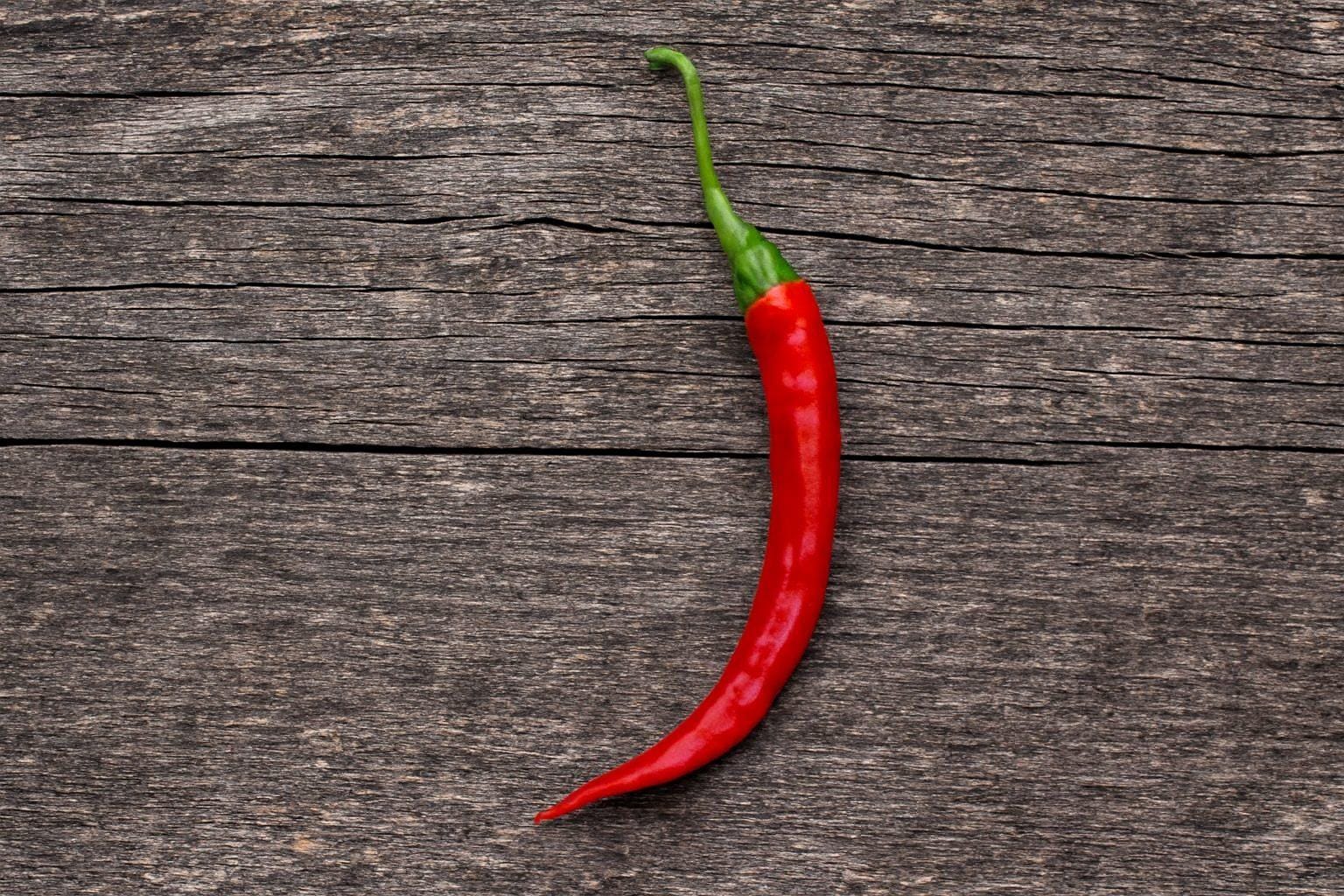
Slender, elongated pods resembling a goat’s horn
Size:
5–15 cm long; 0.5–1.5 cm wide
Color Stages:
• Immature: Green
• Ripe: Deep crimson red
Wall Thickness:
Thick — ideal for drying and grinding
Texture & Skin:
Glossy, smooth surface with firm flesh. Retains color and pungency post-drying.
Plant Details
Growth Habit:
Upright, bushy
Plant Height & Width:
Height: 60–90 cm
Width: 50–70 cm
Foliage:
Bright green, ovate leaves with moderate canopy density
Flower Color:
White with no spots
Days to Maturity:
120–150 days from transplant
Yield:
High — average annual production ~280,000 tonnes across India
Guntur Sannam plants are well-suited to field cultivation, container gardening, and commercial farming. Their robust structure and high yield make them ideal for scaled production.
Cultivation Information
Seed Count per Pack: 10 seeds
Germination Time: 10–14 days (Germinating Chilli Seeds)
Optimal Germination Temp: 26–30°C (Essential guide to ideal temperatures and humidity for chilli seed germination)
Light Requirements: Filtered sun
Soil Preferences:
• pH: 6.0–7.0
• Black soils for rain-fed crops (Easy DIY soil mixes)
• Sandy loam or deltaic soils for irrigated crops
• Requires moisture-retentive soil during early growth and dry conditions during maturation
Watering:
Moderate; avoid waterlogging. Mulch recommended for moisture retention.
Fertilization:
Balanced NPK every 2–3 weeks. Supplement with calcium and potassium during fruiting.
Support:
Not required; canopy remains compact
Pruning:
Pinch early growth tips to encourage branching. Remove lower leaves for airflow.
Storage Tips:
Store seeds in a cool, dry place. Refrigeration extends viability. Avoid humidity and light exposure.
Notable Compounds
Capsaicinoid Content:
High — capsaicin ~0.226%
Volatile Flavor Compounds:
Capsaicin, capsanthin, capsorubin, carotenoids
Pigments:
ASTA color value ~32.11 — deep red hue ideal for natural food coloring
Nutritional Value:
• Vitamin C: 185 mg/100 g
• Protein: 11.98 g/100 g
• Rich in antioxidants and iron
Culinary & Cultural Use
Traditional Uses:
Integral to Andhra cuisine, used in dishes like Guntur Kodi Vepudu (spicy chicken fry), Mamsam Pulusu (mutton curry), and Natu Kodi Kura (chicken curry with coconut and poppy seeds)
Raw vs Cooked Flavor:
Raw: Sharp, pungent, and earthy
Cooked: Smokier, deeper, and more aromatic
Regional Dishes:
• Andhra-style pickles and chutneys
• Guntur chilli powder for masalas
• Spicy lentil stews and vegetable curries
• Fermented chilli pastes for dosa and idli accompaniments
• Oleoresin extraction for sauces, cosmetics, and pharmaceuticals
Storage / Drying / Preserving Tips:
• Thick walls dry well for powder or flakes
• Pickles well in vinegar or oil
• Can be frozen whole or sliced
• Suitable for solar drying and mechanical dehydration


Reviews
There are no reviews yet.