
Description
Golden Nugget
Product Name: Golden Nugget
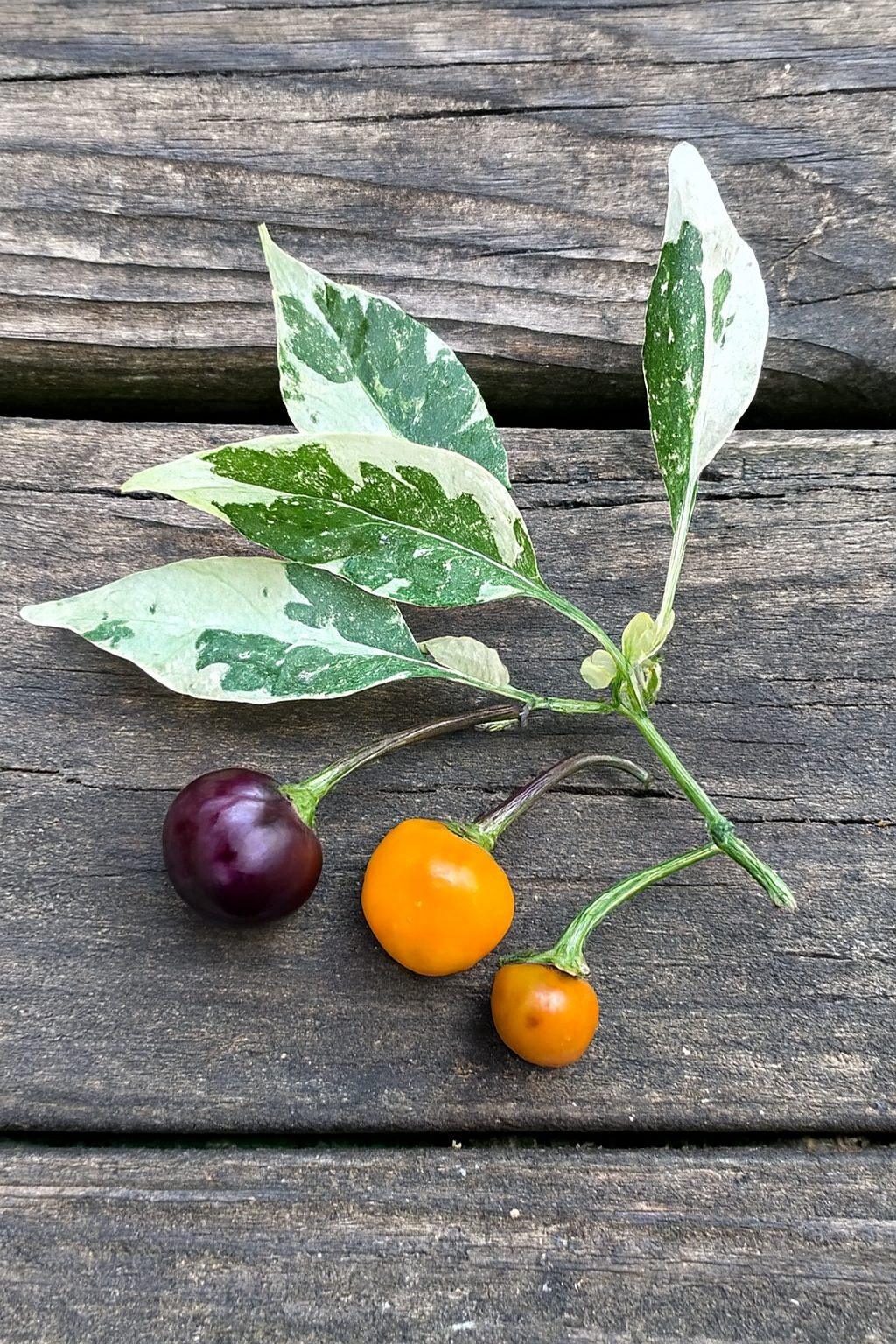
Golden Nugget is a visually captivating and flavor-rich Capsicum annuum cultivar that has earned its place among ornamental and culinary chilli varieties. Known for its petite, lantern-shaped pods and variegated foliage, this hybrid offers both aesthetic appeal and a nuanced flavor profile. Its fruits transition from deep purple to a radiant golden hue, making it a standout in edible gardens and gourmet kitchens alike. Though mild in heat, Golden Nugget peppers deliver a sweet, fruity complexity that enhances a wide range of dishes. Whether grown for its ornamental foliage or harvested for its culinary versatility, Golden Nugget is a cultivar that continues to impress growers and chefs across the globe.
- Cultivar Name: Golden Nugget
- Species: Capsicum annuum
- Common Names: Occasionally referred to as “Golden Lantern” or “Golden Pearl” in informal grower circles
- Type: Hybrid, Ornamental
Origin & Lineage
Geographic Origin:
Golden Nugget is believed to have originated in the United States, although its precise breeding location remains undocumented. It has since been propagated widely across Europe and South Africa. Its popularity has grown due to its ornamental foliage, compact growth habit, and striking fruit coloration.
Cultural Significance:
While Golden Nugget does not have deep folkloric roots or ritual use, it has become a symbol of modern ornamental chilli breeding. Its variegated foliage and golden fruit are often used in edible landscaping, balcony gardens, and container arrangements. In culinary contexts, it is appreciated for its mild heat and sweet flavor, making it suitable for raw applications, decorative plating, and fusion cuisine. The cultivar’s visual appeal has led to its inclusion in charcuterie boards, ceviche preparations, and artisanal salads.
Lineage / Hybridizer History:
The original breeder of Golden Nugget remains unknown, though it is widely accepted as a hybrid cultivar within the Capsicum annuum species. It is considered stable, with consistent phenotypic traits across generations. The variety is often described as a selection from ornamental breeding programs focused on variegated foliage and fruit coloration. Its lineage may include crosses with purple-fruited annuum types, though no formal parentage has been published.
Heat Profile
Scoville Rating (SHU): Approximately 30,000 to 50,000 SHU
Perceived Heat: Hot
Heat Characteristics:
Golden Nugget delivers a quick, upfront burn that is moderate and short-lived. The heat is concentrated in the placenta and inner walls but is softened by the fruit’s natural sweetness. When consumed raw, the burn is gentle and allows the fruity notes to shine. Cooking tends to mellow the heat further, making it suitable for delicate dishes that require a touch of spice without overwhelming the palate.
Flavor Profile
Tasting Notes:
Golden Nugget peppers offer a sweet, fruity flavor with subtle earthy undertones. Notes of apricot, citrus, and mild berry have been reported by growers and chefs. The flavor is clean and bright, making it ideal for raw consumption.
Aftertaste / Finish:
The finish is smooth and slightly floral, with a mild bitterness that emerges as the sweetness fades. When roasted or grilled, the sugars caramelize, adding depth and a hint of smokiness.
Ideal Pairings:
- Fresh salads with citrus vinaigrettes
- Tropical fruit salsas (e.g., mango, pineapple)
- Cream cheese or goat cheese stuffing
- Light stir-fries and ceviche
Fruit Characteristics
Shape: Petite, lantern-shaped pods with a rounded base and slight taper
Size: Approximately 3–4 cm long, 2–3 cm diameter
Color Stages: Immature: green/purple → Ripe: golden yellow with red streaks
Wall Thickness: Thin
Texture & Skin: Smooth with occasional striping or blistering; glossy finish
Plant Details
Growth Habit: Compact
Plant Height & Width: 40–60 cm tall, 30–50 cm wide
Foliage: Variegated with green, white, and occasional pink/purple tinges
Flower Color: White
Days to Maturity: 90–120 days from transplant
Yield: Moderate – estimated 30–50 pods per plant under optimal conditions
Cultivation Information
Seed Count per Pack: 5 or 10 seeds (Presoaking Chilli Seeds)
Germination Time: 7–14 days (Germinating Chilli Seeds)
Optimal Germination Temp: 25–30°C (Essential guide to ideal temperatures and humidity for chilli seed germination)
Light Requirements: Filtered sun
Soil Preferences:
- pH range: 6.2–6.8
- Well-draining soil with high organic content
- Amend with compost or aged manure for optimal nutrient availability (Easy DIY soil mixes)
Storage Tips:
Store seeds in airtight containers in a cool, dry environment. Refrigeration is recommended for long-term viability. Avoid exposure to moisture and direct sunlight.
Notable Compounds
Capsaicinoid Content:
Contains moderate levels of capsaicin and dihydrocapsaicin, contributing to its hot but manageable burn. These compounds are primarily located in the placenta and inner walls.
Volatile Flavor Compounds:
Though specific studies on Golden Nugget are limited, similar annuum cultivars contain limonene, vanillin, and esters that contribute to fruity and floral notes.
Anthocyanins / Pigments:
Purple coloration in immature fruit and foliage is attributed to anthocyanin expression. The variegated leaves may also contain flavonoid-based pigmentation.
Culinary & Cultural Use
Traditional Uses:
Golden Nugget is not tied to traditional culinary practices but has been embraced in modern fusion cuisine. Its mild heat and vibrant color make it ideal for decorative and flavor-enhancing roles.
Raw vs Cooked Flavor:
Raw pods offer crisp texture and bright sweetness. Cooking softens the skin and deepens the flavor, especially when roasted or grilled. Pickling preserves the color and adds tang.
Regional Dishes:
- Golden Nugget Mango Salsa
- Stuffed Golden Peppers with Cream Cheese
- Citrus Ceviche with Golden Nugget Garnish
- South African-style salad blends with fresh chilli slices
Storage / Drying / Preserving Tips:
- Air-dry whole pods in a shaded, ventilated space
- Use dehydrators at low temperatures to preserve flavor and color
- Ferment chopped pods with salt brine for 2–3 weeks
- Freeze whole pods for short-term storage without significant texture loss



Reviews
There are no reviews yet.