
Description
Product Name: Golden Cayenne Pepper Seeds
Cultivar Name: Golden Cayenne
Species: Capsicum annuum
Common Names: Golden Cayenne
Type: Heirloom-derived
Origin & Lineage
Geographic Origin: The Golden Cayenne was developed in the United States as a vibrant color variant of the traditional red cayenne (Capsicum annuum), which itself has deep ancestral roots in Central and South America, particularly Mexico, Peru, and French Guiana. The name “cayenne” originates from the city of Cayenne in French Guiana, a historic spice-trading hub that helped popularize the pepper across Europe and Asia during the Age of Exploration.
While red cayenne peppers have been cultivated for thousands of years by indigenous peoples of the Americas, the golden variant is a modern selection, bred in the U.S. for its:
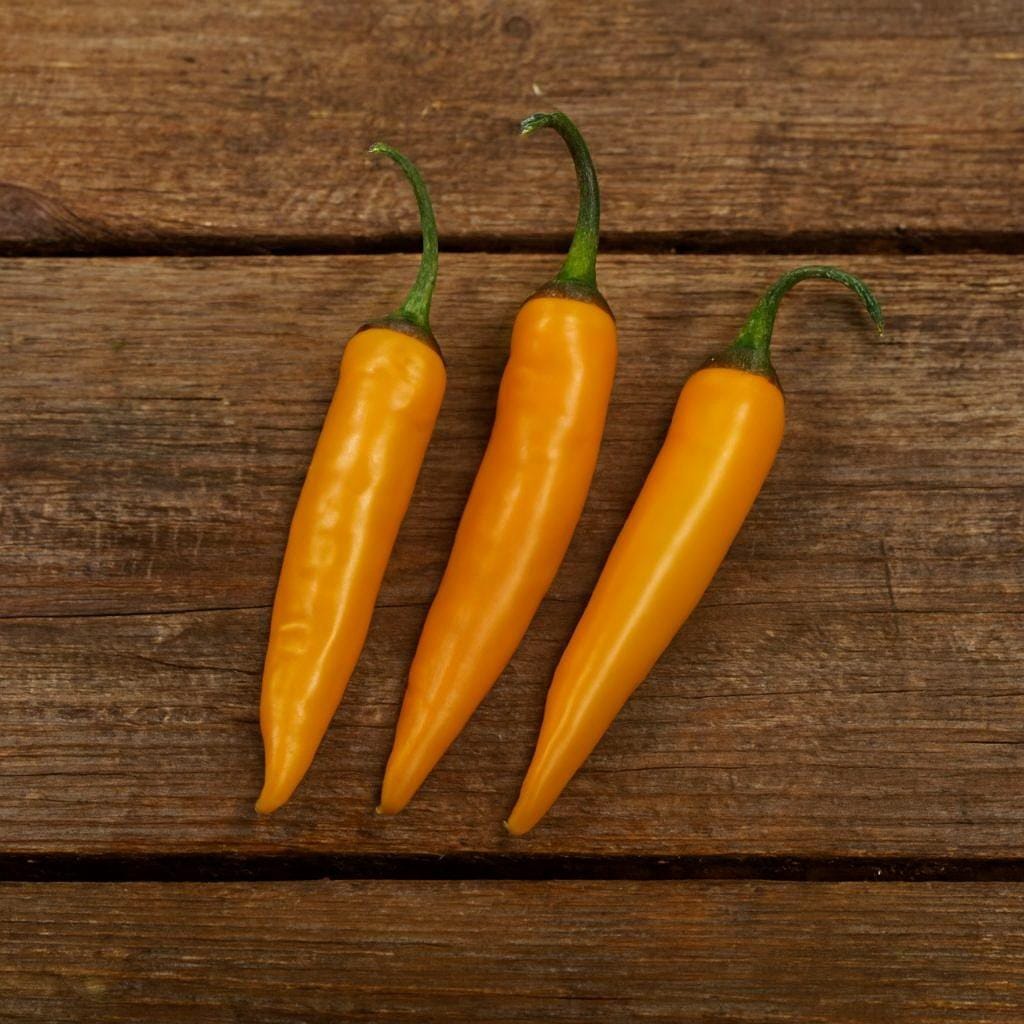
- Ornamental brightness: striking golden-yellow pods that ripen from green
- Smoother skin: waxy, glossy texture ideal for drying and powdering
- Larger size: often up to 18 cm long, with a slender, tapered shape
Golden Cayenne thrives in warm, temperate climates, making it well-suited to southern U.S. states like Texas and California, where cayenne cultivation has expanded in recent decades. It’s now a staple in home gardens, farmers markets, and specialty seed catalogs, often grown for both culinary and ornamental purposes.
Cultural Significance: Cayenne peppers have long been central to Creole, Cajun, and Southern U.S. cooking, where they’re used to add heat and depth to dishes like gumbo, jambalaya, and blackened meats. The Golden Cayenne builds on this legacy by offering:
- A slightly sweeter, tangier flavor than its red counterpart
- A visual pop that elevates garden beds, edible landscapes, and gourmet plating
- A moderate heat level of 30,000–50,000 Scoville Heat Units—hot enough for spice lovers, but approachable for most palates
Its golden hue carries symbolic weight, often associated with:
- Warmth and abundance—ideal for summer harvests and festive dishes
- Creativity and flair—used by chefs to add color contrast in salsas, sauces, and marinades
- Accessibility—its manageable heat and cheerful appearance make it a favorite among beginner growers and culinary experimenters
Golden Cayenne is also popular in wellness circles, where cayenne peppers are used in detox drinks, metabolism-boosting tonics, and anti-inflammatory remedies. Though not tied to traditional folklore, its presence in gardens and kitchens reflects a modern appreciation for beauty, flavor, and health.
Lineage / Hybridizer History: The Golden Cayenne is a stabilized selection from red cayenne lines, bred through generational refinement for:
- Color uniformity—a consistent golden-yellow ripening stage
- Smooth, waxy skin—ideal for drying and powdering
- High productivity—up to 60 fruits per plant in peak season
While the original breeder is not publicly credited, the cultivar likely emerged from U.S.-based ornamental pepper breeding programs, which focus on combining visual appeal with culinary utility. It belongs to the species Capsicum annuum, known for its versatility, adaptability, and wide range of fruit shapes and colors.
Heat Profile
Scoville Rating (SHU): 30,000–50,000 SHU
Perceived Heat: Medium to Hot
Heat Characteristics: Clean and direct. The burn is sharp but manageable, concentrated on the tongue and lips. It intensifies as the fruit matures, making late-harvest pods noticeably hotter.
Flavor Profile
Tasting Notes: Peppery, slightly sweet, and tangy. The flavor is brighter than red cayenne, with subtle citrus notes and a crisp finish.
Aftertaste / Finish: Mild bitterness with lingering warmth. The finish is clean and slightly smoky when roasted.
Ideal Pairings:
- Creole and Cajun dishes
- Salsas and hot sauces
- Pickled with garlic and herbs
- Dried and powdered for golden spice blends
- Infused oils and vinegars
Fruit Characteristics
Shape: Long, slender, and slightly twisted with a tapered tip
Size: 10–15 cm long, 1.5–2 cm diameter
Color Stages:
- Immature: Pale green
- Ripe: Bright golden yellow
- Overripe: May deepen to orange-gold
Wall Thickness: Thin to medium
Texture & Skin: Smooth and glossy; fewer wrinkles than red cayenne
Plant Details
Growth Habit: Upright and bushy
Plant Height & Width:
Height: 60–90 cm
Width: 50–70 cm
Foliage: Bright green, smooth leaves
Flower Color: White
Days to Maturity: 75–90 days from transplant
Yield: High – typically 50–80 pods per plant under optimal conditions
Cultivation Information
Seed Count per Pack: 5 to 10 seeds
Germination Time: 7–14 days (Germinating Chilli Seeds)
Optimal Germination Temp: 25–30°C (Essential guide to ideal temperatures and humidity for chilli seed germination)
Light Requirements: Filtered sun
Soil Preferences:
- pH: 6.0–6.8
- Well-draining, fertile soil (Easy DIY soil mixes)
- Benefits from compost and moderate feeding
Storage Tips: Store seeds in a cool, dry place. Refrigeration at 4–8°C extends viability. Avoid moisture and direct light.
Notable Compounds
Capsaicinoid Content: Moderate capsaicin and dihydrocapsaicin; heat concentrated in seeds and placenta
Volatile Flavor Compounds: Limonene, hexanal, and trace esters contribute to the citrus aroma
Anthocyanins / Pigments: Low anthocyanin expression; golden coloration driven by carotenoids like beta-carotene and capsanthin
Culinary & Cultural Use
Traditional Uses:
- Southern-style stews and sauces
- Pickled whole or sliced
- Dried and ground into golden cayenne powder
- Infused oils and spice blends
Raw vs Cooked Flavor: Raw pods are crisp and tangy. Cooking enhances sweetness and softens bitterness. Roasting adds depth and smokiness.
Regional Dishes:
- Cajun gumbo and jambalaya
- Caribbean pepper sauces
- Southern pickled vegetables
- Mexican-style golden salsa
Storage / Drying / Preserving Tips:
- Excellent for air-drying or dehydrating
- Can be fermented into sauces
- Powdered form retains color and heat for seasoning blends



Reviews
There are no reviews yet.