

Description
Product Name: Fresno Pepper Seeds
Cultivar Name: Fresno Pepper
Species: Capsicum annuum
Common Names: Fresno Chili, Red Fresno, Fresno Pepper
Type: heirloom
Origin & Lineage
Geographic Origin:
The Fresno pepper was first cultivated in 1952 by Clarence Brown Hamlin in Fresno County, California. It was developed as a regional alternative to the jalapeño, with a slightly fruitier flavor and thinner walls. Although it shares similarities with other New Mexico chile cultivars, Fresno chilli is genetically distinct and has become a staple in American gardens and kitchens. Its popularity has spread across the United States, particularly in the Southwest, where it thrives in warm, dry climates.
Cultural Significance:
The Fresno Peppers have become emblematic of California’s agricultural innovation. While not tied to ritual use, they are deeply embedded in the culinary traditions of Mexican-American and Southwestern cuisine. Their vibrant red color and balanced heat have made them a favorite in salsas, ceviche, and pickled condiments. Over time, they have also gained traction in gourmet kitchens, where chefs value their smoky undertones and versatility. Though not considered sacred, the Fresno pepper is often celebrated in local food festivals and chili cook-offs.
Lineage / Hybridizer History:
Clarence Brown Hamlin, a seed merchant and breeder, introduced the Fresno pepper as a cultivar of Capsicum annuum. It was bred to resemble the jalapeño in size and shape but with a more complex flavor profile. The Fresno is not a hybrid; it is a stabilized heirloom variety. Its lineage traces back to early New Mexico chile types, refined through selective breeding for color, flavor, and adaptability to California’s climate. No known parentage from other species has been documented, and the cultivar has remained genetically consistent across generations.
Heat Profile
Scoville Rating (SHU):
2,500–10,000 SHU
Perceived Heat:
Medium (1,000 to 15,000 SHU)
Heat Characteristics:
The Fresno pepper deliver a clean, moderate heat that builds gradually. When green, the heat is milder and grassy; as the pepper ripens to red, the heat intensifies and becomes more rounded. The capsaicin is concentrated in the placenta and inner walls, making the pepper suitable for both fresh and cooked applications. Unlike superhot varieties, Fresno’s heat does not overwhelm the palate, allowing its fruity and smoky notes to remain prominent.
Flavor Profile
Tasting Notes:
Sweet, fruity, and slightly smoky. Green Fresnos have a bright, grassy flavor similar to jalapeños, while red Fresnos develop deeper fruit notes with a hint of earthiness.
Aftertaste / Finish:
A mild lingering warmth with a clean finish. Roasting enhances the smoky undertones, while pickling brings out tangy and sweet elements.
Ideal Pairings:
- Fresh salsas and ceviche
- Pickled chili rings for sandwiches and burgers
- Roasted vegetable medleys
- Stir-fries and noodle dishes
- Hot sauces and chili oils
Pod Review: https://www.youtube.com/watch?v=jRFFCNv16lg
Fruit Characteristics
Shape:
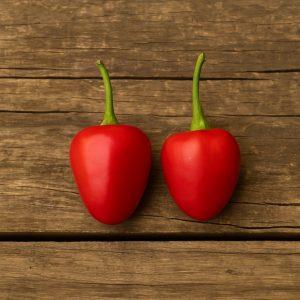
Conical, slightly curved with a pointed tip
Size:
Approximately 5–7 cm long, 2–2.5 cm diameter
Color Stages:
Immature: green → Ripe: bright red
Wall Thickness:
Thin
Texture & Skin:
Smooth, glossy, slightly firm.
Plant Details
Growth Habit:
Bushy
Plant Height & Width:
Height: 60–75 cm
Width: 45–60 cm
Foliage:
Dark green, non-pubescent
Flower Color:
White
Days to Maturity:
70–80 days from germination
Yield:
Moderate – typically 20–40 pods per plant under optimal conditions.
Cultivation Information
Seed Count per Pack:
5 or 10 seeds (Presoaking Chilli Seeds)
Germination Time:
7–14 days (Germinating Chilli Seeds)
Optimal Germination Temp:
25–30°C (Essential guide to ideal temperatures and humidity for chilli seed germination)
Light Requirements:
Filtered sun
Soil Preferences:
Well-drained loamy soil with pH between 6.2–6.8, enriched with compost or aged manure (Easy DIY soil mixes)
Storage Tips:
Store Fresno pepper seeds in airtight containers in a cool, dry place. Refrigeration at 4–10°C can extend viability up to 3 years. Avoid exposure to humidity and light.
Notable Compounds
Capsaicinoid Content:
Primarily capsaicin and dihydrocapsaicin, contributing to its moderate heat and metabolic effects
Volatile Flavor Compounds:
Anthocyanins / Pigments:
No purple pigmentation; red coloration due to carotenoids such as capsanthin and capsorubin.
Culinary & Cultural Use
Traditional Uses:
- Salsas and relishes
- Pickled chili rings
- Hot sauces and chili oils
- Ceviche and seafood garnishes
- Roasted pepper dips
Raw vs Cooked Flavor:
Raw: crisp, grassy, and mildly hot
Roasted: smoky, sweet, and mellow
Pickled: tangy with softened texture
Fermented: complex, umami-rich with earthy depth
Regional Dishes:
- Fresno chili ceviche
- Spicy corn salsa with chilli rings
- Huevos rancheros with chili sauce
- Chili lime chicken marinade
- Fresno chili oil for pasta and pizza
Storage / Drying / Preserving Tips:
- Dry whole pods at 50°C for 6–8 hours; ideal for powder or flakes
- Ferment with garlic, salt, and vinegar for 10–14 days
- Pickle in vinegar brine with coriander and peppercorns
- Freeze whole pods in airtight bags for up to 6 months
- Store dried pods in vacuum-sealed containers to preserve flavor and potency


Reviews
There are no reviews yet.