
Description
Dulce Naranja
Product Name: Dulce Naranja
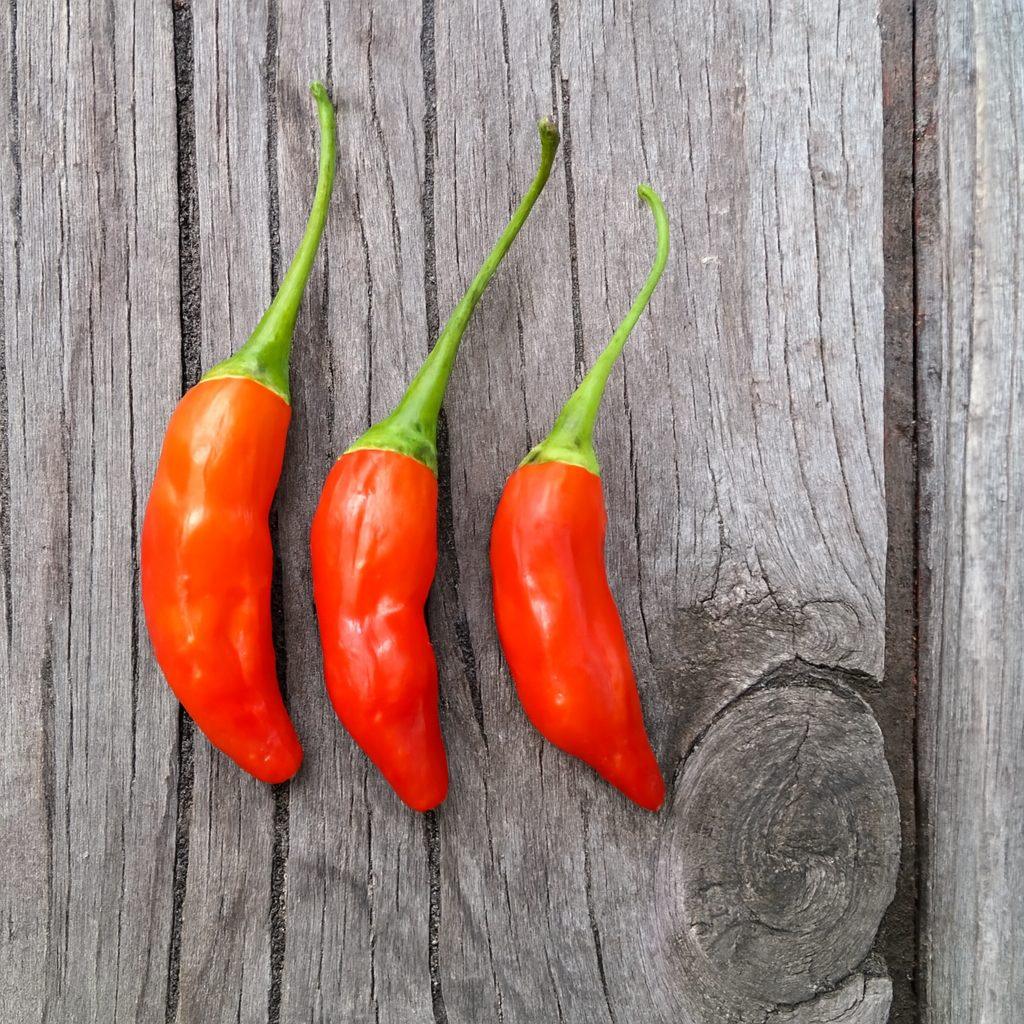
Dulce Naranja is a visually striking and flavor-forward Capsicum baccatum cultivar developed by South African Hybridizer Tony Lague. This F6 hybrid combines the upright vigor of the Ethiopian Tree Pepper with the citrus brightness of Aji Lemon, resulting in a semi-stable variety that continues to gain recognition among growers and culinary enthusiasts. Its name, meaning “Sweet Orange” in Spanish, reflects both its ripe coloration and its mild, aromatic profile. Dulce Naranja is suitable for ornamental planting, culinary use, and breeding programs focused on low-heat, high-flavor cultivars. With its bushy growth habit, prolific fruiting, and vibrant pods, this variety offers both aesthetic and practical value to growers seeking something unique yet reliable.
Cultivar Name: Dulce Naranja F6
Species: Capsicum baccatum
Common Names: None formally documented
Type: Hybrid
Origin & Lineage
Geographic Origin:
Dulce Naranja was bred in South Africa, a region increasingly recognized for its contributions to modern chilli cultivar development. The parent lines—Ethiopian Tree Pepper and Aji Lemon—originate from East Africa and Peru respectively, both belonging to the Capsicum baccatum species. The Ethiopian Tree Pepper is known for its tall, tree-like structure and resilience, while Aji Lemon is celebrated for its citrus aroma and bright yellow pods. By crossing these two, Tony Lague created a cultivar that merges ornamental elegance with culinary versatility.
Cultural Significance:
Although Dulce Naranja is a contemporary cultivar, it reflects broader cultural trends in South African horticulture and cuisine. The increasing popularity of low-heat, aromatic chillies has led to a demand for varieties that can be used fresh, pickled, or fermented without overwhelming the palate. Dulce Naranja fits this niche perfectly. While it does not yet hold traditional culinary status, it is being adopted into fusion dishes and artisanal hot sauces. Its ornamental appeal also makes it a popular choice for edible landscaping and container gardening.
Lineage / Hybridizer History:
Tony Lague, is the original breeder of Dulce Naranja. His work focuses on creating cultivars that balance flavor, yield, and visual appeal. The cross between Ethiopian Tree Pepper and Aji Lemon was selected for complementary traits: upright growth, high productivity, and citrus-forward flavor. Dulce Naranja is currently in its F6 generation, indicating semi-stability. While most plants exhibit consistent traits, minor variations may still occur, offering opportunities for further refinement or selection.
Heat Profile
Scoville Rating (SHU): Estimated between 100–500 SHU
Perceived Heat: Mild
Heat Characteristics:
Dulce Naranja delivers a gentle warmth that enhances flavor without dominating the dish. The heat is brief and front-loaded, fading quickly to reveal sweet and citrus notes. This makes it ideal for layering in multi-chilli blends or for use in dishes where heat must remain subtle. Its low SHU rating allows it to be enjoyed raw or cooked by individuals with sensitive palates.
Flavor Profile
Tasting Notes:
Bright and sweet with dominant citrus tones. The flavor is reminiscent of orange zest, with subtle floral and melon-like undertones. Unlike many baccatum varieties, Dulce Naranja avoids grassy or bitter notes, offering a clean and refreshing taste.
Aftertaste / Finish:
The finish is smooth and slightly tangy, with no lingering bitterness. A faint citrus echo remains on the palate, making it suitable for fresh applications and light sauces.
Ideal Pairings:
- Fresh salsas and fruit-based hot sauces
- Pickled relishes and infused vinegars
- White meats, seafood, and tropical fruits
- Fermented chilli pastes with low acidity
Fruit Characteristics
Shape: Elongated teardrop with slight curvature
Size: Approximately 5–6 cm long, 2 cm diameter
Color Stages: Immature: green → Ripe: deep orange
Wall Thickness: Medium
Texture & Skin: Smooth with occasional gentle wrinkling
Plant Details
Growth Habit: Bushy
Plant Height & Width: 60–90 cm tall, 40–60 cm wide
Foliage: Dark green, slightly pubescent
Flower Color: White with greenish-yellow corolla, typical of Capsicum baccatum
Days to Maturity: 120–150 days from germination
Yield: High – often exceeding 100 pods per plant under optimal conditions
Cultivation Information
Seed Count per Pack: 10 seeds (Presoaking Chilli Seeds)
Germination Time: 7–14 days (Germinating Chilli Seeds)
Optimal Germination Temp: 25–30°C (Essential guide to ideal temperatures and humidity for chilli seed germination)
Light Requirements: Filtered sun
Soil Preferences: Well-draining loam with pH 6.5–7.5, rich in organic matter (Easy DIY soil mixes)
Storage Tips: Store seeds in airtight containers in a cool, dry place. Refrigeration is recommended for long-term viability.
Notable Compounds
Capsaicinoid Content:
Contains trace amounts of capsaicin and dihydrocapsaicin, contributing to its mild heat. These compounds are present in low concentrations, making the pepper suitable for sensitive consumers.
Volatile Flavor Compounds:
Limonene is the dominant volatile compound, responsible for the citrus aroma. Beta-ionone may also be present, contributing floral and fruity notes. These compounds are retained well during low-heat cooking and fermentation.
Anthocyanins / Pigments:
No documented purple pigmentation. The orange coloration is primarily due to carotenoids such as beta-carotene and capsanthin. These pigments are stable during drying and fermentation, preserving visual appeal.
Culinary & Cultural Use
Traditional Uses:
While Dulce Naranja is not part of any documented traditional cuisine, it is increasingly used in modern South African fusion dishes. Its low heat and bright flavor make it suitable for ají-style sauces, mild salsas, and fermented relishes.
Raw vs Cooked Flavor:
Raw pods are crisp and sweet, with a pronounced citrus aroma. Cooking enhances the fruitiness and softens the texture. Roasting brings out deeper caramel notes, while pickling preserves the brightness.
Regional Dishes:
- Citrus-forward hot sauces
- Mild ají-style relishes
- Pickled chilli medleys
- Fermented chilli pastes with tropical fruit bases
Storage / Drying / Preserving Tips:
Dulce Naranja dries well using low heat dehydration, which preserves both color and aroma. For fermentation, pods should be sliced and submerged in brine with a pH below 4.6. Vinegar infusions are also effective, especially when paired with citrus zest or herbs.


Reviews
There are no reviews yet.