

Description
Product Name: Dragons Breath Chilli Seeds
Species: Capsicum chinense
Common Names: Dragons Breath, DB Pepper
Type: Hybrid (Sub-Cultivar)
Origin & Lineage
Geographic Origin: The Dragons Breath pepper was developed in the United Kingdom, specifically in Denbighshire, Wales, through a collaboration between chili grower Neal Price, NPK Technology, and Nottingham Trent University. The project initially aimed to test a specialized plant nutrient and explore the potential of capsaicin-rich peppers as a topical anesthetic for patients allergic to conventional options.
Dragons Breath was later refined and cultivated by Mike Smith, a horticulturist from St Asaph, Wales, who entered the plant into the 2017 Chelsea Flower Show, where it was shortlisted for “Plant of the Year.” Though it didn’t win, the pepper gained international attention for its extreme heat and striking appearance.
Cultural Significance: Named after the Welsh dragon, the Dragon’s Breath pepper quickly became a symbol of national pride and botanical curiosity. Its notoriety stems from its unofficial Scoville rating of 2.48 million SHU, which—if verified—would place it among the hottest peppers ever recorded, rivaling the Carolina Reaper and Pepper X.
Beyond its heat, the pepper sparked global headlines due to its potential medical applications. Researchers at Nottingham Trent University explored its use as a natural anesthetic, leveraging its high capsaicin content to numb skin without synthetic chemicals. This made it especially relevant for patients with allergies to standard anesthetics or in regions with limited access to pharmaceuticals.
Despite sensational media claims that it could “kill you,” experts clarified that such warnings were exaggerated and only applicable to individuals with severe allergies. The pepper’s extreme pungency, however, makes it unsuitable for general culinary use.
Lineage / Hybridizer History: Dragons Breath is believed to be a sub-cultivar of the 7 Pot Infinity, itself a member of the Capsicum chinense species. It was selectively bred for maximum capsaicin concentration, not culinary appeal. Mike Smith originally intended to grow an ornamental plant for the Chelsea Flower Show, but the resulting fruit turned out to be one of the hottest ever measured.
The pepper’s lineage reflects the broader trend in superhot breeding—where growers cross extreme cultivars like 7 Pot, Naga, and Habanero variants to push the boundaries of heat. While Dragons Breath is not a commercial hybrid in the traditional sense, its development was guided by scientific experimentation and aesthetic goals, rather than mass-market farming.
Heat Profile
Scoville Rating (SHU):
Up to 2,480,000 SHU (unofficial)
Perceived Heat: Superhot to Hyperhot
Heat Characteristics: Military-grade intensity. The burn is immediate, aggressive, and long-lasting. Even a small slice can overwhelm most palates. Handle with gloves and avoid inhalation near cut pods.
Flavor Profile
Tasting Notes: Surprisingly sweet and fruity beneath the heat. Notes of berry and floral esters may be detectable in microdoses.
Aftertaste / Finish: Lingering burn with a faint sweetness. Finish is dominated by capsaicin intensity.
Ideal Pairings:
- Extreme hot sauces (use sparingly)
- Infused oils for controlled heat
- Fermented blends with tropical fruit
- Culinary challenges and novelty dishes
Fruit Characteristics
Shape: Small, wrinkled pods with occasional stinger tips
Size:
1.5–2 cm long
Color Stages:
- Immature: Green
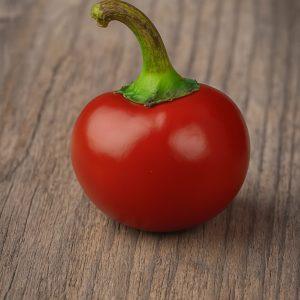
- Ripe: Deep red
Wall Thickness: Thin
Texture & Skin: Pock-marked, blistered surface; dries well for powder
Plant Details
Growth Habit: Compact and bushy
Plant Height & Width:
Height: 60–90 cm
Width: 50–70 cm
Foliage: Dark green, slightly glossy leaves
Flower Color: White
Days to Maturity: 100–130 days from transplant
Yield: Moderate – 30–50 pods per plant under optimal conditions
Cultivation Information
Seed Count per Pack: 5 or 10 seeds
Germination Time: 14–21 days (Germinating Chilli Seeds)
Optimal Germination Temp: 26–32°C (Essential guide to ideal temperatures and humidity for chilli seed germination)
Light Requirements: Filtered sun
Soil Preferences:
- pH: 6.2–6.8
- Rich, well-draining soil with added compost
- Avoid overwatering; prefers slightly dry conditions (Easy DIY soil mixes)
Storage Tips:
Store Dragons Breath seeds in a cool, dry place. Refrigeration at 4–8°C extends shelf life. Keep away from humidity.
Notable Compounds
Capsaicinoid Content: Extremely high capsaicin concentration; potential anesthetic properties under topical application
Volatile Flavor Compounds: Trace esters and terpenes contribute to fruity aroma
Pigments: High carotenoid content; deep red coloration at maturity
Culinary & Cultural Use
Traditional Uses: Not traditionally consumed due to extreme heat. Primarily used in hot sauce production and novelty challenges.
Raw vs Cooked Flavor: Raw Dragons Breath pods are dangerously hot. Cooking slightly mellows the burn but retains intensity. Best used in microdoses.
Regional Dishes:
- UK-based hot sauce experiments
- Fermented blends for collectors
- Extreme chili-eating contests
Storage / Drying / Preserving Tips:
- Dry whole pods for powder
- Ferment with fruit to balance heat
- Store powders in airtight containers away from light


Reviews
There are no reviews yet.