

Description
Product Name: Devils Tongue White
Cultivar Name: Devils Tongue White
Species: Capsicum chinense
Common Names: White Devil’s Tongue, Devils Tongue Ivory
Type: Heirloom
Origin & Lineage
Geographic Origin:
The original Devil’s Tongue cultivar was discovered in Pennsylvania, USA, in the 1990s by an Amish farmer, likely as a spontaneous mutation in a habanero patch. The Devils Tongue White is a stabilized color mutation of the original yellow-orange Devil’s Tongue, selected for its creamy ivory pods, compact growth, and distinct citrus-nut flavor.
Cultural Significance:
Though not widely commercialized, Devils Tongue White is prized by hot pepper collectors, sauce makers, and heirloom growers for its rare coloration, intense heat, and fruit-forward flavor. It is often featured in extreme-heat salsas, artisan hot sauces, and culinary showcases.
Historical Notes:
The Devils Tongue White name reflects its twisted, tongue-like pod shape and devilish heat. It is considered a mutation of the original Devil’s Tongue, which itself is a close relative of the Fatalii and Red Savina habanero.
Lineage / Breeder History
Parentage:
Spontaneous mutation of Devil’s Tongue Yellow (Capsicum chinense)
Hybridizer:
Unknown; stabilized by independent growers and seed banks
Selected Traits:
• Curved, pendant pods with semi-wrinkled skin
• Ripening sequence: green → lime → ivory white
• Fruity, citrus-forward flavor with nutty undertones
• High heat with smooth burn profile
• Compact plant with curly foliage
Stabilization Status:
Stable heirloom. Expresses consistently across generations. Minor variation in pod curvature and color intensity may occur.
Heat Profile
Scoville Rating (SHU): 125,000–325,000 SHU
Perceived Heat: Very hot
Heat Characteristics:
Sharp, immediate burn with a clean citrus edge. Comparable to Fatalii and Red Savina. Heat builds quickly and lingers in the throat and lips.
Flavor Profile
Tasting Notes:
• Bright citrus with hints of lime, lemon zest, and green melon
• Nutty finish with subtle floral notes
• Slight bitterness when raw; develops sweet complexity when roasted
Aftertaste / Finish:
Dry, mineral-rich finish with lingering heat and citrus tang
Ideal Pairings:
• Fermented white hot sauces
• Cream-based dips and aiolis
• Pickled rings for charcuterie
• Citrus-forward salsas
• Roasted pepper mash for seafood marinades
Fruit Characteristics
Shape:
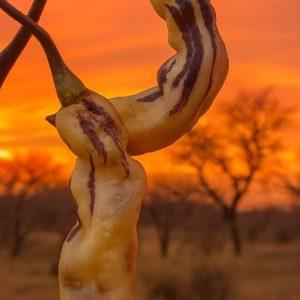
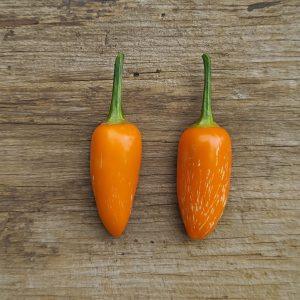
Curved, pendant pods with tapered tips; tongue-like silhouette
Size:
5–7 cm long; 1.5–2 cm wide
Color Stages:
• Immature: Pale green
• Mid-stage: Lime with purple blush
• Ripe: Creamy ivory white
Wall Thickness:
Medium
Texture & Skin:
Semi-wrinkled, smooth skin with glossy finish. Flesh is crisp and juicy.
Plant Details
Growth Habit:
Compact and bushy
Plant Height & Width:
Height: 45–60 cm
Width: 70–90 cm
Foliage:
Curly, dark green leaves with slight puckering
Flower Color:
White corolla with greenish-yellow spots (typical of C. chinense)
Days to Maturity:
90–120 days from transplant
Yield:
Moderate to high — typically 60–100 pods per plant under optimal conditions
Devils Tongue White is ideal for container gardening, raised beds, and ornamental borders. Its pale pods contrast beautifully with dark foliage.
Cultivation Information
Seed Count per Pack: 10 seeds
Germination Time: 7–21 days (Germinating Chilli Seeds)
Optimal Germination Temp: 27–31°C (Essential guide to ideal temperatures and humidity for chilli seed germination)
Light Requirements: Filtered sun
Soil Preferences:
• pH: 6.0–6.8
• Rich, well-draining loam or compost mix (Easy DIY soil mixes)
• Benefits from calcium and potassium supplementation
Watering:
Maintain consistent moisture. Avoid waterlogging. Mulch recommended.
Fertilization:
Apply balanced NPK fertilizer every 2–3 weeks. Supplement with magnesium and calcium during fruiting.
Support:
Staking optional; canopy remains compact
Pruning:
Pinch growing tips to encourage branching. Remove lower leaves to improve airflow.
Storage Tips:
Store Devils Tongue White seeds in a cool, dry place. Refrigeration at 4–8°C extends viability. Avoid humidity and light exposure.
Notable Compounds
Capsaicinoid Content:
High — primarily capsaicin and dihydrocapsaicin
Volatile Flavor Compounds:
Limonene, esters, and pyrazines contribute to citrus and nutty aroma
Pigments:
Low carotenoid expression; ivory coloration due to reduced capsanthin
Nutritional Value:
High in vitamin C, antioxidants, and dietary fiber
Culinary & Cultural Use
Traditional Uses:
Used in extreme-heat sauces, white chili relishes, and artisan pickles. Often featured in culinary competitions and collector showcases.
Raw vs Cooked Flavor:
Raw: Bright, bitter, and intensely spicy
Cooked: Sweet, mellow, and aromatic
Regional Dishes:
• White hot sauce with garlic and citrus
• Pickled ivory rings for gourmet sandwiches
• Roasted mash for seafood rubs
• Creamy aioli with Devil’s Tongue infusion
• Fermented paste for tropical-style condiments
Storage / Drying / Preserving Tips:
• Medium walls dry well for powder or flakes
• Pickles well in vinegar or brine
• Can be frozen whole or sliced
• Suitable for oil infusions and fermented sauces


Reviews
There are no reviews yet.