

Description
Product Name: Colombian Yellow
Cultivar Name: Colombian Yellow
Species: Capsicum baccatum
Common Names: Colombian Ají Amarillo, Colombian Yellow Baccatum, Ají Amarillo Colombiano
Type: Heirloom
Origin & Lineage
Geographic Origin:
The Colombian Yellow Pepper is a regional Capsicum baccatum var. pendulum cultivar native to Colombia’s Andean foothills and intermontane valleys, particularly in Boyacá, Cundinamarca, and Santander. It shares ancestry with Peruvian ají amarillo, but expresses distinct Colombian traits in pod shape, flavor, and heat.
Cultural Significance:
Used extensively in Colombian criollo cuisine, this pepper is a foundational ingredient in ají picante, sancocho, and hogao. Its bright yellow color and fruity heat are emblematic of Colombian street food and rural cooking traditions. It is often grown in home gardens, smallholder farms, and urban rooftop plots, passed down through generational seed saving.
Historical Notes:
Domesticated from wild C. baccatum var. baccatum populations over 4,000 years ago, the Colombian Yellow represents a localized selection adapted to humid montane climates. It is part of the broader ají amarillo complex, but with Colombian-specific morphology and culinary use. Its preservation is largely informal, maintained by regional growers and seed exchanges.
Lineage / Breeder History
Parentage:
Wild Capsicum baccatum var. baccatum × regional landrace selections
Hybridizer:
None; stabilized through traditional seed saving
Selected Traits:
• Elongated pendant pods with smooth skin
• Ripening sequence: pale green → golden yellow
• Fruity, citrus-forward flavor with medium heat
• Thin walls ideal for drying and powdering
• High productivity and disease tolerance
Stabilization Status:
Stable heirloom. Expresses consistently across generations. Minor variation in pod curvature and wall thickness may occur depending on altitude and soil.
Heat Profile
Scoville Rating (SHU): 15,000–30,000 SHU
Perceived Heat: Medium
Heat Characteristics:
Quick onset with a bright, citrusy burn. Heat is concentrated in the placenta and inner walls. Fades cleanly with minimal afterburn.
Flavor Profile
Tasting Notes:
• Fruity and floral with notes of mango, passionfruit, and lemon zest
• Slight bitterness when raw; develops caramelized sweetness when roasted
• Distinct baccatum tang with berry-like undertones
Aftertaste / Finish:
Clean, slightly acidic finish with lingering warmth
Ideal Pairings:
• Ají picante sauces
• Roasted meats and stews
• Pickled rings for arepas and empanadas
• Fermented mash for Colombian-style hot sauces
• Dried powder for seasoning beans and rice
Fruit Characteristics
Shape:
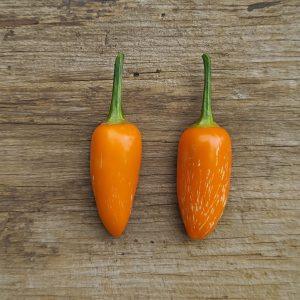
Elongated pendant pods; slightly curved with pointed tips
Size:
4–6 inches long; 0.75–1 inch wide
Color Stages:
• Immature: Pale green
• Mid-stage: Creamy yellow
• Ripe: Deep golden yellow
Wall Thickness:
Thin to medium
Texture & Skin:
Smooth, glossy surface with crisp flesh. Ideal for drying, roasting, and fresh use.
Plant Details
Growth Habit:
Tall and branching
Plant Height & Width:
Height: 100–150 cm
Width: 60–90 cm
Foliage:
Dark green leaves; ovate-lanceolate with entire margins
Flower Color:
White corolla with greenish-yellow spots (typical of C. baccatum)
Days to Maturity:
100–120 days from transplant
Yield:
High — typically 80–150 pods per plant under optimal conditions
Colombian Yellow plants are vigorous and well-suited to tropical and subtropical climates. They benefit from staking and pruning to manage height and airflow.
Cultivation Information
Seed Count per Pack: 10 seeds
Germination Time: 10–21 days (Germinating Chilli Seeds)
Optimal Germination Temp: 26–30°C (Essential guide to ideal temperatures and humidity for chilli seed germination)
Light Requirements: Filtered sun
Soil Preferences:
• pH: 6.0–6.8
• Rich, well-draining loam or compost mix (Easy DIY soil mixes)
• Benefits from calcium and potassium supplementation
Watering:
Maintain consistent moisture. Avoid waterlogging. Mulch recommended.
Fertilization:
Apply balanced NPK fertilizer every 2–3 weeks. Supplement with magnesium and calcium during fruiting.
Support:
Staking recommended due to tall growth habit
Pruning:
Pinch growing tips to encourage branching. Remove lower leaves to improve airflow.
Storage Tips:
Store seeds in a cool, dry place. Refrigeration at 4–8°C extends viability. Avoid humidity and light exposure.
Notable Compounds
Capsaicinoid Content:
Moderate — primarily capsaicin and dihydrocapsaicin
Volatile Flavor Compounds:
Limonene, esters, and pyrazines contribute to fruity and floral aroma
Pigments:
Carotenoids (yellow), capsanthin (orange), trace anthocyanins
Nutritional Value:
High in vitamin C, antioxidants, and dietary fiber
Culinary & Cultural Use
Traditional Uses:
Used in Colombian ají sauces, hogao, sancocho, and empanada fillings. Often pickled or fermented for table condiments.
Raw vs Cooked Flavor:
Raw: Bright, tangy, and spicy
Cooked: Sweet, mellow, and aromatic
Regional Dishes:
• Ají picante with lime and cilantro
• Hogao with tomato and onion
• Pickled ají rings for arepas
• Roasted ají for meat marinades
• Dried powder for beans and rice
Storage / Drying / Preserving Tips:
• Thin walls dry quickly for powder or flakes
• Pickles well in vinegar or brine
• Can be frozen whole or sliced
• Suitable for oil infusions and fermented sauces

Reviews
There are no reviews yet.