
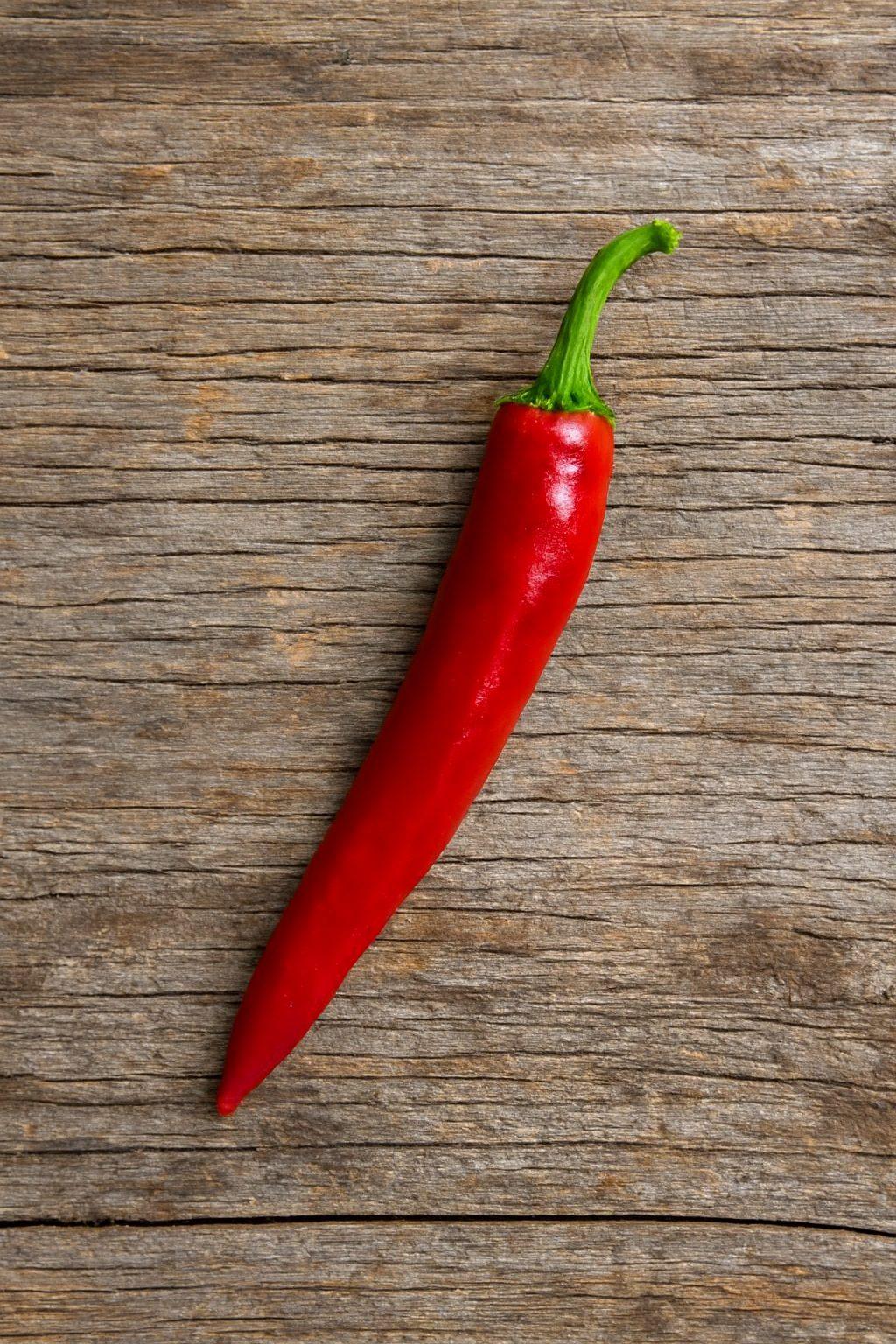
Description
Chorbadzhijski Pepper
Product Name: Chorbadzhijski
Cultivar Name: Chorbadzhijski Pepper
Species: Capsicum annuum
Common Names: Chorbadzhiyski, Bulgarian Sweet Pepper
Type: Heirloom
Origin & Lineage
Geographic Origin:
The Chorbadzhijski Pepper originates from Bulgaria, specifically from the town of Chorbadzhiiski, located in the northeastern region of the country. This area is known for its fertile soils and temperate climate, which have long supported the cultivation of vegetables, including heirloom pepper varieties. The cultivar has been grown for generations in Bulgarian home gardens and small farms, where it has adapted to local conditions and retained its distinct characteristics.
Cultural Significance:
In Bulgarian culinary tradition, the Chorbadzhijski Pepper holds a place of quiet reverence. It is commonly used in fresh salads, roasted dishes, and as a topping for iconic national meals such as banitsa (a layered pastry with cheese) and shopska salad (a tomato, cucumber, onion, and pepper salad topped with white cheese). The pepper’s sweet and slightly smoky flavor has made it a staple in rural kitchens and urban markets alike. While not associated with ritual use, its name—derived from “Chorbadzhi,” a historical term for wealthy landowners—suggests a folkloric connection to status and abundance. Its cultivation and use have been passed down through generations, reinforcing its role as a symbol of culinary heritage.
Lineage / Hybridizer History:
The Chorbadzhijski Pepper is an open-pollinated heirloom variety with no known hybridization. It has been preserved through traditional seed-saving practices in Bulgarian communities, particularly in the Dobrich and Silistra provinces. Its genetic lineage is closely related to other Balkan sweet peppers, such as the Kapia and Sivri varieties, though Chorbadzhijski is distinguished by its unique pod shape and flavor profile. No formal breeder is credited with its development; rather, it has been shaped by decades of local selection and adaptation.
Heat Profile
Scoville Rating (SHU):
0–50 SHU
Perceived Heat:
Sweet (0 to 50 SHU)
Heat Characteristics:
The Chorbadzhijski Pepper is classified as sweet, with virtually no detectable heat. Any pungency present is minimal and typically only perceived in the seeds or placenta when consumed raw. This makes it ideal for those seeking the aromatic qualities of Capsicum annuum without the burn. Its low SHU rating allows it to be used liberally in fresh and cooked dishes, even by individuals sensitive to capsaicin.
Flavor Profile
Tasting Notes:
The flavor of Chorbadzhijski Pepper is rich, sweet, and slightly smoky. When eaten raw, it delivers a crisp texture with notes of red apple and roasted almond. Roasting intensifies its sweetness and introduces a mild caramelization, while grilling adds a subtle charred depth.
Aftertaste / Finish:
The finish is clean and lingering, with a faint earthiness that complements its initial sweetness. There is no bitterness, and the flavor remains stable across different preparation methods.
Ideal Pairings:
- Shopska salad
- Roasted vegetable platters
- Cheese-stuffed peppers
- Tomato-based sauces
- Eggplant and zucchini dishes
Fruit Characteristics
Shape:
Elongated, slightly curved, tapering to a rounded tip
Size:
10–12 cm long, 2.5–3 cm diameter
Color Stages:
Immature: green → Ripe: bright red
Wall Thickness:
Medium
Texture & Skin:
Smooth and glossy; skin is thin enough for fresh use but durable enough for roasting
Plant Details
Growth Habit:
Bushy
Plant Height & Width:
Height: 60–90 cm
Width: 40–60 cm
Foliage:
Dark green, slightly pubescent
Flower Color:
White
Days to Maturity:
90–100 days from germination to harvest
Yield:
Moderate – typically 40–60 pods per plant under optimal conditions
Cultivation Information
Seed Count per Pack:
5 or 10 seeds (Presoaking Chilli Seeds)
Germination Time:
7–14 days (Germinating Chilli Seeds)
Optimal Germination Temp:
25–30°C (Essential guide to ideal temperatures and humidity for chilli seed germination)
Light Requirements:
Filtered sun
Soil Preferences:
- pH: 6.0–6.8
- Well-draining loamy soil
- Rich in compost and organic matter (Easy DIY soil mixes)
Storage Tips:
Store seeds in airtight containers in a cool, dry place. Refrigeration is recommended for long-term viability. Avoid exposure to moisture and direct sunlight.
Notable Compounds
Capsaicinoid Content:
Negligible capsaicin and dihydrocapsaicin; classified as non-pungent
Volatile Flavor Compounds:
Trace amounts of limonene and esters contribute to its fruity aroma; vanillin presence unconfirmed
Anthocyanins / Pigments:
No purple pigmentation; coloration driven by carotenoids responsible for red hue
Culinary & Cultural Use
Traditional Uses:
Chorbadzhijski Pepper is widely used in:
- Fresh salads (e.g., shopska salad)
- Roasted and grilled vegetable dishes
- Cheese-stuffed peppers
- Stir-fries and sautés
- Toppings for banitsa and other pastries
Raw vs Cooked Flavor:
Raw pods deliver a crisp texture and bright sweetness. Roasting enhances caramel notes and softens the flesh, while grilling adds a smoky depth. Pickling preserves the pepper’s color and texture, though it may slightly mute the sweetness. Fermentation introduces mild acidity and umami complexity.
Regional Dishes:
- Shopska salad (tomato, cucumber, onion, pepper, cheese)
- Banitsa with roasted pepper topping
- Lyutenitsa (Bulgarian tomato-pepper spread)
- Roasted Chorbadzhijski stuffed with sirene cheese
- Grilled vegetable skewers with Chorbadzhijski slices
Storage / Drying / Preserving Tips:
- Air-drying is possible but not commonly practiced due to thick walls
- Oven drying below 50°C retains flavor and color
- Pickling in vinegar with garlic and herbs preserves sweetness and texture
- Fermentation in salt brine enhances complexity
- Freezing suitable for short-term use, though texture may soften


Reviews
There are no reviews yet.