
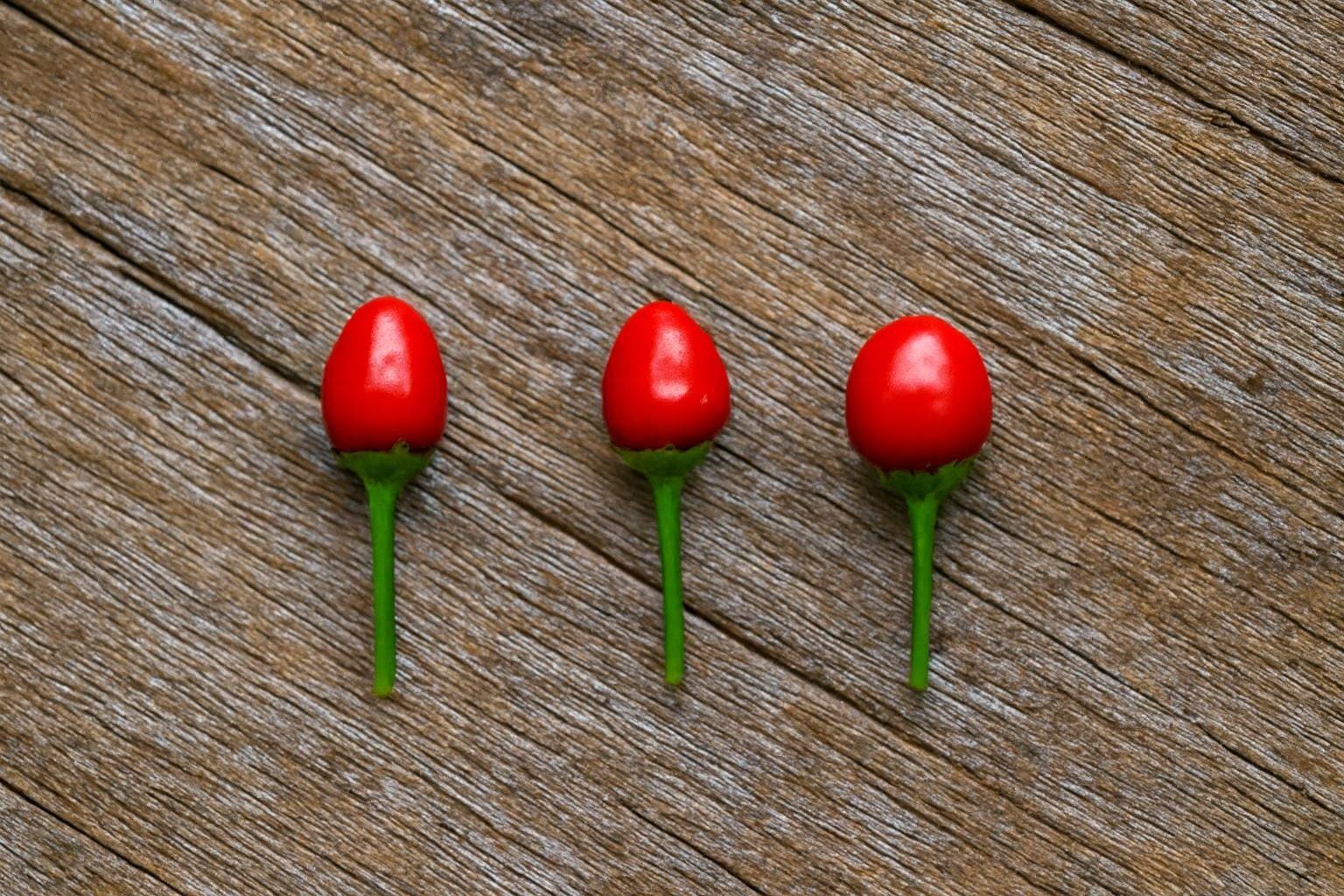
Description
Product Name: Chiltepin
Cultivar Name: Chiltepin
Species: Capsicum annuum var. glabriusculum
Common Names: Chiltepin, Chile Tepín, Bird Pepper, Indian Pepper
Type: Wild Heirloom
Origin & Lineage
Geographic Origin:
Native to northern Mexico and the southwestern United States, particularly Sonora, Texas, and Arizona. Chiltepin is considered the wild progenitor of all domesticated Capsicum annuum cultivars.
Cultural Significance:
Revered by indigenous peoples for over 9,000 years, Chiltepin peppers were used in culinary, medicinal, and ceremonial contexts. Known as “El Oro Rojo” (Red Gold) in Mexico, they are protected in areas like the Wild Chile Botanical Area in Arizona. The Seri people of Sonora call it “the pepper of the bird,” referencing its dispersal by birds immune to capsaicin.
Lineage / Breeder History
Parentage:
Wild type; no hybridization.
Breeder: Nature-selected; no formal breeder.
Selected Traits:
• Small, round fruits with intense heat
• Rapid onset and short duration burn (“arrebatado”)
• Smoky, earthy flavor with citrus undertones
• High capsaicin content
• Perennial shrub in frost-free zones
Stabilization Status:
Fully stable wild variety. No phenotypic variation under consistent conditions.
Heat Profile
Scoville Rating (SHU): 50,000–100,000 SHU
Perceived Heat: Hot
Heat Characteristics:
Immediate, sharp burn that fades quickly. Unlike slow-building superhots, Chiltepin delivers a “flash heat”—intense but brief. Comparable to Thai chili or cayenne in peak intensity.
Flavor Profile
Tasting Notes:
Smoky, earthy, and slightly nutty with a dry citrus edge. The flavor is clean and rustic, with a peppery finish.
Aftertaste / Finish:
Short-lived heat with lingering smokiness
Ideal Pairings:
• Rustic salsas and stews
• Pickled condiments for grilled meats
• Infused oils and vinegars
• Dry rubs for game and poultry
• Spicy honey and chocolate pairings
Fruit Characteristics
Shape:
Round to slightly oval; pea-sized
Size:
0.6–0.8 cm diameter
Color Stages:
• Immature: Green
• Ripe: Bright red or orange-red
• Dried: Deep red to brown
Wall Thickness:
Thin
Texture & Skin:
Smooth or slightly wrinkled; crisp when fresh, brittle when dried
Plant Details
Growth Habit:
Shrubby and bushy; perennial in warm zones
Plant Height & Width:
Height: 90–180 cm
Width: 60–120 cm
Foliage:
Green, ovate leaves with moderate branching
Flower Color:
White
Days to Maturity:
90–150 days from transplant
Yield:
Moderate to high — wild plants can produce hundreds of fruits annually
Plants thrive under partial shade and are often found growing beneath “nurse plants” like mesquite or hackberry. In frost-free climates, they can live 35–50 years.
Cultivation Information
Seed Count per Pack: 10 seeds
Germination Time: 10–28 days (Germinating Chilli Seeds)
Optimal Germination Temp: 26–32°C (Essential guide to ideal temperatures and humidity for chilli seed germination)
Light Requirements: Filtered Sun
Soil Preferences:
• pH: 6.0–7.0
• Sandy loam or well-draining silty soil (Easy DIY soil mixes)
• Enriched with compost or organic matter
Watering:
Deep watering weekly; drought-tolerant once established
Fertilization:
Balanced organic fertilizer every 4–6 weeks; compost tea or fish emulsion preferred
Support:
None required; natural bush form
Pruning:
Encouraged for airflow and fruiting; pinch tips to promote branching
Storage Tips:
Store seeds in cool, dry conditions. Dried fruits last up to 12 months in airtight containers.
Notable Compounds
Capsaicinoid Content:
High — primarily capsaicin
Volatile Flavor Compounds:
Smoky esters, limonene, and trace phenolics
Pigments:
Capsanthin, capsorubin
Nutritional Value:
Rich in vitamins A and C; high antioxidant content
Culinary & Cultural Use
Traditional Uses:
Used in indigenous Mexican and Southwestern U.S. cuisine for sauces, stews, and medicinal tonics. Historically consumed fresh, dried, or pickled.
Raw vs Cooked Flavor:
Raw: Sharp, smoky, and pungent
Cooked: Mellowed heat with earthy depth
Regional Dishes:
• Salsa de Chiltepin (Sonora)
• Pickled Chiltepin with garlic and vinegar
• Chiltepin-infused honey for cheese boards
• Chiltepin chili con carne
• Chiltepin mole with cacao and spices
Storage / Drying / Preserving Tips:
• Sun-dried for maximum flavor retention
• Ground into flakes or powder
• Infused into oils, vinegars, or spirits
• Pickled whole for long-term use


Reviews
There are no reviews yet.