
Description
Cape Gooseberry Seeds
Cultivar Details
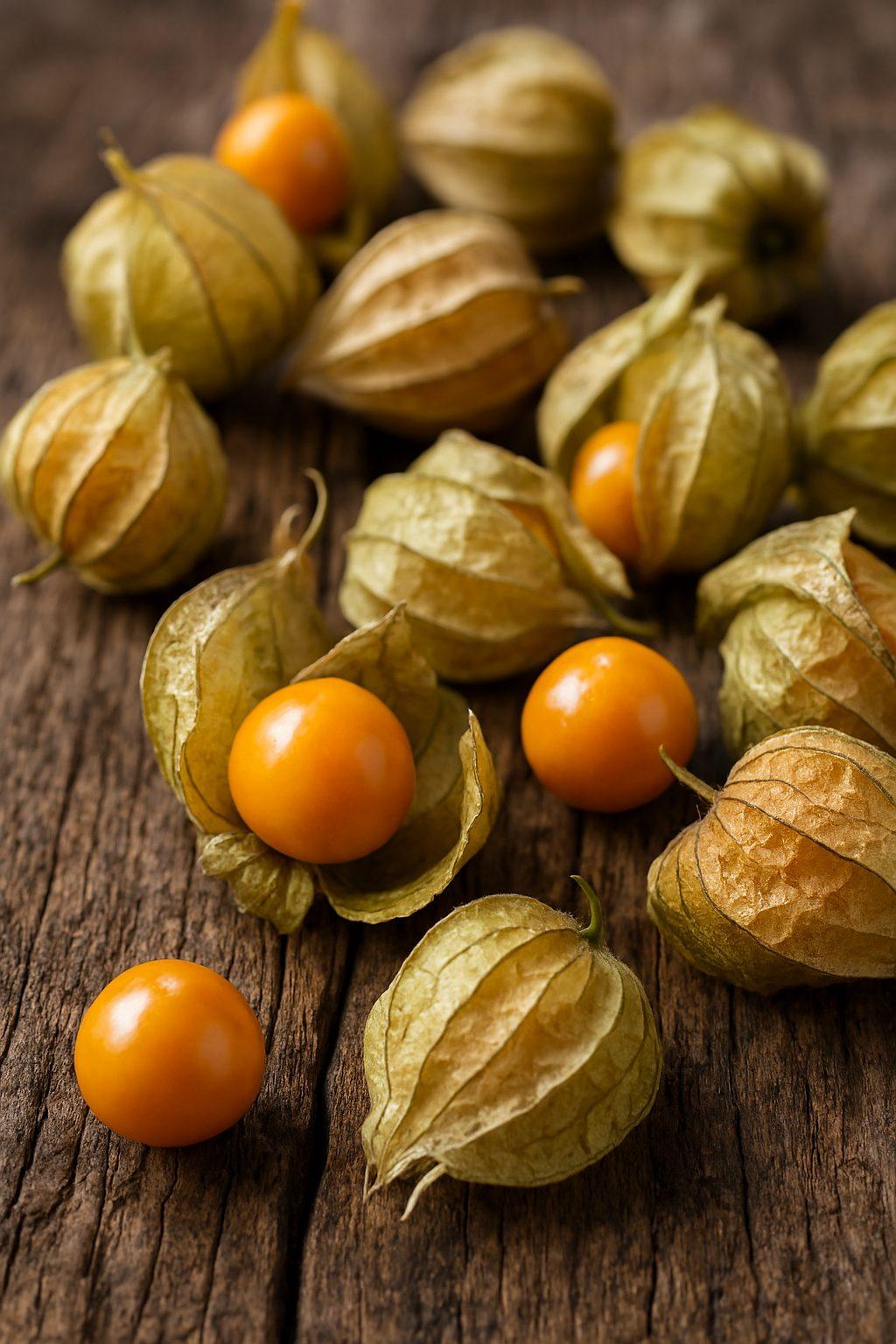
Cape Gooseberry (Physalis peruviana), also known as goldenberry, Inca berry, or “appelliefie” in Afrikaans, is a soft-wooded perennial grown for its sweet, tangy fruit enclosed in a straw-colored husk. This open-pollinated cultivar is prized for its adaptability, ornamental appeal, and high nutritional value. It performs well in containers, raised beds, and open field rows, making it a favorite among home gardeners, permaculture designers, and small-scale producers. Whether grown for fresh eating, preserves, or ecological landscaping, Cape Gooseberry delivers consistent results and legacy-grade flavor.
Origin and Lineage
Native to the Andes mountains of South America, Cape Gooseberry has been cultivated since the 18th century and was introduced to South Africa in the early 19th century. It belongs to the Solanaceae family, making it a distant relative of tomatoes, potatoes, and eggplants. Over time, it has been stabilized through open-pollinated selection for fruit size, husk integrity, and flavor intensity. Today, it is widely grown across South Africa, especially in the Western Cape, where it thrives in mild climates and well-drained soils.
Flavor and Culinary Profile
Cape Gooseberry offers a unique flavor profile—sweet with a mildly tart finish, often described as a blend of pineapple, strawberry, and tomato. The berries are juicy, smooth-skinned, and about the size of a marble. When ripe, they develop a golden-orange hue and a fragrant aroma. Culinary uses include fresh snacking, fruit salads, jams, chutneys, sauces, and desserts. In Colombia, the fruit is stewed with honey; in South Africa, it’s often preserved or dipped in chocolate. Its high pectin content makes it ideal for canning and baking.
Plant Characteristics
Cape Gooseberry grows as a bushy, branched perennial reaching 0.5–1 meter in height. It produces velvety, heart-shaped leaves and nodding yellow flowers with dark spots in the throat. Fruits develop inside lantern-like husks that dry and split when ripe. The plant is self-pollinating and can be grown as an annual in temperate zones or as a perennial in frost-free areas. It is drought-tolerant once established and thrives in warm, sheltered positions such as the base of sunny walls.
Seed Pack Details
- Contents: 10 untreated, open-pollinated seeds
- Germination rate: ≥85% under optimal conditions
- Storage: Store in a cool, dry place; viable for up to 4 years
Germination and Propagation
Start seeds indoors 6–8 weeks before the last frost or sow directly in spring. Sow 5 mm deep in moist seedling mix, firm gently, and keep warm (10–25°C). Germination occurs within 10–15 days. Transplant seedlings when 10 cm tall, spacing 90 cm apart in well-prepared beds. Cape Gooseberry dislikes root disturbance, so transplant with care. Support may be needed as plants mature and fruit heavily.
Soil and Water Requirements
Cape Gooseberry prefers fertile, well-drained loam with a pH between 5.5 and 7.5. Prior to planting, enrich soil with compost or aged manure. Moderate watering is required—about 20–30 mm per week—especially during flowering and fruit set. Avoid waterlogging, which can lead to root rot. Mulching helps retain moisture and suppress weeds. The plant is moderately drought-tolerant once established.
Light and Climate Requirements
Full sun is essential for optimal fruiting. Cape Gooseberry thrives in warm climates and tolerates light frost, though it performs best in frost-free zones. In South Africa, sow from August to October or February to April. In the Western Cape, autumn sowings benefit from cooler nights and reduced pest pressure. Shelter from strong winds and provide good airflow to reduce disease risk.
Crop Calendar and Days to Harvest
- Sowing window (Southern Hemisphere): August–October and February–April
- Germination: 10–15 days
- Transplanting: 6–8 weeks after sowing
- Harvest: 110–140 days from sowing
- Fruit maturity: 180 days for full ripening
Yield and Harvest Notes
Under optimal conditions, Cape Gooseberry yields 2–5 kg per plant. Harvest when husks turn papery and fruits drop to the ground. Not all fallen fruits are ripe—hold until golden-yellow. Handle gently to avoid bruising. For seed saving, allow selected fruits to ripen fully, then extract and dry seeds. Shelf life at room temperature is 30–45 days if stored in husks.
Pests, Diseases and Management
Common pests include aphids, whiteflies, and cutworms. These can be managed with neem oil, insecticidal soap, and beneficial insect attraction. Fungal issues such as powdery mildew and leaf spot are mitigated by crop rotation, proper spacing, and avoiding overhead irrigation. Cape Gooseberry is generally resilient, but unripe fruits are toxic and should not be consumed.
Companion Planting and Ecological Use
Cape Gooseberry pairs well with basil, carrots, and leafy greens. Avoid planting near tomatoes, potatoes, and chillies, which may share pests. Its flowers attract pollinators, and its dense foliage provides habitat for beneficial insects. In ecological gardens, it serves as a productive anchor crop with ornamental and biodiversity value.
Culinary, Medicinal and Nutritional Uses
Rich in vitamins A, C, and P, Cape Gooseberry supports immune function, skin health, and digestion. It contains plant sterols, flavonoids, and antioxidants with anti-inflammatory and antiviral properties. Medicinally, leaf decoctions are used as diuretics and anti-asthmatics in Colombia, while in South Africa, heated leaves are applied to inflammations. Zulu traditions include leaf infusions for abdominal ailments in children.
Preservation and Storage
Fresh fruits can be stored in their husks at room temperature for up to 45 days. For longer preservation, they may be canned, dried, or frozen. Dried berries resemble raisins and are used in baking or as snacks. Always label preserved batches with harvest date and cultivar for archival integrity.
Notable Compounds and Chemistry
Cape Gooseberry contains pectin, carotenoids, and polyphenols that contribute to its antioxidant, anti-carcinogenic, and antihistamine effects. It is high in protein (up to 16%) and contains trace minerals such as iron and phosphorus. During cooking, sugars concentrate and Maillard reactions enhance flavor and aroma. The cultivar’s high nutrient density and unique chemistry make it a standout in both culinary and medicinal applications.


Reviews
There are no reviews yet.