
Description
Product Name: Brazilian Starfish Yellow
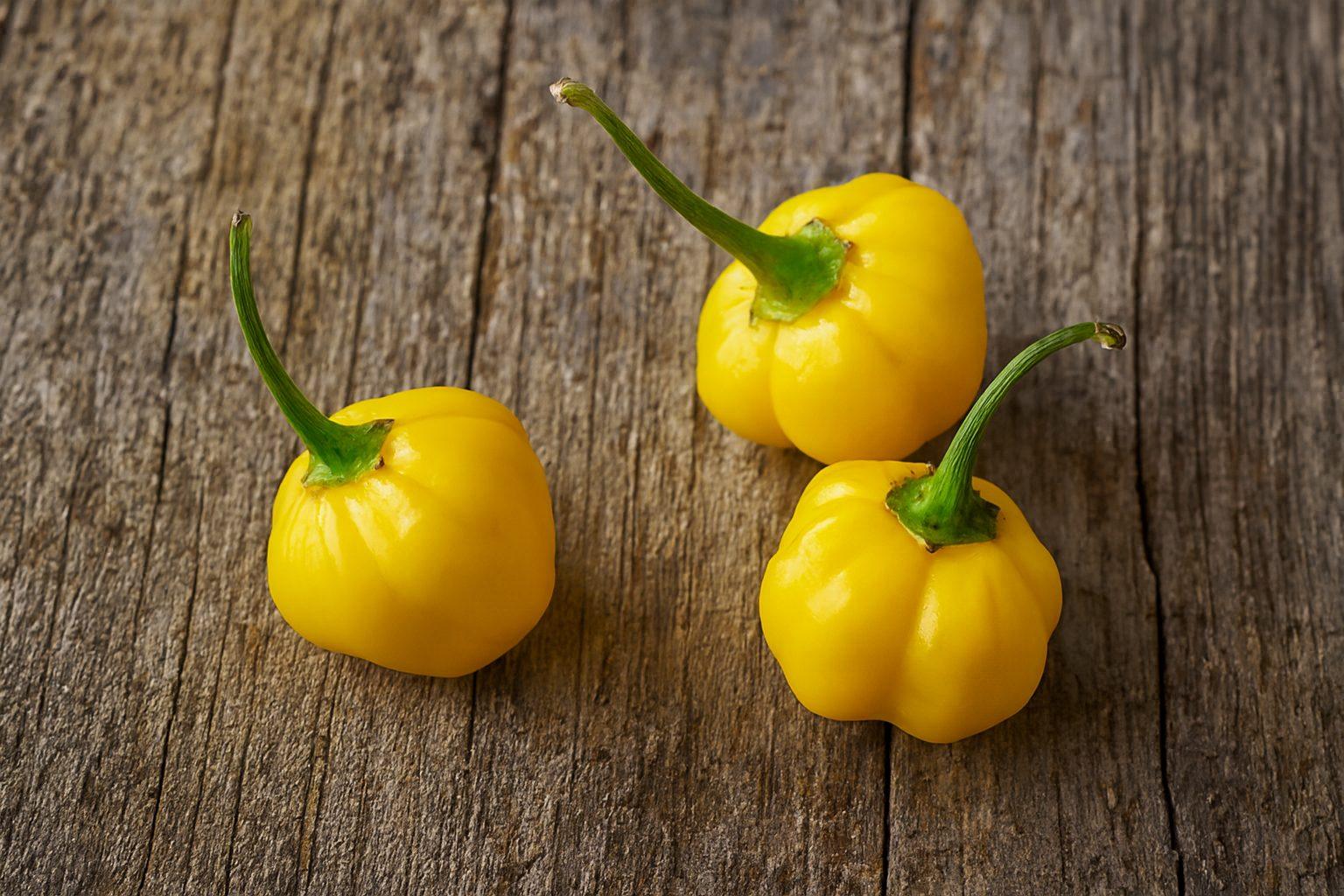
Brazilian Starfish Yellow is a visually striking and flavor-rich chili cultivar belonging to the Capsicum baccatum species. Named for its distinctive starfish-like shape, this variety is a yellow-hued derivative of the more common Brazilian Starfish Red. It combines ornamental appeal with culinary versatility, offering a sweet, fruity flavor and a mild to medium heat level. Though often grown for its aesthetic value, the Brazilian Starfish Yellow has earned its place in kitchens and gardens worldwide due to its unique pod structure, prolific yield, and balanced heat. Its popularity continues to grow among collectors, chefs, and growers seeking a chili that delivers both beauty and substance.
- Cultivar Name: Brazilian Starfish Yellow
- Species: Capsicum baccatum
- Common Names: Starfish Pepper, Yellow Starfish
- Type: Heirloom
Origin & Lineage
Geographic Origin:
The Brazilian Starfish Yellow originates from South America, specifically Brazil, where it was cultivated as a regional variant of the Brazilian Starfish Red. Though its exact point of origin within Brazil remains undocumented, it is widely believed to have emerged through natural color mutation and selective propagation. The Capsicum baccatum species itself is native to the Andean region and has been cultivated across South America for centuries.
Cultural Significance:
While the red variant of the Brazilian Starfish has been more commonly used in traditional Brazilian cooking, the yellow strain has gained popularity for its ornamental value and culinary adaptability. In rural Brazilian gardens, baccatum peppers are often grown for both food and decoration. Although no ritual or folkloric uses have been formally recorded for the yellow variant, its presence in home gardens and local markets suggests a cultural appreciation rooted in aesthetic and culinary utility.
Lineage / Hybridizer History:
The Brazilian Starfish Yellow is considered an heirloom variety and was not developed through formal hybridization. It is a stabilized color variant of the Brazilian Starfish Red, which itself is a landrace-type chili. Growers in Brazil and abroad began selecting yellow-fruited plants from mixed-color grow-outs, eventually stabilizing the yellow phenotype over successive generations. No single breeder has been credited with its development, as it emerged through open pollination and community-based cultivation.
Heat Profile
Scoville Rating (SHU):
10,000–30,000 SHU
Perceived Heat:
Medium (1,000 to 15,000 SHU) to Hot (15,000 to 50,000 SHU), depending on growing conditions
Heat Characteristics:
The heat of Brazilian Starfish Yellow is described as a creeping burn that begins subtly and intensifies gradually. It is typically felt on the front of the tongue and lips, with a lingering warmth that lasts 5 to 8 minutes. Unlike many baccatum cultivars, which offer a sharp bite, this variety delivers a more rounded and pleasant burn that complements its fruity flavor. Environmental factors such as soil composition, sunlight exposure, and water stress can influence heat levels, making it slightly variable across growing regions.
Flavor Profile
Tasting Notes:
Brazilian Starfish Yellow is renowned for its sweet, fruity flavor with notes of citrus and tropical fruit. When cut open, the pods release a fragrant aroma reminiscent of lemon zest and ripe mango. The flavor is juicy and crisp, offering a refreshing contrast to its moderate heat.
Aftertaste / Finish:
The finish is clean and slightly tangy, with a mild bitterness that enhances its complexity. When dried, the flavor concentrates into a sweet, paprika-like profile that works well in spice blends and sauces.
Ideal Pairings:
- Fresh salsas and garden salads
- Pickled condiments
- Sweet chili sauces
- Fruit-based chutneys
- Roasted vegetable dishes
Fruit Characteristics
Shape:
Distinctive starfish-like shape with undulated lobes and a central core
Size:
Approximately 5 cm in diameter
Color Stages:
Immature: green → Ripe: bright yellow
Wall Thickness:
Medium
Texture & Skin:
Wrinkled and undulated with a glossy surface; pods are crisp and juicy when fresh.
Plant Details
Growth Habit:
Bushy with a wispy, open structure
Plant Height & Width:
Height: 80–100 cm
Width: 60–80 cm
Foliage:
Dark green, sparse, slightly pubescent
Flower Color:
White
Days to Maturity:
100–120 days from germination
Yield:
High – capable of producing dozens of pods per plant under optimal conditions.
Cultivation Information
Seed Count per Pack:
5 or 10 seeds (Presoaking Chilli Seeds)
Germination Time:
7–14 days (Germinating Chilli Seeds)
Optimal Germination Temp:
25–30°C (Essential guide to ideal temperatures and humidity for chilli seed germination)
Light Requirements:
Filtered sun
Soil Preferences:
Prefers well-drained soil rich in organic matter; pH range 6.0–6.8 (Easy DIY soil mixes)
Storage Tips:
Store Brazilian Starfish Yellow seeds in airtight containers in a cool, dry place. Refrigeration is recommended for long-term viability.
Notable Compounds
Capsaicinoid Content:
Contains capsaicin and dihydrocapsaicin in moderate concentrations, contributing to its creeping heat
Volatile Flavor Compounds:
Limonene (citrus aroma), geraniol (floral), and trace vanillin (sweetness) have been suggested based on flavor profile comparisons
Anthocyanins / Pigments:
No purple pigmentation observed; the cultivar expresses uniform yellow coloration without variegation.
Culinary & Cultural Use
Traditional Uses:
- Fresh salsas and garden salads
- Pickled whole in vinegar
- Mild chili sauces and pastes
- Sweet paprika-style powders
Raw vs Cooked Flavor:
Raw Brazilian Starfish Yellow pods offer a crisp, juicy bite with bright sweetness. When roasted or grilled, the flavor deepens and becomes more mellow, with the floral notes becoming more pronounced. Pickling enhances the tang and preserves the fruit’s texture.
Regional Dishes:
- Brazilian-style pickled peppers (Pimentas em conserva)
- Sweet chili chutneys
- Mild salsa fresca
- Fruit-infused hot sauces
Storage / Drying / Preserving Tips:
- Air-dry whole pods in a shaded, ventilated area
- Use a dehydrator at low heat to preserve volatile compounds
- Ferment chopped pods with salt for 2–4 weeks for mash-based sauces
- Store dried pods in vacuum-sealed bags to retain flavor and potency


Reviews
There are no reviews yet.