
Description
Product Name: Bleeding Rawit White Red Chilli Seeds
The Bleeding Rawit White Red is a highly sought-after and incredibly stunning pepper variety that has captured the attention of chilli collectors and gourmet chefs worldwide. This Bleeding Rawit White Red stands out due to its phenomenal aesthetic transition and its prolific fruiting habits. Gardeners are consistently amazed by how the pods completely transform during their maturation cycle. When cultivating this rare selection, you will witness a spectacular display of botanical brilliance that transitions seamlessly from pristine hues to a deep, intense finish. The visual allure is further heightened by the unique morphological feature where pigmentation bleeds noticeably into the surrounding tissue
- Cultivar Name: Bleeding Rawit White Red
- Species: Interspecific Hybrid (Capsicum chinense × Capsicum annuum cross)
- Common Names: Bleeding Rawit, Bleeding Rawit White
- Type: Hybrid
Origin & Lineage
Geographic Origin:This captivating variety traces its immediate developmental roots back to dedicated independent horticulturists based in Michigan, United States. However, the core genetic backbone of the traditional “Rawit” family is profoundly anchored in Southeast Asia, particularly across Indonesia and neighboring nations. By combining Western breeding ingenuity with robust Eastern landrace genetics, an entirely new expression of pepper aesthetics was successfully developed. It is highly regarded within specialized seed exchange circles across North America and Europe, where rare phenotypes are meticulously preserved and documented
Cultural Significance:While regular Rawit chillies are traditionally used as a daily culinary staple across Asia for creating spicy sambals and vibrant everyday pastes, the Bleeding Rawit White Red serves a more modern and artistic role. It is widely celebrated in contemporary urban farming communities as a premier example of “edible ornamental” landscaping. Folklore surrounding bleeding-calyx peppers often associates them with good fortune and protection due to their aggressive color intensity. Furthermore, these plants are highly prioritized in modern exhibitions and pepper community showcases because of their dramatic, photogenic nature.
Lineage / Hybridizer History:The distinct “bleeding calyx” mutation was originally made famous by the iconic 7 Pot Bubblegum pepper, which was masterfully bred by Jon Harper in the United Kingdom. Consequently, passionate hybridizers sought to transfer this magnificent bleeding characteristic into smaller, high-yielding Thai and Rawit-style pod forms. Through deliberate crossing techniques involving white-fruiting Capsicum chinense lines and stable Capsicum annuum Rawit selections, the Bleeding Rawit line was established. The specific White Red variant represents a stabilized lineage where the immature pods start completely white before fully flushing to red, ensuring that the bright red capsaicinoid oils bleed gloriously up into the oversized calyx structure
Heat Profile
- Scoville Rating (SHU): 30,000–50,000 SHU
- Perceived Heat: Very Hot
- Heat Characteristics: The heat delivered by this interspecific hybrid is remarkably sharp, instant, and forward-facing. It is heavily influenced by its Capsicum annuum lineage, meaning the burn is felt immediately on the tip of the tongue and the back of the throat rather than building up slowly over time. It induces a clean, piercing sting that stimulates the sweat glands without causing the prolonged, overwhelming visceral agony associated with superhot ghost or reaper varieties. Because the capsaicinoids are concentrated heavily in the placenta and the bleeding calyx zone, consuming the entire pod with the stem attachment provides a much more intense and well-rounded rush of heat
Flavor Profile
- Tasting Notes: The initial bite of the Bleeding Rawit White Red releases a surprisingly complex burst of flavor. A distinct crispness is accompanied by a subtle, tropical undertone that carries hints of green apple and unripe pear, which is inherited directly from its hidden chinense genetics. Nevertheless, a sharp, grassy, and traditional peppery brightness remains dominant throughout the tasting experience. It offers a refreshing crunch that prevents the flavor from feeling heavy, flat, or overly floral
- Aftertaste / Finish: Once the initial sharp burn begins to dissipate, a lingering clean spiciness remains on the palate. The finish is slightly dry and clean, leaving behind minimal oily residue compared to pure superhots. A pleasant, faint sweetness from the fully ripened red sugars can be detected long after the pod is swallowed
- Ideal Pairings:
- Freshly prepared Indonesian Sambal Ulek or spicy Thai fish sauce marinades.
- Tangy rice wine vinegar infusions and home-style pickled cucumber salads
- Citrus-forward seafood ceviche or grilled white fish tacos
- Handcrafted hot sauce blends requiring a clean color profile and a sharp kick
- Dehydrated and crushed flakes used to season gourmet pizzas and artisan pastas
Fruit Characteristics
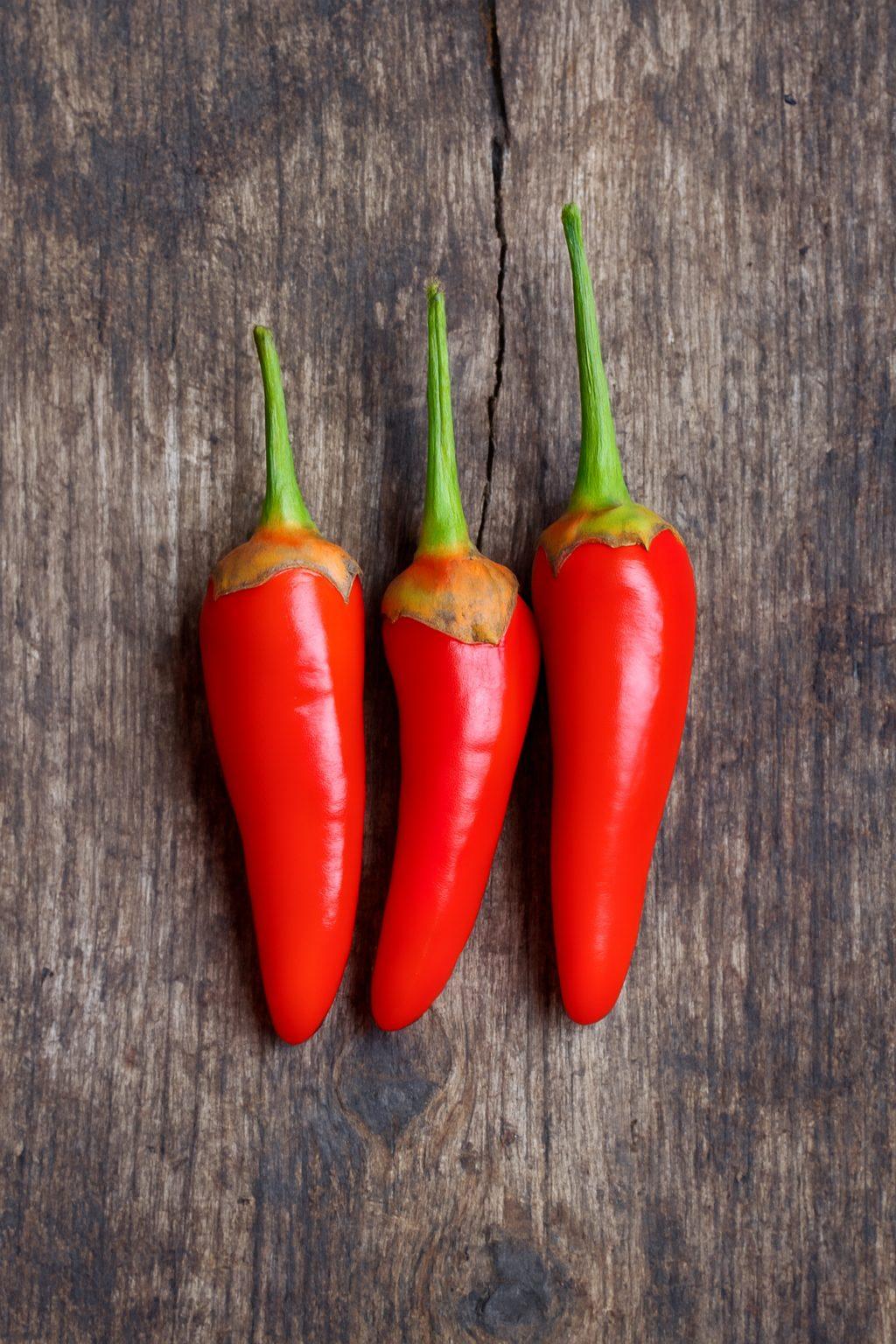
- Shape: The Bleeding Rawit White Red pods display a beautiful, distinct droplet-shaped or slightly elongated conical form. They are produced in tight clusters, with many pods standing upright or semi-upright on the branches, pointing proudly toward the sky. The most definitive characteristic is the disproportionately large, thick calyx that wraps snugly around the crown of the fruit
- Size: 3–5 cm long, 1–1.5 cm diameter
- Color Stages:
- Immature: Creamy White
- Intermediate: Pale Orange / Light Yellow
- Ripe: Vibrant Crimson Red (with red tones bleeding heavily up into the calyx)
- Wall Thickness: Thin
- Texture & Skin: The exterior skin is incredibly smooth, glossy, and taut, giving the pods a polished appearance. When touched, the skin feels completely firm and crisp. Because the walls are thin, the skin dries out effortlessly when exposed to warm air currents
Plant Details
- Growth Habit: The Bleeding Rawit White Red plant exhibits an incredibly compact, dense, and highly branched bushy habit. It maintains a neat visual structure naturally, making it an absolute favorite for growers with limited space
- Plant Height & Width: 60–90 cm tall, 50–60 cm wide
- Foliage: The foliage is comprised of beautiful, dark green leaves that are densely packed along the stems. Strong purple coloration and striking dark anthocyanin highlights are frequently displayed at the nodes and along the main branches when the plant is grown under intense light conditions
- Flower Color: The blossoms are predominantly white, though they can occasionally display delicate pale purple accents or light striping along the margins of the petals
- Days to Maturity: 100–120 days from germination
- Yield: High – typically 100–150 pods per plant under optimal conditions
Cultivation Information
- Seed Count per Pack: 5 or 10 seeds (Presoaking Chilli Seeds)
- Germination Time: 7–14 days (Germinating Chilli Seeds)
- Optimal Germination Temp: 25–30°C (Essential guide to ideal temperatures and humidity for chilli seed germination)
- Light Requirements: Filtered sun
- Soil Preferences: Prefers well-drained loamy soil with a pH of 6.0–7.0. Enrich with compost and potash for optimal fruiting (Easy DIY soil mixes)
- Storage Tips: Store seeds in airtight containers in a cool, dry place. Avoid exposure to moisture and light to maintain viability for up to 3 years.
Notable Compounds
- Capsaicinoid Content: The fiery properties of the Bleeding Rawit White Red are governed primarily by a high concentration of capsaicin, which is accompanied by smaller traces of dihydrocapsaicin. These specific alkaloid molecules are generated inside the placental tissue and travel upwards, accumulating heavily within the unique calyx attachment
- Volatile Flavor Compounds: The crisp and refreshing aroma is driven by a unique volatile profile containing noticeable concentrations of limonene and hexanal, which together produce the characteristically clean, citrusy, and grassy scent that is released the moment a pod is sliced open
- Anthocyanins / Pigments: During the early developmental stages, defensive anthocyanin pigments are synthesized by the plant tissues to protect the delicate white pods from solar radiation. As the fruit reaches absolute maturity, these compounds fade out completely, allowing vibrant carotenoids like capsanthin to take over, which gives the pod its final, radiant crimson coat
Culinary & Cultural Use
- Traditional Uses: In many traditional households, the hot pods are crushed fresh using a mortar and pestle to create intensely spicy table condiments, house ferments, and raw vinegar salsas. They are also dropped whole into large pots of simmering broth to infuse dishes with a clean, sharp punch of heat
- Raw vs Cooked Flavor: When consumed raw, the pepper offers a powerful, crisp crunch alongside a sharp, unyielding sting. However, if the pods are lightly roasted or stir-fried in hot oil, the volatile grassy notes are softened significantly, allowing the natural sugars to caramelize and creating a much deeper, complex, and savory flavor.
- Regional Dishes: This variety serves as an excellent contemporary substitute in classic Southeast Asian recipes like Sambal Terasi (a rich, fiery shrimp paste condiment) and authentic Tom Yum Goong soup, where a sharp, instant heat is required to balance out heavy coconut milks and sour lime juices
- Storage / Drying / Preserving Tips: Dry pods in shaded, ventilated areas to retain color and flavor. Once dried, they may be ground into powder or stored whole. Fermentation with garlic, shrimp paste, and lime yields a robust, shelf-stable condiment.


Reviews
There are no reviews yet.