
Description
Product Name: Beni Market Chilli
Cultivar Name: Beni Market
Species: Capsicum chinense
Common Names: Beni Market, Aji Bolivia, Beni Red
Type: Heirloom
Origin & Lineage
Geographic Origin:
Beni Market originates from the Beni region of Bolivia, a tropical lowland area known for its biodiversity and indigenous agricultural heritage. It is believed to be a regional variant of Cheiro Recife from Brazil, sharing similar pod morphology but with a less pronounced tail.
Cultural Significance:
This cultivar is part of a lineage of small-fruited chinense peppers traditionally grown near homes for culinary and medicinal use. Its compact growth and prolific fruiting make it ideal for urban gardens, balconies, and small-scale culinary production.
Lineage / Breeder History
Parentage:
Unspecified Bolivian landrace; possibly derived from Cheiro Recife-type genetics
Hybridizer:
Open-pollinated heirloom; distributed by Chillihead and Scoville Republic
Selected Traits:
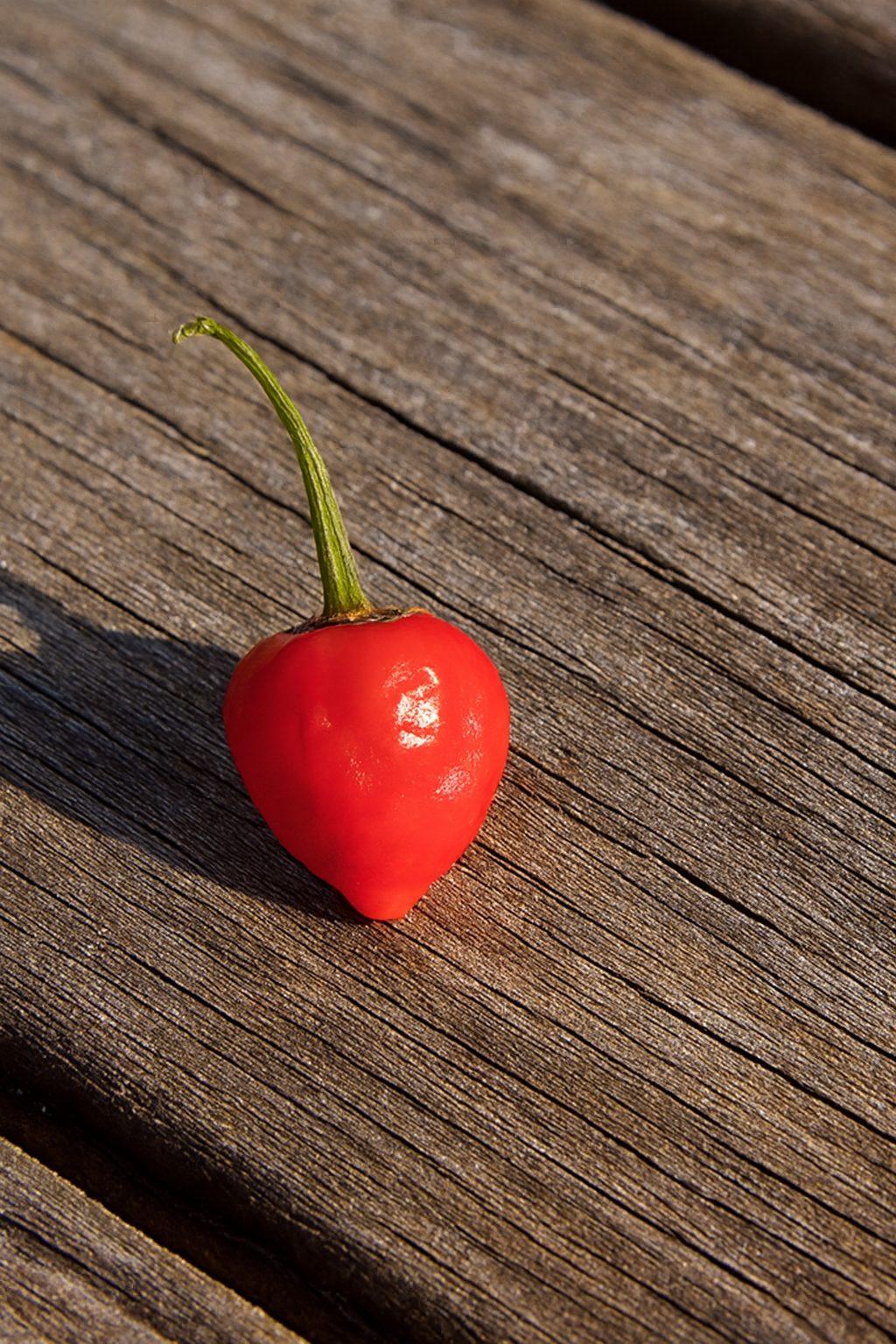
• Droplet-shaped pods with rounded shoulders
• Ripening sequence: light green → orange → red
• Sweet, citrus-forward aroma with habanero-like undertones
• Compact growth with dense foliage
• High productivity and ornamental appeal
Stabilization Status:
Stable heirloom. Minor variation may occur in pod size and tail formation.
Heat Profile
Scoville Rating (SHU): 100,000–150,000 SHU
Perceived Heat: Hot to Very Hot
Heat Characteristics:
Delivers a front-of-mouth burn that builds quickly and lingers. Comparable to mild habanero types. Heat is clean and well-integrated into the flavor profile.
Flavor Profile
Tasting Notes:
Sweet, fruity, and citrusy with notes of tangerine, passionfruit, and floral esters. The aroma is reminiscent of Scotch Bonnet and Cheiro-type peppers, with a bright and tropical finish.
Aftertaste / Finish:
Lingering citrus and floral warmth with no bitterness
Ideal Pairings:
• Tropical fruit salsas and ceviche
• Fermented sauces with mango or pineapple
• Pickled rings for seafood and grilled meats
• Aromatic powders for rubs and marinades
• Infused vinegars and oils
Fruit Characteristics
Shape:
Droplet-shaped pods with rounded base and subtle taper
Size:
2–3 cm long, 1.5–2 cm wide
Color Stages:
• Immature: Pale green
• Mid-stage: Orange blush
• Ripe: Bright red
Wall Thickness:
Thin to medium
Texture & Skin:
Smooth, glossy skin with crisp, juicy flesh. Ideal for fresh use, pickling, and drying.
Plant Details
Growth Habit:
Compact bush with dense foliage
Plant Height & Width:
Height: 50–70 cm
Width: 60–100 cm
Foliage:
Bright green, ovate leaves with tight canopy
Flower Color:
White with purple anthers (typical of chinense)
Days to Maturity:
100–120 days from transplant
Yield:
High — hundreds of pods per plant under optimal conditions
Beni Market plants are well-suited to container gardening, raised beds, and ornamental borders. Their compact form and vibrant fruit make them ideal for edible landscaping.
Cultivation Information
Seed Count per Pack: 10 seeds
Germination Time: 7–10 days (Germinating Chilli Seeds)
Optimal Germination Temp: 26–32°C (Essential guide to ideal temperatures and humidity for chilli seed germination)
Light Requirements: Full sun
Soil Preferences:
• pH: 6.0–6.8
• Rich, well-draining loam (Easy DIY soil mixes)
• Benefits from compost and potassium-rich feeding
Watering:
Maintain consistent moisture. Avoid waterlogging. Mulch recommended.
Fertilization:
Apply balanced NPK fertilizer every 2–3 weeks. Supplement with calcium and magnesium during fruiting.
Support:
Staking optional; canopy remains compact
Pruning:
Pinch growing tips to encourage branching. Remove lower leaves to improve airflow.
Storage Tips:
Store seeds in a cool, dry place. Refrigeration at 4–8°C extends viability. Avoid humidity and light exposure.
Notable Compounds
Capsaicinoid Content:
Moderate to high — primarily capsaicin and dihydrocapsaicin
Volatile Flavor Compounds:
Limonene, geraniol, and esters contribute to fruity aroma
Pigments:
Capsanthin (red), beta-carotene (orange)
Nutritional Value:
High in vitamin C, antioxidants, and dietary fiber
Culinary & Cultural Use
Traditional Uses:
Used in Bolivian and Brazilian home cooking for sauces, pickles, and aromatic powders. Often grown near kitchens for daily harvest.
Raw vs Cooked Flavor:
Raw: Crisp, fruity, and aromatic
Cooked: Mellowed sweetness with intensified citrus and floral notes
Regional Dishes:
• Bolivian-style salsa with tomato and onion
• Pickled Beni rings for seafood platters
• Fermented mango hot sauce
• Citrus-forward chili jam
• Dried powder for rubs and seasoning blends
Storage / Drying / Preserving Tips:
• Thin walls dry quickly for powder or flakes
• Pickles well in vinegar or brine
• Can be frozen whole or sliced
• Suitable for oil infusions and fermented sauces



Reviews
There are no reviews yet.