
Description
Product Name: Bengal Naga Peach
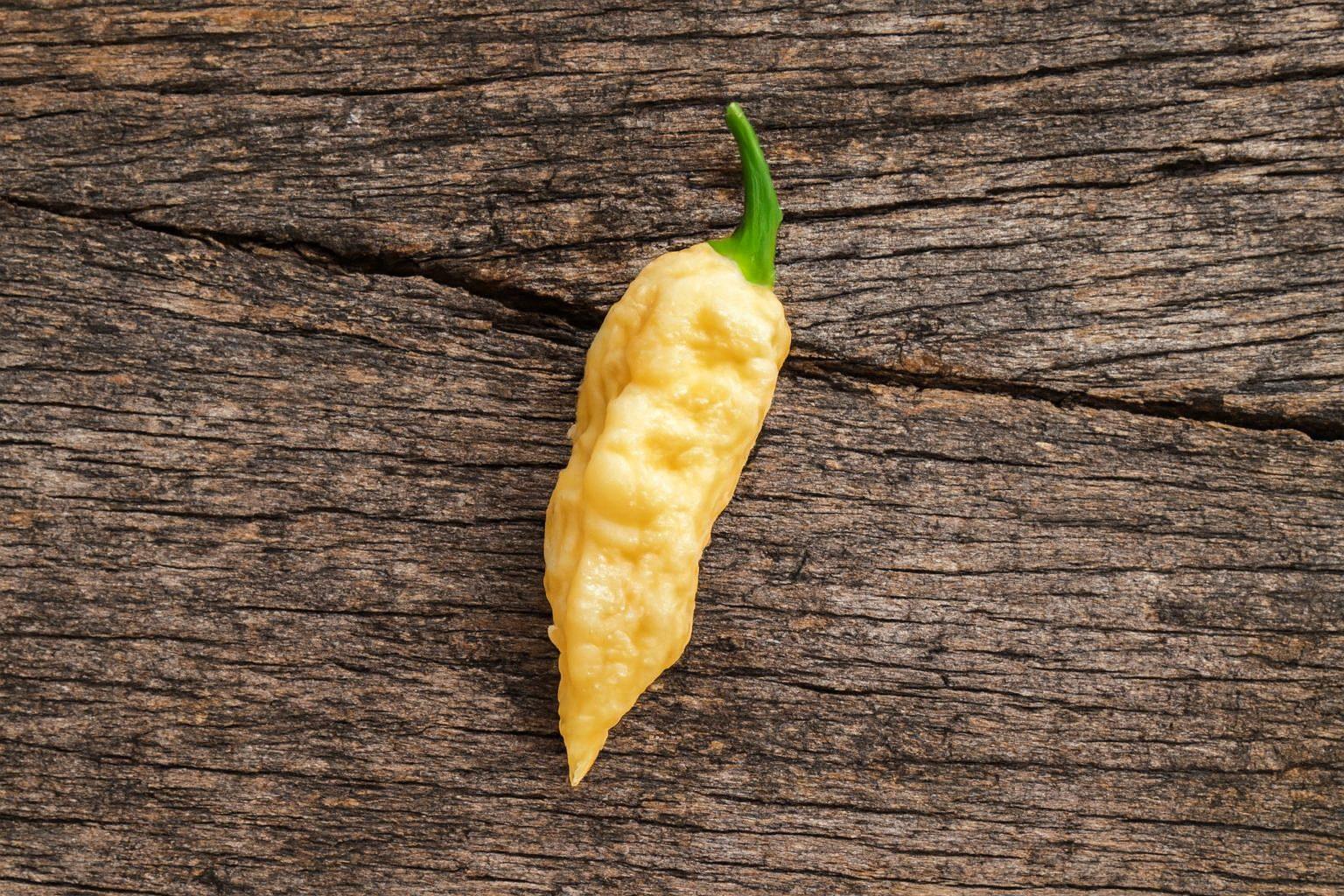
Bengal Naga Peach is a visually arresting and intensely hot chili cultivar that merges the brutal heat of the Naga lineage with a stunning peach-colored pod. This superhot variety is cherished not only for its Scoville intensity but also for its fruity aroma and prolific yield. Though it belongs to the Capsicum chinense species, which includes some of the world’s hottest peppers, Bengal Naga Peach distinguishes itself through its unique coloration, twisted pod shape, and balanced flavor. It has become a staple among collectors and sauce makers who seek both heat and complexity in their chili selections.
- Cultivar Name: Bengal Naga Peach
- Species: Capsicum chinense
- Common Names: Peach Naga, Naga Peach
- Type: Heirloom
Origin & Lineage
Geographic Origin:
The Bengal Naga Peach was originally discovered in the United Kingdom, reportedly as a spontaneous mutation among Bhut Jolokia plants grown by Sea Spring Seeds. Although its name suggests a South Asian origin, the cultivar was stabilized in British greenhouses and later distributed globally. Its genetic heritage is closely tied to the Naga Morich and Bhut Jolokia, both of which hail from northeastern India and Bangladesh. The peach coloration emerged unexpectedly and was preserved through selective breeding.
Cultural Significance:
While the Bengal Naga Peach itself does not have documented ritual or folkloric uses, its ancestral lineage carries deep cultural weight. Naga-type peppers have long been used in northeastern Indian cuisine, particularly in chutneys, pickles, and fermented condiments. In Bangladesh, these peppers are often incorporated into fish stews and lentil dishes. The peach variant, though modern, continues this tradition by offering a familiar heat profile with a novel aesthetic.
Lineage / Hybridizer History:
The Bengal Naga Peach was not developed through intentional hybridization but rather through the stabilization of a spontaneous color mutation. It was first observed in a greenhouse filled with Bhut Jolokia plants and later isolated by growers who recognized its potential. Over several generations, the peach phenotype was stabilized, resulting in a consistent cultivar with high yield and extreme heat. No formal breeder has claimed proprietary rights, and the variety is now considered an open-pollinated heirloom.
Heat Profile
Scoville Rating (SHU):
600,000–900,000 SHU
Perceived Heat:
Superhot (500,000 or more SHU)
Heat Characteristics:
The heat of Bengal Naga Peach is immediate and penetrating. It begins with a sharp sting on the tongue and quickly spreads to the throat and sinuses. The burn is intense and long-lasting, often described as a deep, throbbing sensation that can persist for 10 to 15 minutes. Despite its ferocity, the heat is accompanied by a fruity sweetness that tempers the experience for seasoned chili consumers. Environmental factors such as soil quality and sunlight exposure may influence the final SHU rating.
Flavor Profile
Tasting Notes:
Bengal Naga Peach delivers a complex flavor profile that blends tropical fruit notes with the signature Naga pungency. Tasters often report hints of peach, mango, and citrus, layered over a smoky, earthy base. The sweetness is more pronounced than in red Naga variants, making it ideal for sauces that require balance.
Aftertaste / Finish:
The finish is tangy and slightly bitter, with lingering floral notes and a metallic edge typical of superhot varieties. When dried, the flavor intensifies and shifts toward a more savory, umami-rich profile.
Ideal Pairings:
- Fermented chili pastes
- Tropical fruit chutneys
- Vinegar-based hot sauces
- Spicy rubs for grilled meats
- Infused oils for pizza and roasted vegetables
Fruit Characteristics
Shape:
Twisted and wrinkled with irregular lobes; often resembles a distorted lantern
Size:
Approximately 7–8 cm long, 2–3 cm diameter
Color Stages:
Immature: light lime green → Ripe: peach-orange
Wall Thickness:
Medium
Texture & Skin:
Wrinkled and blistered with a glossy surface; pods are firm and dense.
Plant Details
Growth Habit:
Bushy
Plant Height & Width:
Height: 100–150 cm depending on container or ground planting
Width: 60–80 cm
Foliage:
Dark green, slightly pubescent
Flower Color:
White
Days to Maturity:
90–120 days from transplant
Yield:
High – capable of producing hundreds of pods per plant under optimal conditions.
Cultivation Information
Seed Count per Pack:
5 or 10 seeds (Presoaking Chilli Seeds)
Germination Time:
7–14 days; some seeds may take up to 40 days under ideal conditions (Germinating Chilli Seeds)
Optimal Germination Temp:
25–30°C (Essential guide to ideal temperatures and humidity for chilli seed germination)
Light Requirements:
Filtered sun
Soil Preferences:
Prefers well-drained soil rich in organic matter; pH range 6.0–6.8 (Easy DIY soil mixes)
Storage Tips:
Store Bengal Naga Peach seeds in airtight containers in a cool, dry place. Refrigeration is recommended for long-term viability.
Notable Compounds
Capsaicinoid Content:
High concentrations of capsaicin and dihydrocapsaicin, contributing to its superhot classification
Volatile Flavor Compounds:
Limonene (citrus aroma), geraniol (floral), and trace vanillin (sweetness) have been suggested based on flavor profile comparisons
Anthocyanins / Pigments:
No purple pigmentation observed; the cultivar expresses uniform peach coloration without variegation.
Culinary & Cultural Use
Traditional Uses:
- Fermented chili pastes
- Superhot sauces
- Infused oils
- Dry rubs and powders
Raw vs Cooked Flavor:
Raw Bengal Naga Peach pods offer a crisp, fruity bite with overwhelming heat. When roasted or grilled, the sweetness deepens and the bitterness softens, yielding a more rounded flavor. Pickling enhances the tang while preserving the pod’s texture.
Regional Dishes:
- Naga-style chutneys
- Bengali fish stews with chili infusion
- Hot sauce blends featuring tropical fruit bases
- Infused oils for pizza and grilled vegetables
Storage / Drying / Preserving Tips:
- Air-dry whole pods in a shaded, ventilated area
- Use a dehydrator at low heat to preserve volatile compounds
- Ferment chopped pods with salt for 2–4 weeks for mash-based sauces
- Store dried pods in vacuum-sealed bags to retain flavor and potency


Reviews
There are no reviews yet.