

Description
BBG7 x Apocalypse Scorpion
Product Name: BBG7 x Apocalypse Scorpion
Cultivar Name: BBG7 x Apocalypse Scorpion
Species: Capsicum chinense
Common Names: None formally recognized
Type: Hybrid
Origin & Lineage
Geographic Origin:
The BBG7 x Apocalypse Scorpion hybrid was developed through experimental breeding efforts that span the United Kingdom and Italy. The maternal parent, BBG7 (7 Pot Bubblegum), was originally bred by Jon Harper in the UK, while the paternal lineage, Apocalypse Scorpion, was created by the Italian pepper breeding association AIASP. This cross represents a fusion of two superhot cultivars, each known for their extreme heat and unique phenotypic traits. The hybrid has since been grown and refined by specialty growers in Europe, South Africa, and North America.
Cultural Significance:
Although this cultivar does not carry traditional culinary or ritual significance, it has gained cultural traction among chili enthusiasts and breeders. The BBG7 lineage is famous for its “bleeding calyx” trait, where pigmentation from the pod leaches into the stem—a phenomenon that has become a badge of distinction in chili breeding circles. Meanwhile, the Apocalypse Scorpion is revered for its blistering heat and floral complexity. Together, they form a hybrid that is celebrated for its visual drama, intensity, and potential in artisan hot sauce production. Within the pepper community, this cross is often discussed in forums and grower groups as a benchmark of innovation and extremity.
Lineage / Hybridizer History:
The BBG7 x Apocalypse Scorpion hybrid was not created by a single breeder but rather emerged from collaborative experimentation among growers seeking to combine the bleeding calyx trait of BBG7 with the ferocious heat of the Apocalypse Scorpion. BBG7 itself is a cross between 7 Pot Yellow and Trinidad Moruga Scorpion, while Apocalypse Scorpion was developed by AIASP using unknown scorpion-type genetics. The resulting hybrid is considered unstable, with ongoing efforts to stabilize pod shape, color, and heat consistency. Growers report phenotypic variation across generations, though the defining traits—gnarly pod structure, deep red coloration, and extreme heat—remain dominant.
Heat Profile
Scoville Rating (SHU):
Estimated between 1,000,000 and 1,400,000 SHU
Perceived Heat:
Superhot (500,000 or more SHU)
Heat Characteristics:
The burn delivered by BBG7 x Apocalypse Scorpion is immediate and aggressive. It begins with a sharp sting on the tongue and quickly spreads to the throat and sinuses. The heat builds steadily, peaking after 60–90 seconds and lingering for up to 15 minutes. Unlike some superhots that deliver a short-lived spike, this hybrid offers a sustained burn with waves of intensity. The heat is concentrated in the placenta and inner walls, making even small slices potent. When dried or fermented, the heat becomes more integrated and slightly mellowed, though still formidable.
Flavor Profile
Tasting Notes:
Despite its intensity, this hybrid offers a layered flavor profile. The BBG7 parent contributes a fruity sweetness reminiscent of bubblegum and tropical fruit, while the Apocalypse Scorpion adds floral and earthy undertones. The initial bite reveals a bright, citrus-like note followed by a deep, smoky richness.
Aftertaste / Finish:
The finish is long and complex, with residual sweetness and a faint bitterness that emerges as the heat fades. A subtle floral aroma lingers on the palate, making it suitable for sauces that aim to balance fire with flavor.
Ideal Pairings:
- Fermented hot sauces with mango or pineapple
- Roasted garlic and tomato-based salsas
- Caribbean-style jerk marinades
- Pickled pepper blends with vinegar and herbs
- Infused oils for drizzling over grilled meats
Fruit Characteristics
Shape:
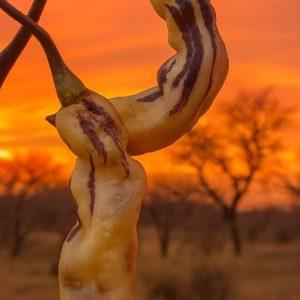
Twisted, gnarly, and contorted; often with a scorpion-like tail
Size:
4–5 cm long, 2 cm diameter
Color Stages:
Immature: green → Ripe: deep red
Wall Thickness:
Medium
Texture & Skin:
Wrinkled and blistered; surface may appear pock-marked or melted
Plant Details
Growth Habit:
Bushy
Plant Height & Width:
Height: 90–120 cm
Width: 60–80 cm
Foliage:
Dark green, slightly pubescent
Flower Color:
White with occasional purple streaks
Days to Maturity:
100–120 days from transplant
Yield:
Moderate – typically 50–80 pods per plant under optimal conditions
Cultivation Information
Seed Count per Pack:
5 or 10 seeds (Presoaking Chilli Seeds)
Germination Time:
10–14 days (Germinating Chilli Seeds)
Optimal Germination Temp:
25–30°C (Essential guide to ideal temperatures and humidity for chilli seed germination)
Light Requirements:
Filtered sun
Soil Preferences:
- pH: 6.2–6.8
- Well-draining loamy soil
- Rich in compost and organic matter (Easy DIY soil mixes)
Storage Tips:
Store seeds in airtight containers in a cool, dry environment. Refrigeration is recommended for long-term viability. Avoid exposure to moisture and direct sunlight.
Notable Compounds
Capsaicinoid Content:
High concentrations of capsaicin and dihydrocapsaicin; responsible for rapid onset and prolonged burn
Volatile Flavor Compounds:
Limonene and citral contribute to fruity aroma; trace vanillin may enhance sweetness
Anthocyanins / Pigments:
No purple pigmentation observed; coloration driven by carotenoids responsible for red hue
Culinary & Cultural Use
Traditional Uses:
Not associated with traditional recipes due to its hybrid nature. However, it has been widely adopted in:
- Artisan hot sauces
- Fermented chili pastes
- Spicy rubs for smoked meats
- Extreme heat salsas
Raw vs Cooked Flavor:
Raw pods deliver a crisp texture and bright fruitiness with immediate heat. Roasting enhances sweetness and adds depth, while pickling preserves the pod’s texture and introduces acidity. Fermentation deepens umami notes and softens the burn, making it ideal for aged sauces.
Regional Dishes:
Though not tied to a specific regional cuisine, BBG7 x Apocalypse Scorpion has featured in:
- Caribbean-style pepper sauces
- Latin American escabeche
- Southeast Asian sambals
- American-style chili blends
Storage / Drying / Preserving Tips:
- Air-drying recommended for preserving flavor and heat
- Oven drying below 50°C retains volatile compounds
- Fermentation in salt brine enhances complexity and shelf life
- Pickling in vinegar with garlic and herbs preserves both heat and aesthetics
- Freezing suitable for short-term use, though texture may degrade



Reviews
There are no reviews yet.