
Description
Product Name: Bailey Pequin
Cultivar Name: NuMex Bailey Piquin
Species: Capsicum annuum var. glabriusculum
Common Names: Bailey Pequin, NuMex Bailey Piquin, Bird Pepper
Type: Semi-domesticated Heirloom
Origin & Lineage
Geographic Origin:
Developed by the Chile Pepper Breeding Program at New Mexico State University (NMSU). Named in honor of Alton L. Bailey, NMSU’s Extension Vegetable Specialist Emeritus.
Lineage:
Selected from wild piquin populations native to Mexico, Texas, and the American Southwest. Stabilized for machine-harvestability, semi-determinate growth, and fruit separation from calyx.
Cultural Significance:
Bailey Pequin bridges the gap between wild piquin peppers and commercial cultivars. It retains the intense heat and smoky flavor of its wild ancestors while offering agronomic traits suitable for scaled production.
Lineage / Breeder History
Parentage:
Open-pollinated selections from wild Capsicum annuum var. glabriusculum populations
Hybridizer:
Dr. Paul Bosland & Jaime Iglesias, Chile Pepper Institute, NMSU
Selected Traits:
• Small, oblong fruits with intense heat
• Fruit detaches cleanly from calyx for machine harvest
• Semi-determinate growth habit
• High fruit concentration and canopy uniformity
• Smoky, nutty, citrusy flavor profile
Stabilization Status:
Stable. Released commercially in 1992 after three generations of selection.
Heat Profile
Scoville Rating (SHU): 40,000–60,000 SHU
Perceived Heat: Hot
Heat Characteristics:
Immediate tongue burn with lingering pungency. Comparable to cayenne and chiltepin. Heat intensifies as fruit ripens and concentrates in dried form.
Flavor Profile
Tasting Notes:
Smoky, nutty, and citrus-forward. Fresh pods offer a bright, peppery bite, while dried pods develop sunburnt smokiness and earthy depth.
Aftertaste / Finish:
Dry, mineral-rich finish with subtle bitterness and acidity
Ideal Pairings:
• Tomato-based sauces and stews
• Pickled condiments for tacos and sandwiches
• Infused oils and vinegars
• Dry rubs for grilled meats
• Fermented mash for smoky hot sauces
Fruit Characteristics
Shape:
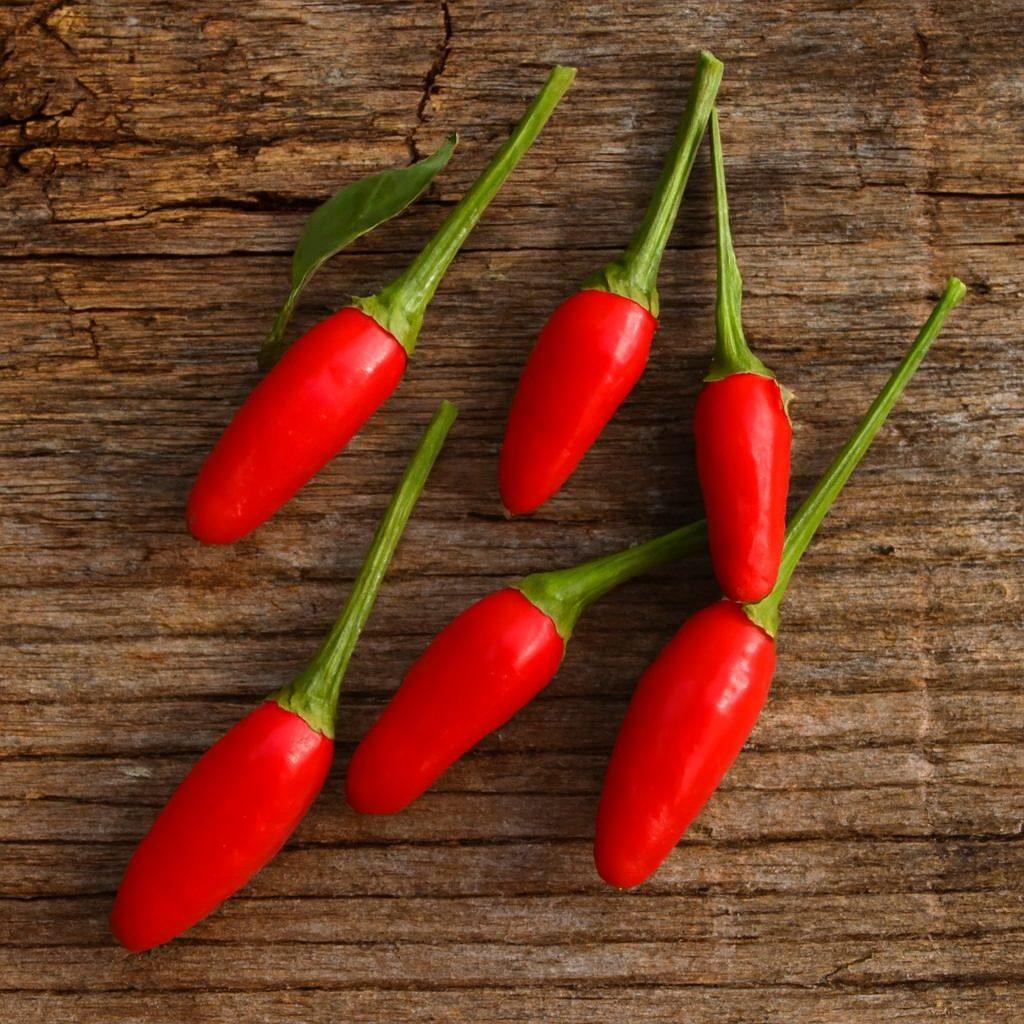
Oblong to oval; slightly elongated like a grain of rice
Size:
0.5–1 inch long; <0.5 inch wide
Color Stages:
• Immature: Green
• Ripe: Deep red
Wall Thickness:
Thin
Texture & Skin:
Glossy, smooth surface; dries well for flakes and powder
Plant Details
Growth Habit:
Semi-determinate; upright and compact
Plant Height & Width:
Height: 30–45 cm
Width: 25–35 cm
Foliage:
Bright green, ovate leaves; moderate canopy density
Flower Color:
White, single blooms without spots
Days to Maturity:
120 days from transplant
Yield:
High — optimized for concentrated fruit set and machine harvest
Bailey Pequin is ideal for container gardening, raised beds, and mechanized field production. Its compact habit and clean fruit detachment make it a standout among piquin-type cultivars.
Cultivation Information
Seed Count per Pack: 10 seeds
Germination Time: 14–21 days (Germinating Chilli Seeds)
Optimal Germination Temp: 26–30°C (Essential guide to ideal temperatures and humidity for chilli seed germination)
Light Requirements: Filtered sun
Soil Preferences:
• pH: 6.2–7.0
• Well-draining loam or sandy mix (Easy DIY soil mixes)
• Benefits from compost and calcium-rich feeding
Watering:
Moderate; avoid waterlogging. Mulch to retain moisture.
Fertilization:
Balanced NPK every 2–3 weeks. Supplement with magnesium and potassium during fruiting.
Support:
Not required; canopy remains compact
Pruning:
Pinch early growth tips to encourage branching. Remove lower leaves for airflow.
Storage Tips:
Store seeds in a cool, dry place. Refrigeration extends viability. Avoid humidity and light exposure.
Notable Compounds
Capsaicinoid Content:
High — primarily capsaicin and dihydrocapsaicin
Volatile Flavor Compounds:
Limonene, pyrazines, and esters contribute to smoky and citrus notes
Pigments:
Capsanthin (red), carotenoids (orange), flavonoids
Nutritional Value:
Rich in vitamin C, A, and antioxidants
Culinary & Cultural Use
Traditional Uses:
Used in Mexican and Southwestern U.S. cuisine for salsas, sauces, and pickling
Raw vs Cooked Flavor:
Raw: Bright, citrusy, and sharp
Cooked: Smokier, nuttier, and mellowed
Regional Dishes:
• Salsa roja with roasted Bailey Pequin
• Pickled pequin rings for tortas and tacos
• Pozole with dried Bailey Pequin infusion
• Smoked chili oil for grilled meats
• Fermented mash for barbecue sauces
Storage / Drying / Preserving Tips:
• Thin walls dry quickly for flakes and powder
• Pickles well in vinegar or brine
• Can be frozen whole or sliced
• Suitable for oil infusions and fermented mash


Reviews
There are no reviews yet.