
Description
Product Name: Aji Rico
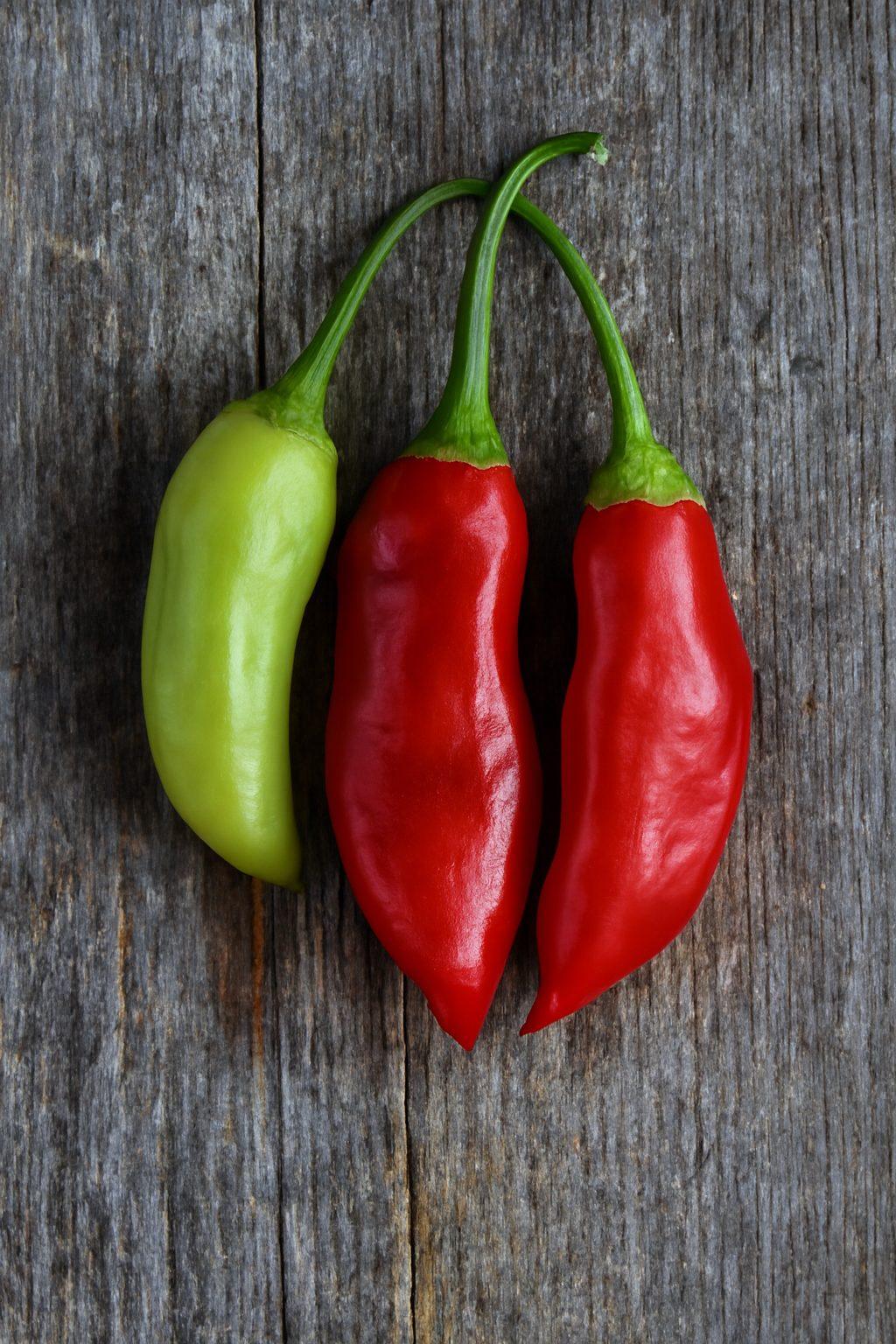
Aji Rico is a fast-maturing, high-yielding Capsicum baccatum hybrid developed for growers seeking early harvests, crisp texture, and mild heat. With its torpedo-shaped pods, thick walls, and fruity aroma, Aji Rico stands apart from traditional baccatum types by offering a compact growth habit and exceptional productivity. Bred for shorter growing seasons, this cultivar ripens faster than most baccatum varieties and is well-suited to both field and container cultivation. Its versatility in the kitchen—ranging from fresh snacking to pickling and light fermentation—makes it a favorite among chefs and gardeners alike.
- Cultivar Name: Aji Rico
- Species: Capsicum baccatum
- Common Names: None formally documented
- Type: Hybrid
Origin & Lineage
Geographic Origin:
Aji Rico was developed in the United States through a breeding program focused on improving the adaptability of baccatum peppers to temperate climates. While traditional baccatum varieties originate from South America—particularly Peru and Bolivia—Aji Rico was bred to ripen earlier and grow more compactly, making it suitable for shorter growing seasons and small-space gardens. It has since been trialed successfully in North America, Europe, and South Africa, where it performs well in warm conditions with filtered sun and well-drained soil.
Cultural Significance:
Though Aji Rico is a modern cultivar, its baccatum heritage links it to a long tradition of culinary use in Peruvian and Bolivian cuisine. Baccatum peppers are commonly used in ají sauces, stews, and pickled condiments throughout the Andes. Aji Rico continues this legacy by offering a mild, fruity heat and crisp texture that complements both traditional and contemporary dishes. Its early ripening and high yield have made it popular among market growers and home gardeners seeking reliable performance and culinary versatility.
Lineage / Hybridizer History:
Aji Rico was bred by PanAmerican Seed, a division of Ball Horticultural Company, as part of their vegetable improvement program. The goal was to create a baccatum hybrid that retained the flavor and aroma of South American ají peppers while offering earlier maturity and compact growth. The cultivar is a cross between two proprietary baccatum lines selected for fruit quality, disease resistance, and adaptability. It is an F1 hybrid, meaning it was developed through controlled pollination and exhibits uniform traits in its first generation. While seed saving is not recommended due to hybrid instability, Aji Rico is widely available through commercial seed distributors.
Heat Profile
Scoville Rating (SHU):
1,000–5,000 SHU
Perceived Heat:
Medium (1,000 to 15,000 SHU)
Heat Characteristics:
The burn delivered by Aji Rico is gentle and clean. It begins with a mild tingle on the tongue and lips, followed by a soft warmth that spreads across the palate. The heat builds slowly and fades quickly, making it suitable for fresh consumption and light cooking. Unlike superhots, which can overwhelm the palate, Aji Rico offers a balanced burn that enhances flavor without dominating it.
Flavor Profile
Tasting Notes:
Aji Rico delivers a crisp, juicy flavor with notes of red bell pepper, soft fruit, and mild earthiness. The initial bite is sweet and refreshing, followed by a subtle heat that complements rather than competes. The aroma is light and fruity, with a clean finish that makes it ideal for raw applications and quick sautés.
Aftertaste / Finish:
The finish is mild and slightly sweet, with no lingering bitterness. When roasted or grilled, the sweetness intensifies and a faint smokiness emerges. The thick walls retain moisture well, making the pepper suitable for stuffing and baking.
Ideal Pairings:
- Fresh salsas with tomato and lime
- Pickled blends with vinegar and herbs
- Stir-fries with garlic and sesame oil
- Grilled vegetable medleys
- Mild ají sauces for fish and poultry
Fruit Characteristics
Shape:
Torpedo-shaped with slight tapering; uniform across the plant
Size:
4–5 cm long, 2 cm diameter
Color Stages:
- Immature: green
- Ripe: bright red
Wall Thickness:
Thick
Texture & Skin:
Smooth and glossy; skin is firm and crunchy.
Plant Details
Growth Habit:
Compact and bushy
Plant Height & Width:
60–90 cm tall, 45–60 cm wide
Foliage:
Dark green, slightly pubescent
Flower Color:
White with greenish-yellow corolla
Days to Maturity:
75–85 days from transplanting
Yield:
High – typically 100–150 pods per plant under optimal conditions.
Cultivation Information
Seed Count per Pack:
5 or 10 seeds (Presoaking Chilli Seeds)
Germination Time:
7–14 days (Germinating Chilli Seeds)
Optimal Germination Temp:
25–30°C (Essential guide to ideal temperatures and humidity for chilli seed germination)
Light Requirements:
Filtered sun
Soil Preferences:
Well-drained loamy soil with pH between 6.0 and 6.8; enriched with compost or aged manure (Easy DIY soil mixes)
Storage Tips:
Store seeds in airtight containers in a cool, dry place. Silica gel packets may be used to reduce humidity and extend viability.
Notable Compounds
Capsaicinoid Content:
Low to moderate levels of capsaicin and dihydrocapsaicin contribute to its mild classification. These compounds are concentrated near the placenta and inner walls of the pod.
Volatile Flavor Compounds:
Trace amounts of limonene and aldehydes contribute to the pepper’s fruity aroma and clean finish. These compounds become more pronounced during roasting or fermentation.
Anthocyanins / Pigments:
No significant anthocyanin expression in ripe pods; pigmentation is dominated by carotenoids such as capsanthin and beta-carotene, responsible for the red hue.
Culinary & Cultural Use
Traditional Uses:
Aji Rico is used in a variety of culinary applications, including:
- Ají sauces with tomato and garlic
- Pickled chili medleys
- Salsas with fruit and herbs
- Mild rubs and infused oils
- Roasted pepper spreads and dips
Raw vs Cooked Flavor:
Raw pods deliver a crisp, sweet flavor with minimal heat. Cooking—especially roasting or grilling—enhances the sweetness and introduces a smoky depth. Pickling adds tang and preserves the vibrant color, while fermentation deepens the flavor and introduces subtle umami notes.
Regional Dishes:
- Peruvian ají amarillo-style sauces
- Bolivian-style pickled peppers
- South African salad garnishes
- Mexican-style chili relishes
- Mediterranean antipasti platters
Storage / Drying / Preserving Tips:
- Air-dry whole pods in shaded, ventilated areas to preserve flavor and color
- Slice and dehydrate for faster drying and powder production
- Pickle in vinegar with garlic and herbs for extended shelf life
- Ferment with salt and citrus for chili paste
- Vacuum seal dried pods to prevent oxidation and flavor degradation


Reviews
There are no reviews yet.