
Description
Product Name: Aji Limonada
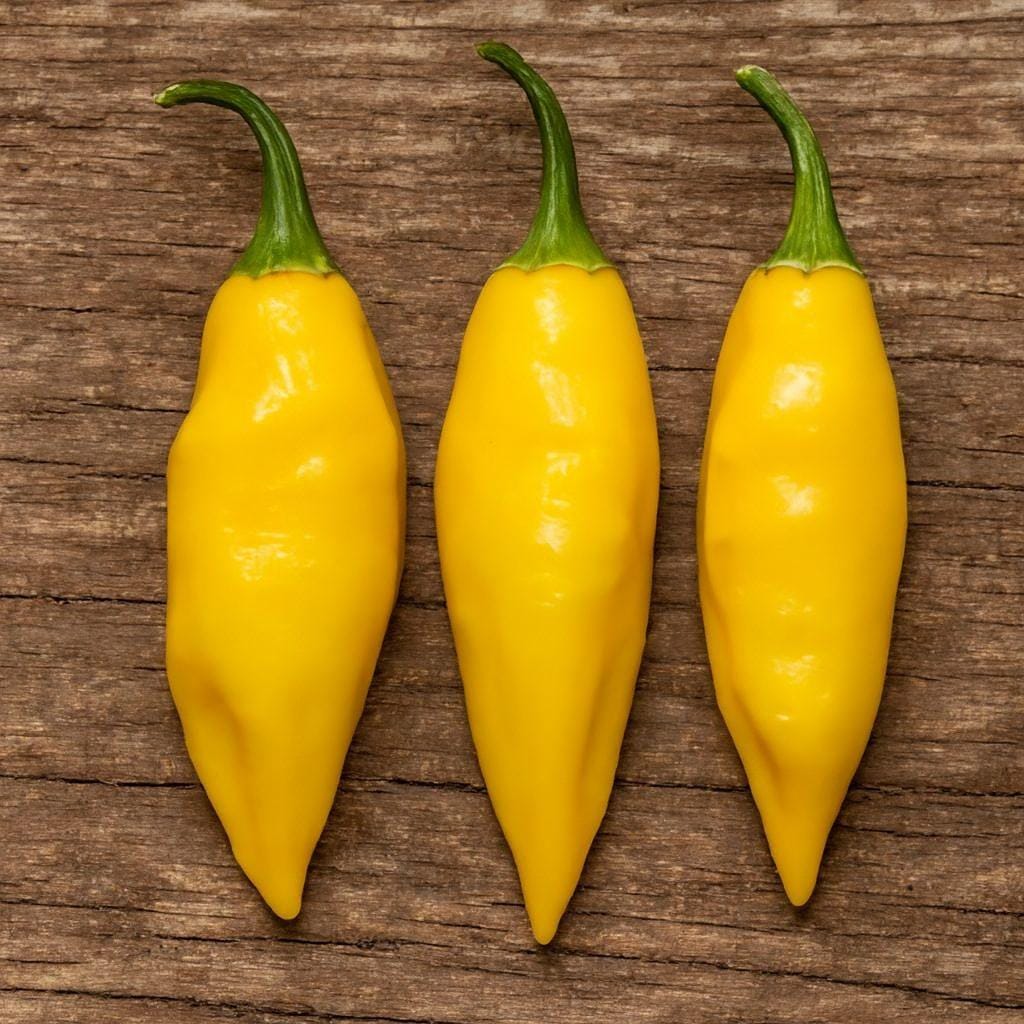
Aji Limonada is a semi-stable hybrid cultivar of Capsicum baccatum, developed for its striking citrus-forward flavor, vibrant yellow pods, and moderate heat. This variety is a refined cross between an Ethiopian tree pepper and the classic Aji Lemon, backcrossed to stabilize its fruit characteristics and flavor profile. Aji Limonada has gained recognition among growers and chefs alike for its ornamental appeal, culinary versatility, and reliable performance in both container and field cultivation. While its lineage is modern, its flavor evokes the traditional zest of South American ají peppers, making it a compelling addition to any heirloom or specialty collection.
- Cultivar Name: Aji Limonada
- Species: Capsicum baccatum
- Common Names: Lemon Drop, Hot Lemon, Aji Limo (misapplied)
- Type: Hybrid
Origin & Lineage
Geographic Origin: Aji Limonada was bred in South Africa, though its genetic roots trace back to the Andean regions of Peru and Ethiopia. The parent cultivars—Aji Lemon and an Ethiopian tree pepper—are both adapted to high-altitude, temperate climates, which contributes to Aji Limonada’s resilience and extended fruiting season. While the original Aji Lemon is native to Peru and widely grown across the Andes, the Ethiopian tree pepper lends structural vigor and branching density to the hybrid.
Cultural Significance: Ají peppers have long held cultural importance in South American cuisine, particularly in Peru, where they are used in ceviche, ají sauces, and stews. Although Aji Limonada itself is a modern hybrid, it inherits the culinary legacy of its ancestors. The bright yellow pods symbolize vibrancy and freshness, often used to elevate seafood dishes and citrus-based marinades. While not tied to ritual use, ají peppers are deeply embedded in regional identity and are frequently featured in celebratory meals and street food.
Lineage / Hybridizer History: Aji Limonada was hybridized by Tony Lague in South Africa. The initial cross involved an Ethiopian tree pepper and the Aji Lemon, followed by a backcross with Aji Lemon to reinforce its citrus flavor and pod morphology. The cultivar is currently in its F5 generation, indicating semi-stable traits with consistent fruit shape, color, and flavor. While not yet fully stabilized, it has shown reliable performance across multiple seasons and growing conditions.
Heat Profile
- Scoville Rating (SHU): 30,000–50,000 SHU
- Perceived Heat: Hot
- Heat Characteristics: Aji Limonada delivers a fast, clean burn that peaks quickly and fades without lingering bitterness. The heat is concentrated in the placenta and seeds, making it easy to modulate in culinary applications. When dried, the heat intensifies slightly, offering a sharper edge suitable for spice blends and infused oils.
Flavor Profile
- Tasting Notes: Bright citrus with dominant lemon and lemongrass notes, underpinned by subtle floral and grassy tones.
- Aftertaste / Finish: Clean and slightly acidic, with a refreshing tang that complements its heat.
- Ideal Pairings: Pairs exceptionally well with seafood, tropical fruits, garlic, and fresh herbs. Ideal for ceviche, citrus-based salsas, and pickled preparations. Also complements grilled chicken, tofu, and light cheeses.
Fruit Characteristics
- Shape: Slender, conical, and slightly curved
- Size: 4–5 cm long, 1–1.5 cm diameter
- Color Stages: Immature: green → Ripe: bright lemon yellow
- Wall Thickness: Thin
- Texture & Skin: Smooth with occasional wrinkling near the tip; glossy surface
Plant Details
- Growth Habit: Bushy with upright branching
- Plant Height & Width: 60–90 cm tall, 40–60 cm wide
- Foliage: Dark green, slightly pubescent
- Flower Color: White with greenish-yellow spots at the base
- Days to Maturity: 80–100 days from germination
- Yield: High – typically 100–150 pods per plant under optimal conditions
Cultivation Information
- Seed Count per Pack: 5 or 10 seeds (Presoaking Chilli Seeds)
- Germination Time: 10–14 days (Germinating Chilli Seeds)
- Optimal Germination Temp: 25–30°C (Essential guide to ideal temperatures and humidity for chilli seed germination)
- Light Requirements: Filtered sun
- Soil Preferences: Prefers well-drained loamy soil with pH 6.0–6.5. Enrich with compost and potassium for optimal fruiting (Easy DIY soil mixes)
- Storage Tips: Store seeds in airtight containers in a cool, dry place. Avoid exposure to light and moisture to maintain viability for up to 3 years.
Notable Compounds
- Capsaicinoid Content: Contains capsaicin and dihydrocapsaicin, contributing to its sharp heat
- Volatile Flavor Compounds: High in limonene, which imparts its lemon-like aroma; trace amounts of vanillin and citral may be present
- Anthocyanins / Pigments: Minimal anthocyanin expression; yellow coloration driven by carotenoids such as capsanthin and capsorubin
Culinary & Cultural Use
- Traditional Uses: Used in ají sauces, citrus salsas, pickled condiments, and seafood marinades. Often added fresh to ceviche or blended into hot sauces.
- Raw vs Cooked Flavor: Raw pods offer crisp texture and bright acidity. Cooking enhances sweetness and softens the citrus edge. Roasting adds depth and a smoky undertone, while pickling preserves both heat and aroma.
- Regional Dishes: Commonly featured in Peruvian ceviche, ají amarillo sauces, and citrus-based marinades. Also used in South African fusion dishes and modern Latin American cuisine.
- Storage / Drying / Preserving Tips: Dry pods in shaded, ventilated areas to retain color and flavor. Once dried, they may be ground into powder or stored whole. Fermentation with garlic and citrus yields a robust, shelf-stable condiment.


Reviews
There are no reviews yet.