

Description
Aji Jobito
Product Name: Aji Jobito
Cultivar Name: Aji Jobito
Species: Capsicum chinense
Common Names: Aji Dulce Jobito
Type: heirloom
Origin & Lineage
Geographic Origin:
Aji Jobito is a rare heirloom variety native to Venezuela, specifically originating from the Cumana region in the eastern part of the country. Historical cultivation records place its earliest propagation near the coastal town of Marigüitar, close to the Cariaco Gulf. Today, it is primarily grown in Cumanacoa, where its unique flavor and mild heat have earned it a place in local culinary traditions. Despite its regional importance, Aji Jobito remains largely unknown even within Venezuela, making it one of the most elusive cultivars in the Aji Dulce family.
Cultural Significance:
In Venezuelan cuisine, Aji Dulce varieties are indispensable, and Aji Jobito is no exception. It is used extensively in sofritos, stews, and seafood dishes, particularly in coastal communities where fishing is a primary livelihood. While not associated with ritual use, its culinary role is deeply embedded in the cultural fabric of eastern Venezuela. The name “Jobito” is derived from “Jobo,” a native fruit that resembles the pepper in shape and color, suggesting a folkloric connection between the two. Its use in family recipes and local markets reflects a quiet reverence for its flavor and versatility.
Lineage / Hybridizer History:
Aji Jobito is a naturally occurring landrace within the Capsicum chinense species. It was first distributed internationally by Lindberg and Joe Delaney, who recognized its exceptional flavor and rarity. Unlike many Aji peppers that belong to the baccatum species, Jobito is firmly rooted in the chinense lineage, sharing distant genetic ties with Aji Panca and other sweet chinense cultivars. It has not been hybridized and remains open-pollinated, making it suitable for seed saving and long-term preservation. Its stability across generations has been confirmed by growers in North and South America.
Heat Profile
Scoville Rating (SHU):
0–1,000 SHU
Perceived Heat:
Mild (50 to 1,000 SHU)
Heat Characteristics:
Aji Jobito is celebrated for its minimal heat, often described as “barely detectable.” The burn, if present, is soft and fleeting, allowing the pepper’s complex flavor to take center stage. Drying the pods may slightly intensify the heat, but even then, it remains well within the mild category. This makes it ideal for those who seek the aromatic qualities of chinense peppers without the overwhelming spice.
Flavor Profile
Tasting Notes:
The flavor of Aji Jobito is rich, sweet, and layered. It opens with notes reminiscent of dark brown sugar and ripe persimmons, followed by a subtle nuttiness akin to raw almonds or Brazil nuts. A faint chinense aroma lingers in the background, adding depth without overpowering the sweetness.
Aftertaste / Finish:
The finish is smooth and slightly oily, with a lingering richness that evokes tropical fruits like mamey sapote. There is no bitterness or harshness, and the flavor remains consistent whether the pod is fresh or cooked.
Ideal Pairings:
- Sofritos and aromatic bases
- Seafood stews and broths
- Rice and bean dishes
- Egg-based preparations
- Fresh salads and salsas
Fruit Characteristics
Shape:
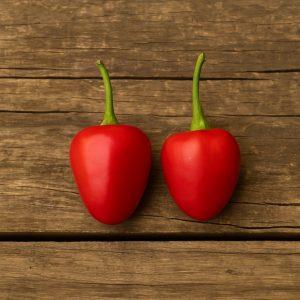
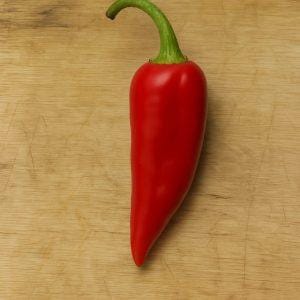
Oval, slightly flattened
Size:
4 cm long, 3 cm diameter
Color Stages:
Immature: light green → Ripe: vibrant orange or yellow
Wall Thickness:
Thick
Texture & Skin:
Smooth and glossy
Plant Details
Growth Habit:
Bushy
Plant Height & Width:
Height: 100–150 cm
Width: 60–90 cm
Foliage:
Dark green, slightly pubescent
Flower Color:
White
Days to Maturity:
120–130 days from transplant
Yield:
Moderate – typically 50–80 pods per plant
Cultivation Information
Seed Count per Pack:
5 or 10 seeds (Presoaking Chilli Seeds)
Germination Time:
7–14 days (Germinating Chilli Seeds)
Optimal Germination Temp:
25–30°C (Essential guide to ideal temperatures and humidity for chilli seed germination)
Light Requirements:
Filtered sun
Soil Preferences:
- pH: 6.0–6.8
- Well-draining loam or sandy soil
- Rich in compost and organic matter (Easy DIY soil mixes)
Storage Tips:
Store seeds in airtight containers in a cool, dry place. Avoid exposure to moisture and direct sunlight. Refrigeration is recommended for long-term viability.
Notable Compounds
Capsaicinoid Content:
Negligible capsaicin and dihydrocapsaicin; classified as non-pungent
Volatile Flavor Compounds:
Trace amounts of limonene and esters contribute to its fruity aroma; vanillin presence unconfirmed
Anthocyanins / Pigments:
No purple pigmentation; coloration is driven by carotenoids responsible for orange and yellow hues
Culinary & Cultural Use
Traditional Uses:
Aji Jobito is a staple in:
- Sofritos and aromatic bases
- Stews and soups
- Seafood dishes
- Fresh salsas and marinades
- Egg and rice preparations
Raw vs Cooked Flavor:
Raw pods deliver a crisp texture and sweet, nutty flavor. Cooking enhances the richness and brings out deeper fruit notes. Roasting adds a mild smokiness, while pickling preserves the sweetness and texture. Fermentation introduces umami depth without compromising the pepper’s aromatic profile.
Regional Dishes:
- Venezuelan sofrito (base for many dishes)
- Caldo de pescado (fish broth)
- Arroz con mariscos (seafood rice)
- Huevos revueltos con ají dulce (scrambled eggs with sweet pepper)
Storage / Drying / Preserving Tips:
- Air-drying is effective due to thick walls
- Oven drying below 50°C retains volatile compounds
- Pickling in vinegar with garlic and herbs preserves flavor and color
- Fermentation in salt brine enhances complexity
- Freezing is suitable for short-term use but may affect texture


Reviews
There are no reviews yet.