
Description
Product Name: Aci Sivri
Cultivar Name: Aci Sivri
Species: Capsicum annuum
Common Names: Aci Sivri, Aci Sivri Biber, Turkish Cayenne
Type: Heirloom
Origin & Lineage
Geographic Origin:
Aci Sivri is a traditional Turkish heirloom pepper cultivated for centuries across Anatolia and the Balkans. The name translates directly to “Hot Pointed” in Turkish (“acı” meaning hot, “sivri” meaning pointed), describing both its pungency and tapered shape. It is widely grown in rural Turkish farms, especially in cooler regions with shorter growing seasons.
Cultural Significance:
Aci Sivri is a staple in Turkish cuisine, used fresh, dried, or powdered in dishes ranging from grilled meats to vegetable stews. It is one of the most commonly grown peppers in Turkey and has been introduced to global seed markets through heritage seed companies since the 1990s.
Lineage / Hybridizer History
Parentage:
Open-pollinated Turkish landrace. No known hybridization.
Hybridizer:
Not applicable — traditional cultivar
Selected Traits:
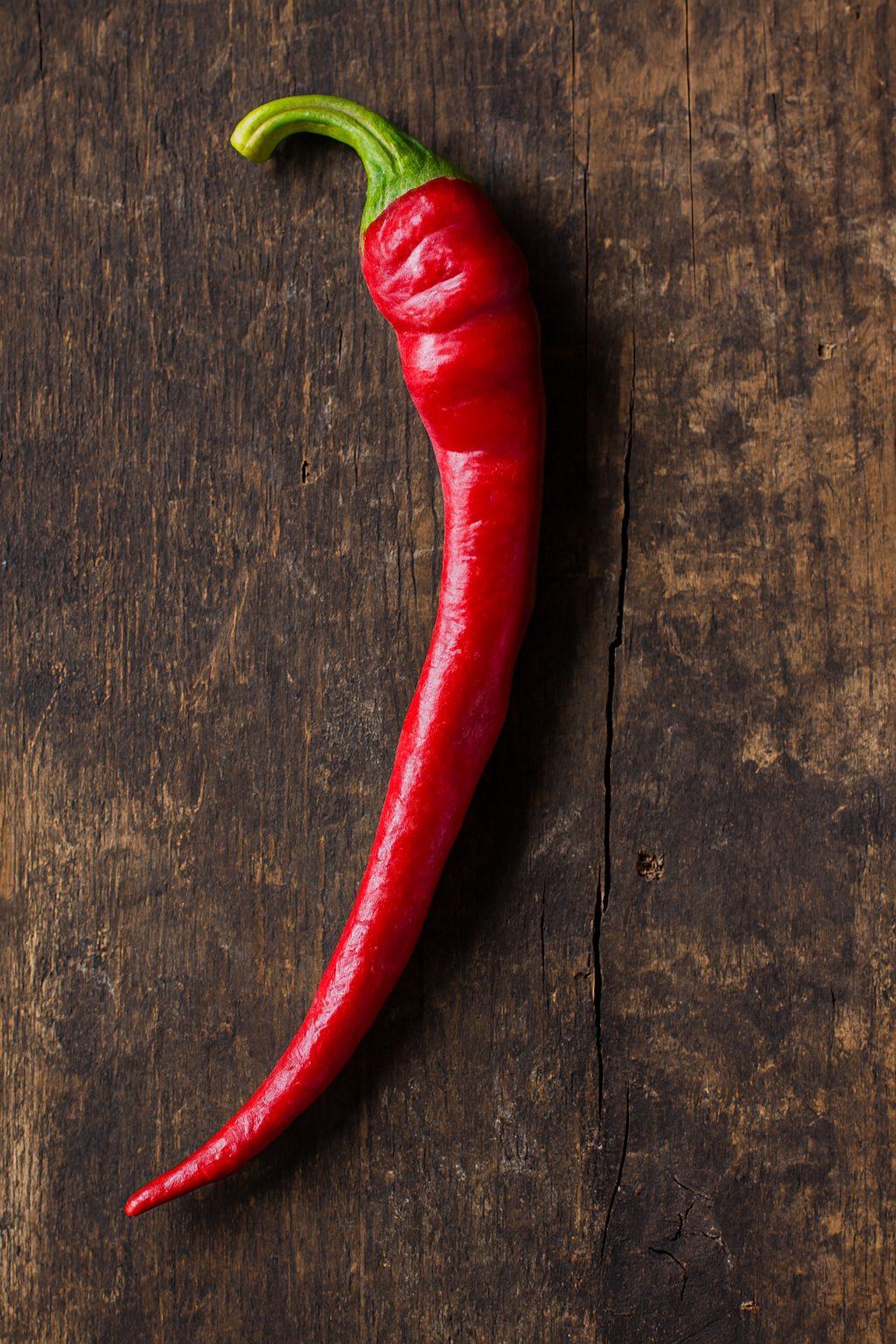
• Long, slender, twisted pods
• Glossy red ripening stage
• Moderate to high heat variability
• High productivity in short-season climates
• Excellent drying and powdering characteristics
Stabilization Status:
Heirloom. Stable and true to type across generations.
Heat Profile
Scoville Rating (SHU): 5,000–50,000 SHU
Perceived Heat: Medium to hot
Heat Characteristics:
Heat varies significantly by growing conditions and individual plant. Some pods deliver a sharp cayenne-like burn, while others are milder. Heat is concentrated in the placenta and tip. Traditionally eaten green for milder flavor, or red for full heat.
Flavor Profile
Tasting Notes:
Bright, fruity, and grassy with subtle bitterness from the placenta. The flavor is clean and crisp, with a cayenne-like tang and a hint of sweetness beneath the heat. Aroma is mild, with red pepper notes and no floral overtones.
Aftertaste / Finish:
Lingering heat with a dry, slightly bitter finish. Best balanced with acidic or fatty ingredients.
Ideal Pairings:
• Turkish grilled meats and kebabs
• Tomato-based stews and sauces
• Yogurt dips and meze platters
• Pickled rings for sandwiches and wraps
• Dried flakes for spice blends and rubs
Fruit Characteristics
Shape:
Slender, tapered pods with slight twisting and wrinkling
Size:
12–20 cm long, 1–2 cm wide
Color Stages:
• Immature: Pale green
• Mid-stage: Glossy light green
• Ripe: Vibrant red
• Overripe: Deep crimson
Wall Thickness:
Thin
Texture & Skin:
Smooth, glossy skin with slight wrinkling. Flesh is crisp when fresh, dries quickly when hung.
Plant Details
Growth Habit:
Tall, upright, and branching
Plant Height & Width:
Height: 90–120 cm
Width: 40–60 cm
Foliage:
Medium green, ovate leaves with sparse canopy
Flower Color:
White
Days to Maturity:
90–120 days from transplant
Yield:
High — typically 50+ pods per plant under optimal conditions
Aci Sivri thrives in cooler climates and short-season regions. It is well-suited to open-field cultivation and performs reliably in containers with proper support.
Cultivation Information
Seed Count per Pack: 10 seeds
Germination Time: 10–20 days (Germinating Chilli Seeds)
Optimal Germination Temp: 24–30°C (Essential guide to ideal temperatures and humidity for chilli seed germination)
Light Requirements: Full sun
Soil Preferences:
• pH: 6.2–7.0
• Loamy, well-draining soil enriched with compost (Easy DIY soil mixes)
• Benefits from calcium and phosphorus supplementation
Watering:
Maintain consistent moisture. Avoid overwatering. Mulch to retain soil moisture.
Fertilization:
Apply balanced NPK fertilizer every 2–3 weeks. Supplement with calcium to prevent blossom-end rot.
Support:
Staking recommended due to tall growth and heavy fruit load
Pruning:
Pinch growing tips to encourage branching. Remove lower leaves to improve airflow.
Storage Tips:
Store seeds in a cool, dry place. Refrigeration at 4–8°C extends viability. Avoid humidity and light exposure.
Notable Compounds
Capsaicinoid Content:
Variable — primarily capsaicin and dihydrocapsaicin
Volatile Flavor Compounds:
Hexanal, trans-2-hexenal, and esters contribute to grassy and fruity aroma
Pigments:
Coloration driven by capsanthin and beta-carotene
Nutritional Value:
High in vitamin C and antioxidants. Contains dietary fiber and trace minerals.
Culinary & Cultural Use
Traditional Uses:
• Fresh in Turkish salads and meze
• Dried and ground into pul biber (chili flakes)
• Pickled whole or sliced
• Roasted and served with olive oil and garlic
• Powdered for spice blends and marinades
Raw vs Cooked Flavor:
Raw: Crisp, grassy, and mildly sweet
Cooked: Intensified heat and bitterness with softened texture
Regional Dishes:
• Menemen (Turkish scrambled eggs with peppers)
• Kebab marinades and grilled accompaniments
• Dolma (stuffed vegetables)
• Pickled Sivri peppers for winter storage
• Pul biber for seasoning soups and stews
Storage / Drying / Preserving Tips:
• Ideal for air-drying on strings or racks
• Can be ground into flakes or powder
• Pickles well in vinegar brine
• Freezes whole or sliced with minimal texture loss



Reviews
There are no reviews yet.