

Description
Product Name: 7JPN Light
Cultivar Name: 7JPN Light
Species: Capsicum chinense
Common Names: 7JPN Light
Type: Unstable Hybrid
Origin & Lineage
Geographic Origin:
7JPN Light was developed in Italy by breeder Rocco Maltesi, as a phenotypic variant of the original 7JPN cross. The base hybrid—7 Pot Jonah × Pimenta de Neyde—was selected for its striking pigmentation and superhot potential. The “Light” variant emerged through generational selection for lighter pod coloration, reduced anthocyanin expression, and enhanced fruit complexity.
Cultural Significance:
This cultivar is part of a new wave of European superhot breeding, emphasizing visual spectacle, flavor layering, and collector-grade appeal. It is grown by enthusiasts and specialty producers across Europe, South Africa, and North America.
Lineage / Hybridizer History
Parentage:
7 Pot Jonah × Pimenta de Neyde
(7JPN Light is a phenotypic selection from the broader 7JPN line)
Hybridizer:
Rocco Maltesi (Italy)
Selected Traits:
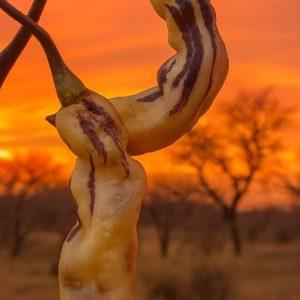
• Pods transition from deep purple to orange with spectral striping
• Wrinkled, blistered skin with thick walls
• Fruity aroma with floral and earthy undertones
• Creeping heat with throat and chest burn
• High ornamental value and foliage pigmentation
Stabilization Status:
Unstable hybrid. Released in F6–F7 form. Phenotypic variation remains in pod shape, color, and heat intensity.
Heat Profile
Scoville Rating (SHU): Estimated 300,000–500,000 SHU
Perceived Heat: Extremely hot
Heat Characteristics:
Delayed onset with creeping intensity. Initial bite may seem mild, but heat builds over 1–2 minutes, concentrating in the throat, chest, and lips. Placental tissue is extremely pungent. Skin and outer flesh are milder. Heat varies by pod and growing conditions.
Flavor Profile
Tasting Notes:
Juicy and fruity with notes of apple, papaya, and light floral esters. The skin delivers a crisp crunch and mild sweetness. The placenta introduces bitterness and earthy depth, which can be overpowering if not balanced.
Aftertaste / Finish:
Lingering floral bitterness with a dry, smoky finish. Best used in blends or diluted formats.
Ideal Pairings:
• Fermented hot sauces with fruit bases
• Pickled slices for charcuterie and cheese boards
• Roasted and blended into chili pastes
• Infused oils and vinegars
• Powdered for spice blends with citrus or berry notes
Fruit Characteristics
Shape:
Wrinkled, blistered pods with irregular lobing. Some pods are round and squat; others elongated.
Size:
3–5 cm long, 2–3 cm wide
Color Stages:
• Immature: Deep purple
• Mid-stage: Mottled purple-orange
• Ripe: Bright orange with residual striping
• Overripe: Burnt orange with fading anthocyanins
Wall Thickness:
Thick
Texture & Skin:
Blistered, glossy skin with firm, juicy flesh. High oil content in placenta.
Plant Details
Growth Habit:
Tall, upright, and branching
Plant Height & Width:
Height: 100–140 cm
Width: 60–80 cm
Foliage:
Dark green with purple veining and anthocyanin spotting
Flower Color:
White with purple corolla accents
Days to Maturity:
90–100 days from transplant
Yield:
Moderate — typically 30–50 pods per plant under optimal conditions
7JPN Light plants are vigorous but require heat, light, and nutrient support to reach full potential. Best suited to greenhouse or protected outdoor cultivation.
Cultivation Information
Seed Count per Pack: 10 seeds
Germination Time: 7–14 days (Germinating Chilli Seeds)
Optimal Germination Temp: 26–32°C (Essential guide to ideal temperatures and humidity for chilli seed germination)
Light Requirements: Full sun or supplemental grow lighting
Soil Preferences:
• pH: 6.0–6.5
• Rich, well-draining loam with compost (Easy DIY soil mixes)
• Benefits from calcium and potassium supplementation
Watering:
Maintain consistent moisture. Avoid waterlogging. Mulch to retain soil moisture.
Fertilization:
Apply high-nitrogen fertilizer during vegetative growth. Switch to potassium-rich feed during flowering and fruiting. Supplement with magnesium and calcium.
Support:
Staking recommended due to tall growth and heavy fruit load
Pruning:
Pinch growing tips to encourage branching. Remove lower leaves to improve airflow.
Storage Tips:
Store seeds in a cool, dry place. Refrigeration at 4–8°C extends viability. Avoid humidity and light exposure.
Notable Compounds
Capsaicinoid Content:
High — primarily capsaicin, dihydrocapsaicin, and nordihydrocapsaicin
Volatile Flavor Compounds:
Linalool, methyl anthranilate, and esters contribute to fruity aroma
Pigments:
Coloration driven by anthocyanins, capsanthin, and beta-carotene
Nutritional Value:
High in vitamin C and antioxidants. Contains dietary fiber and trace minerals.
Culinary & Cultural Use
Traditional Uses:
Modern cultivar with no historical culinary lineage. Popular in fermented sauces, infused oils, and collector-grade spice blends.
Raw vs Cooked Flavor:
Raw: Fruity, floral, and bitter
Cooked: Intensified bitterness with mellowed sweetness
Regional Dishes:
• Fermented fruit-based hot sauces
• Pickled slices for antipasti and tapas
• Roasted and blended into chili pastes
• Infused oils for gourmet applications
• Powdered for rubs and seasoning blends
Storage / Drying / Preserving Tips:
• Suitable for fermentation and pickling
• Can be dried whole or sliced
• Powder retains color and aroma
• Freezes well with minimal texture loss



Reviews
There are no reviews yet.