
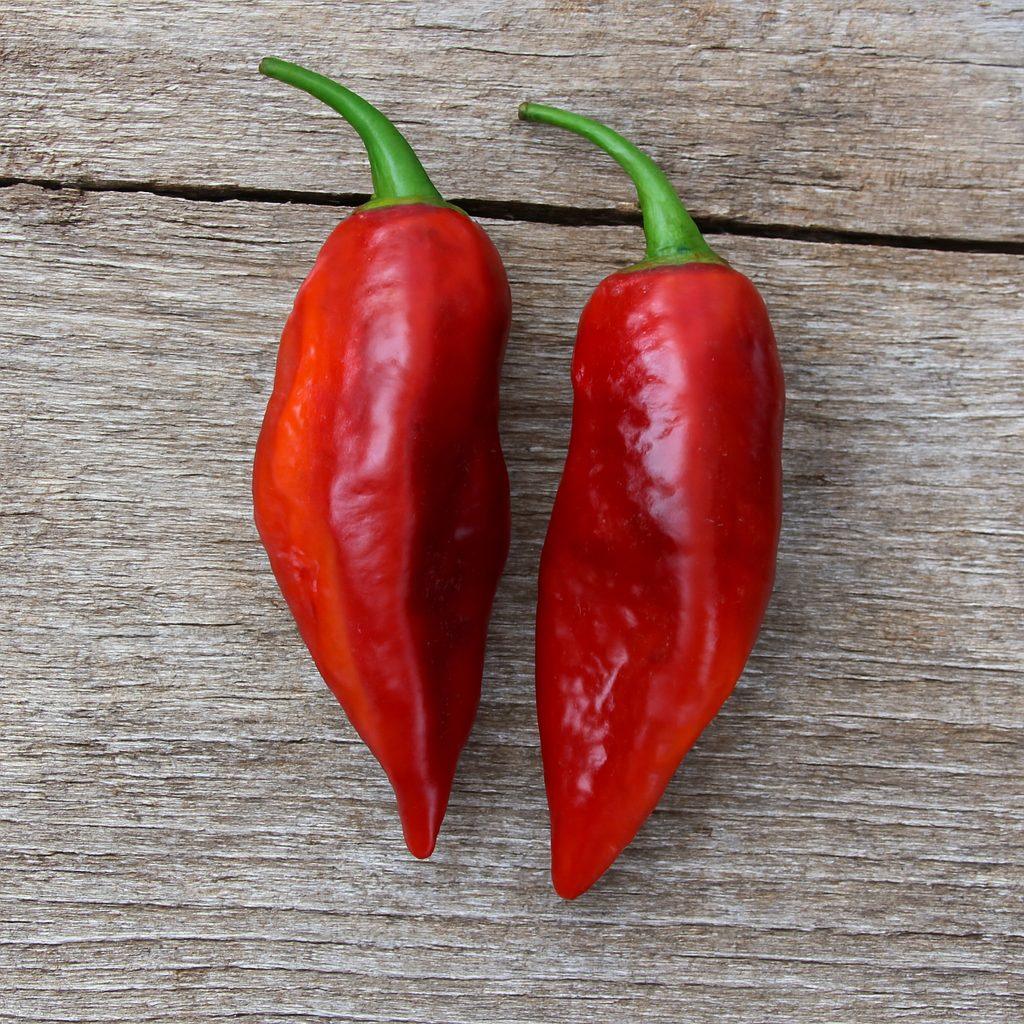
Description
Product Name: 7JPN Dark
Cultivar Name: 7JPN Dark
Species: Capsicum chinense
Common Names: 7JPN Dark
Type: Unstable Hybrid
Origin & Lineage
Geographic Origin:
7JPN Dark is a modern hybrid developed in the United States by breeder Ryan Dulac, and distributed through niche vendors. It is the result of a deliberate cross between two iconic superhot cultivars: 7 Pot Jonah (Trinidad origin) and Pimenta de Neyde (Brazil origin). The goal was to combine the extreme heat and wrinkled pod structure of the Jonah with the dark pigmentation and floral notes of the Neyde.
Cultural Significance:
This cultivar is part of a new wave of ornamental superhots bred for visual impact, complex flavor, and collector appeal. It is favored by growers for its dark foliage, dramatic color transitions, and high pungency. Though not yet stabilized, it has gained traction among chili collectors and sauce makers seeking unique aesthetics and bold heat.
Lineage / Hybridizer History
Parentage:
• 7 Pot Jonah (Capsicum chinense)
• Pimenta de Neyde (Capsicum chinense)
Hybridizer:
Ryan Dulac (USA)
Selected Traits:
• Dark purple foliage with green blotching
• Pods ripen from black to apricot-orange or burnt red
• Wrinkled, blistered skin with thick placenta
• Creeping, throat-forward heat
• Fruity aroma with bitter undertones
Stabilization Status:
Unstable hybrid. Distributed in early filial generations (F2–F3). Phenotypic variation expected in pod shape, color, and pungency.
Heat Profile
Scoville Rating (SHU): Estimated 400,000–600,000 SHU
Perceived Heat: Extremely hot
Heat Characteristics:
Delayed onset with a creeping burn that intensifies over 1–2 minutes. Heat concentrates in the placenta and inner walls, producing a throat and chest burn with minimal tongue impact. Comparable to 7 Pot variants and other superhots in the Jonah lineage.
Flavor Profile
Tasting Notes:
Juicy and fruity with notes of apple, papaya, and light floral bitterness. The skin offers a crisp crunch, while the placenta introduces a sharp, bitter edge. Best flavor is found in the outer flesh; placenta is often too bitter for direct use.
Aftertaste / Finish:
Lingering bitterness with a dry floral finish
Ideal Pairings:
• Fermented sauces with fruit bases
• Roasted chili pastes with garlic and vinegar
• Infused oils for finishing dishes
• Superhot powders and flakes
• Decorative pickled pods (for visual use only)
Fruit Characteristics
Shape:
Wrinkled, blistered pods; mostly round with occasional elongation
Size:
2.5–4 cm wide, 3–5 cm tall
Color Stages:
• Immature: Deep black or purple
• Mid-stage: Burnt orange with purple blotching
• Ripe: Apricot-orange or reddish-orange
• Overripe: May deepen to crimson with residual purple
Wall Thickness:
Medium to thick
Texture & Skin:
Blistered, bumpy skin with firm flesh. High oil content. Not ideal for fresh slicing due to bitterness.
Plant Details
Growth Habit:
Medium-tall, upright with branching canopy
Plant Height & Width:
Height: 80–120 cm
Width: 60–90 cm
Foliage:
Dark purple to black leaves with green blotches; high anthocyanin expression
Flower Color:
White with purple-tinged corolla (typical of Pimenta de Neyde crosses)
Days to Maturity:
100–120 days from transplant
Yield:
Moderate — 20–40 pods per plant under optimal conditions
Cultivation Information
Seed Count per Pack: 10 seeds
Germination Time: 10–14 days (Germinating Chilli Seeds)
Optimal Germination Temp: 26–30°C (Essential guide to ideal temperatures and humidity for chilli seed germination)
Light Requirements: Full sun
Soil Preferences:
• pH: 6.0–6.8
• Rich, well-draining loam (Easy DIY soil mixes)
• Benefits from compost and potassium-rich feeding
Watering:
Consistent moisture; avoid waterlogging. Mulch recommended.
Fertilization:
Balanced NPK every 3–4 weeks. Supplement with calcium and magnesium during fruiting.
Support:
Staking recommended due to pod weight and branching
Pruning:
Encouraged for airflow and canopy control. Responds well to topping and side-branching.
Storage Tips:
Store seeds in a cool, dry place. Refrigeration at 4–8°C extends viability. Avoid humidity and light exposure.
Notable Compounds
Capsaicinoid Content:
High — primarily capsaicin and dihydrocapsaicin
Volatile Flavor Compounds:
Linalool, geraniol, and esters contribute to fruity aroma
Pigments:
Anthocyanins (purple), capsanthin, and beta-carotene drive color transitions
Nutritional Value:
High in vitamin C and antioxidants. Contains dietary fiber and trace minerals.
Culinary & Cultural Use
Traditional Uses:
None — modern hybrid with no traditional culinary history. Used in experimental sauces and ornamental pickling.
Raw vs Cooked Flavor:
Raw: Fruity with bitter placenta
Cooked: Bitterness intensifies; best used in blended sauces
Regional Dishes:
• Superhot chili pastes
• Fermented fruit-based sauces
• Infused oils for finishing
• Decorative pickled pods (non-edible garnish)
Storage / Drying / Preserving Tips:
• Suitable for drying into flakes or powder
• Can be fermented for sauces
• Freezes well whole or sliced
• Preserves in vinegar or oil infusions (for visual use



Reviews
There are no reviews yet.