
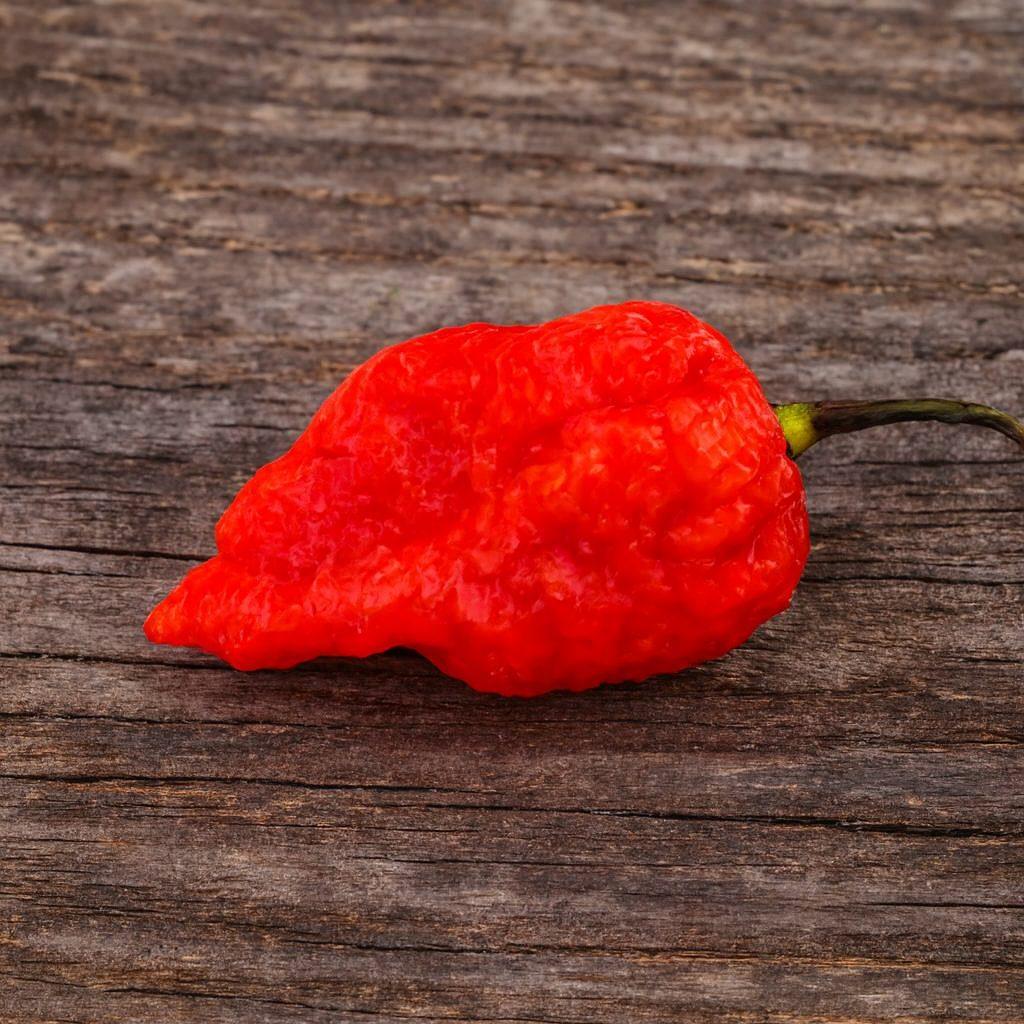
Description
Product Name: 7 Pot Lava Red
Cultivar Name: 7 Pot Lava Red
Species: Capsicum chinense
Common Names: Lava Red, 7 Pot Lava, Lava Scorpion
Type: Semi-Stable Superhot Hybrid
Origin & Lineage
Geographic Origin:
United States, with ancestral ties to Trinidad and Tobago through both parent strains.
Cultural Significance:
7 Pot Lava Red is a modern superhot hybrid, bred for volcanic heat, molten red coloration, and Scorpion-style pod morphology. It is prized among collectors and sauce makers for its intense pungency, fruit-forward aroma, and consistent pod structure.
Lineage / Breeder History
Parentage:
Trinidad Moruga Scorpion × 7 Pot Primo
Hybridizer:
Originally crossed by Judy from Tennessee, USA
Selected Traits:
• Wrinkled, Scorpion-style pods with stinger tip
• Vibrant red color resembling molten lava
• Fruity aroma with floral and earthy undertones
• High capsaicinoid saturation
• Uniform pod shape across generations (F4–F5)
Stabilization Status:
Semi-stable hybrid. Expressed in F4–F5 generations. Minor variation in pod size and tail formation may occur.
Heat Profile
Scoville Rating (SHU): Estimated 1,000,000–1,800,000 SHU
Perceived Heat: Superhot
Heat Characteristics:
Immediate and aggressive burn, with throat-forward intensity and lingering sting. Comparable to 7 Pot Primo and Carolina Reaper in peak burn. Handle with gloves and avoid mucosal contact.
Flavor Profile
Tasting Notes:
Bright, fruity top notes with floral bitterness and earthy depth. Flavor is perceptible before heat overwhelms the palate.
Aftertaste / Finish:
Dry, acrid finish with residual bitterness
Ideal Pairings:
• Fermented sauces with mango, garlic, and vinegar
• Superhot chili pastes for stews and braais
• Dried flakes for collector-grade spice blends
• Infused oils for micro-dosing
• Extreme heat marinades and rubs
Fruit Characteristics
Shape:
Wrinkled, elongated pods with Scorpion-style tail
Size:
4–6 cm long, 2–2.5 cm wide
Color Stages:
• Immature: Pale green
• Mid-stage: Orange-red
• Ripe: Vibrant lava red
Wall Thickness:
Medium
Texture & Skin:
Highly blistered and wrinkled surface with dense placental tissue. High oil saturation.
Plant Details
Growth Habit:
Upright and bushy with moderate branching
Plant Height & Width:
Height: 90–120 cm
Width: 60–80 cm
Foliage:
Dark green leaves with occasional purple veining under stress
Flower Color:
White with purple anthers
Days to Maturity:
110–150 days from transplant
Yield:
Moderate to high — typically 60–100 pods per plant under optimal conditions
Cultivation Information
Seed Count per Pack: 10 seeds
Germination Time: 10–14 days (Germinating Chilli Seeds)
Optimal Germination Temp: 26–32°C (Essential guide to ideal temperatures and humidity for chilli seed germination)
Light Requirements: Filtered sun
Soil Preferences:
• pH: 6.0–6.5
• Rich, well-draining loam with compost (Easy DIY soil mixes)
• Benefits from calcium and potassium supplementation
Watering:
Maintain consistent moisture. Avoid waterlogging. Mulch to retain soil moisture.
Fertilization:
High-nitrogen feed during vegetative growth. Switch to potassium-rich fertilizer during flowering and fruiting. Supplement with magnesium and calcium.
Support:
Staking recommended due to pod weight and plant height
Pruning:
Pinch growing tips to encourage branching. Remove lower leaves to improve airflow.
Storage Tips:
Store seeds in a cool, dry place. Refrigeration at 4–8°C extends viability. Avoid humidity and light exposure.
Notable Compounds
Capsaicinoid Content:
Extremely high — primarily capsaicin, dihydrocapsaicin, and nordihydrocapsaicin
Volatile Flavor Compounds:
Linalool, methyl anthranilate, and esters contribute to fruity aroma
Pigments:
Capsanthin (red), beta-carotene
Nutritional Value:
High in vitamin C, antioxidants, and capsaicinoids
Culinary & Cultural Use
Traditional Uses:
Modern hybrid with no historical culinary lineage. Used in extreme sauces, extracts, and chili challenges.
Raw vs Cooked Flavor:
Raw: Bright, fruity, and floral
Cooked: Earthy, smoky, and bitter with intensified heat
Regional Dishes:
• Trinidad-style pepper mash
• Lava-infused vinegar
• Superhot chili oil for micro-dosing
• Scorpion BBQ rubs and sauces
• Dried powder for extreme heat seasoning
Storage / Drying / Preserving Tips:
• Pods dry well for powder or flakes
• Can be frozen whole or sliced
• Suitable for fermentation and oil infusions
• Handle with gloves and eye protection


Reviews
There are no reviews yet.