
Description
Product Name: 7 Pot Douglah Chilli Seeds
Species: Capsicum chinense
Common Names: 7 Pot Douglah, Chocolate 7 Pot, Douglah 7 Pod
Type: Landrace-derived Hybrid
Origin & Lineage
Geographic Origin: Trinidad and Tobago
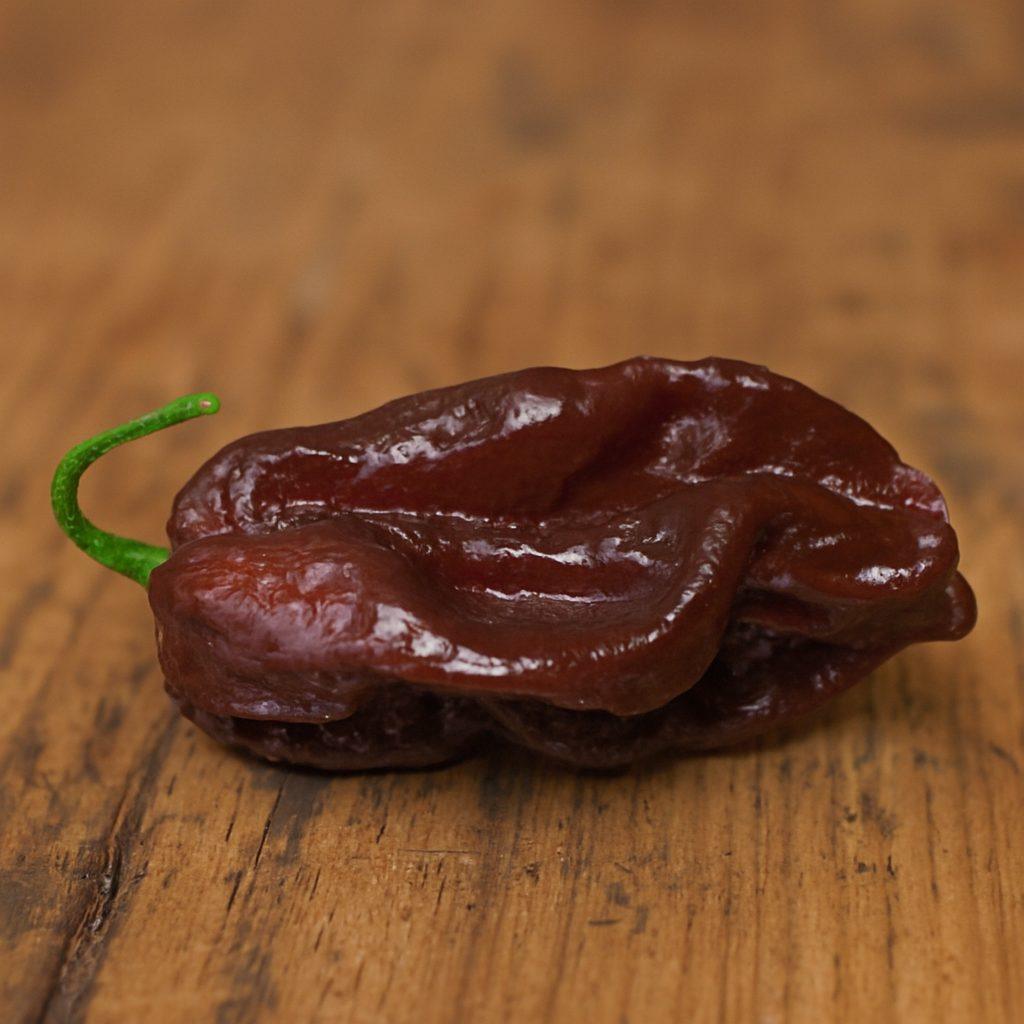
Development History: The 7 Pot Douglah is a legendary superhot pepper native to Trinidad, part of the 7 Pot family known for their extreme heat. Its name reflects its potency—one pod is said to be enough to heat seven pots of stew. The term “Douglah” comes from Trinidadian Creole, referring to a person of mixed African and Indian descent, and was adopted to describe this pepper’s unique chocolate-brown coloration. Unlike most superhots that ripen red, the Douglah matures from green to deep brown, a trait that hints at its rich, earthy flavor.
Cultural Significance: The 7 Pot Douglah is revered among chilli growers and heat seekers for its rare combination of flavor and fire. It ranks among the hottest peppers in the world, often exceeding 1.8 million Scoville Heat Units (SHU). Its striking appearance and complex taste have made it a favorite for artisan hot sauces and extreme culinary challenges.
Lineage / Hybridizer History:
7 Pot Douglah is not the result of modern hybridization but rather centuries of regional selection. It belongs to the Capsicum chinense species and shares ancestry with other Trinidadian superhots like the Moruga Scorpion and 7 Pot Barrackpore. It remains open-pollinated and suitable for seed saving.
Heat Profile
Scoville Rating (SHU): 923,889–1,853,986 SHU
Perceived Heat: Extreme—up to 742 times hotter than a jalapeño
Heat Characteristics: The burn is immediate and overwhelming. It begins with a searing sting on the tongue and quickly spreads to the throat, cheeks, and even ears. The heat lingers for several minutes and intensifies when dried or cooked. Handling requires gloves and caution—capsaicin oils can cause severe skin irritation.
Flavor Profile
Tasting Notes: Despite its ferocity, the 7 Pot Douglah offers a surprisingly complex flavor. The initial bite is fruity and sweet, followed by earthy, nutty undertones and a hint of smokiness. The chocolate-brown skin contributes to the depth, similar to chocolate habaneros but with more intensity.
Aftertaste / Finish: The finish is warm and slightly bitter, with lingering heat and a roasted spice tail. Roasting enhances caramel and umami notes, while fermentation adds depth and tang.
Ideal Pairings:
- Extreme hot sauces and spice blends
- Earthy chili soups and stews
- Smoky BBQ rubs
- Fermented chilli pastes
- Fiery salsas and chutneys
Fruit Characteristics
- Shape: Wrinkled, pock-marked pods with irregular lobes
- Size: ~5 cm long, 3–4 cm diameter
- Color Stages: Immature: green → Ripe: chocolate brown
- Wall Thickness: Thin
- Texture & Skin: Bumpy, oily, deeply textured
Plant Details
- Growth Habit: Upright and bushy
- Plant Height & Width: 90–120 cm tall, 60–90 cm spread
- Foliage: Deep green, broad leaves
- Flower Color: White
- Days to Maturity: 90–150 days from transplant
- Yield: Moderate – 20–40 pods per plant under optimal conditions
Cultivation Information
- Seed Count per Pack: 10 seeds
- Germination Time: 10–20 days (Germinating Chilli Seeds)
- Optimal Germination Temp: 24–30°C (Essential guide to ideal temperatures and humidity for chilli seed germination)
- Light Requirements: Filtered sun (minimum 6–8 hours/day)
- Soil Preferences:
- pH: 6.2–7.0
- Well-draining loam enriched with compost (Easy DIY soil mixes)
- Mulch to retain moisture and suppress weeds
Storage Tips: Store 7 Pot Douglah seeds in airtight containers in a cool, dry place. Refrigeration with desiccants can extend viability up to 3 years.
Notable Compounds
Capsaicinoid Content:
- Extremely high capsaicin and dihydrocapsaicin
- Heat concentrated in placenta and inner membranes
Volatile Flavor Compounds:
- Limonene (citrus)
- Geraniol (floral)
- Methylpyrazine (smoke)
- Vanillin (sweetness)
Anthocyanins / Pigments: Chocolate coloration due to high flavonoid and carotenoid content
Culinary & Cultural Use
Traditional Uses: In Trinidad, 7 Pot peppers are used sparingly in stews, soups, and sauces. The Douglah variant is especially prized for its flavor and color, often dehydrated and ground into powder for rubs and seasoning blends. Its name and reputation have made it a symbol of Caribbean heat culture.
Raw vs Cooked Flavor: Raw 7 Pot Douglah pods deliver intense heat and fruity brightness. Roasting deepens sweetness and adds smoky complexity. Pickling preserves crunch and acidity. Fermentation enhances umami and balances the burn.
Regional Dishes:
- Trinidadian pepper sauce with garlic and vinegar
- Douglah-infused chili con carne
- Superhot salsa with tomato and coriander
- Douglah powder rubs for grilled meats
- Fermented Douglah paste with tropical fruit
Storage / Drying / Preserving Tips:
Dry pods whole or sliced in a dehydrator. Pickling is effective—use vinegar, garlic, and citrus for balance. Roasted peppers can be frozen or blended into sauces. For seed saving, allow pods to fully ripen and dry before extraction.



Reviews
There are no reviews yet.