
Description
Product Name: 7 Pot Barrackpore Red
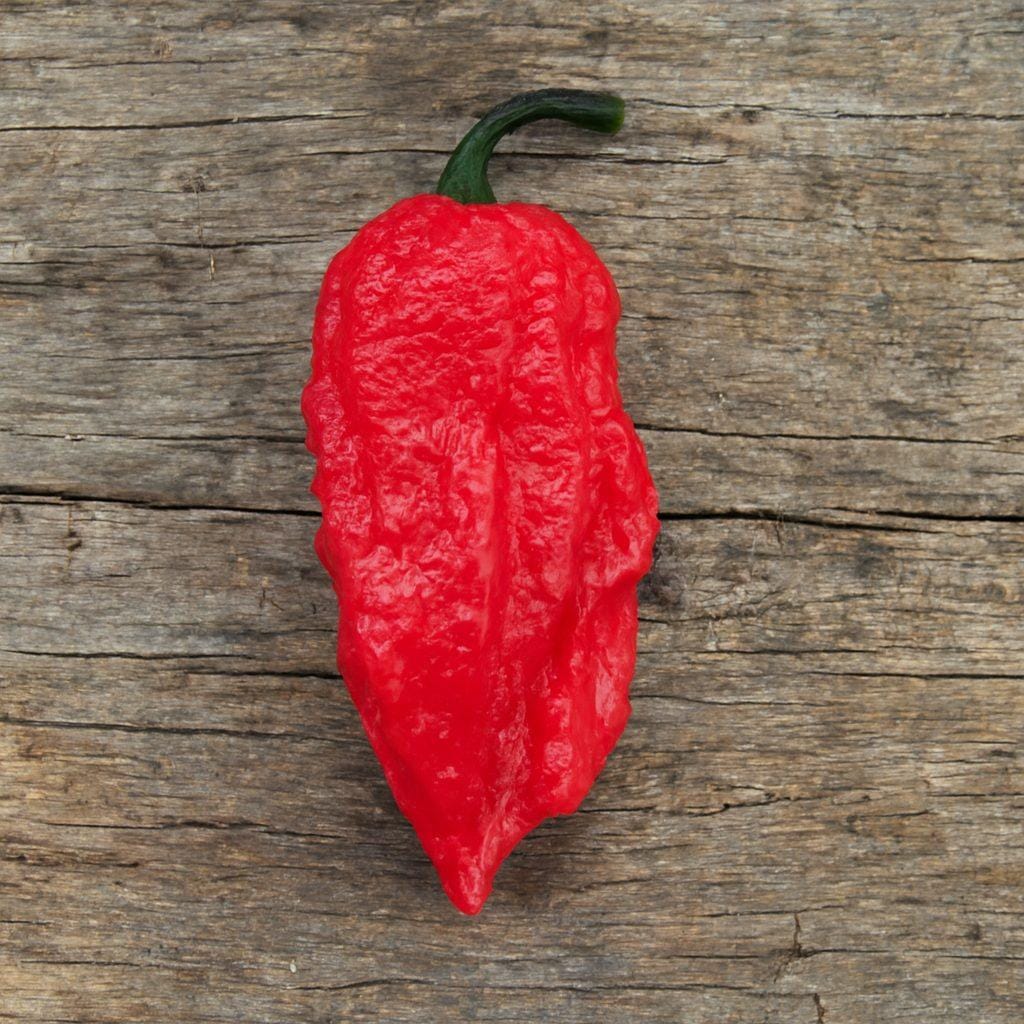
7 Pot Barrackpore Red is a ferociously hot and visually formidable chili cultivar belonging to the Capsicum chinense species. This heirloom variety, originating from the Caribbean island of Trinidad, is revered for its blistering heat, rugged pod texture, and bold flavor profile. Named after the town of Barrackpore, this pepper is part of the legendary “7 Pot” lineage—so named because one pod is said to be hot enough to spice seven pots of stew. With its wrinkled skin, scorpion-like tail, and deep red coloration, the 7 Pot Barrackpore Red is a staple among superhot collectors, sauce makers, and competitive growers.
- Cultivar Name: 7 Pot Barrackpore Red
- Species: Capsicum chinense
- Common Names: Barrackpore 7 Pot, Red Barrackpore
- Type: Heirloom
Origin & Lineage
Geographic Origin:
The 7 Pot Barrackpore Red hails from Barrackpore, a town in southern Trinidad and Tobago, a region globally recognized for producing some of the hottest peppers on Earth. The island’s volcanic soil, tropical climate, and long-standing chili cultivation traditions have contributed to the emergence of elite superhot varieties, including the Trinidad Moruga Scorpion and the 7 Pot family. The Barrackpore variant is considered one of the largest and hottest among the 7 Pot types.
Cultural Significance:
In Trinidadian culinary culture, 7 Pot peppers are deeply embedded in traditional cooking. They are used in fiery stews, pepper sauces, and meat marinades. The name “7 Pot” itself reflects the pepper’s potency and its role in communal cooking. While the Barrackpore Red variant is not associated with ritual use, it has become a symbol of regional pride and agricultural excellence. Its reputation has spread globally, and it is now cultivated by chili enthusiasts in South Africa, the United States, and Europe.
Lineage / Hybridizer History:
7 Pot Barrackpore Red is a naturally stabilized heirloom, selected and propagated by Trinidadian farmers over generations. It shares genetic lineage with other 7 Pot types, including 7 Pot Brain Strain and 7 Pot Jonah, but is distinguished by its larger pod size and slightly more aggressive heat. No single breeder is credited with its development; rather, it has been refined through open pollination and seed saving within the Barrackpore region.
Heat Profile
Scoville Rating (SHU):
1,000,000–1,300,000 SHU
Perceived Heat:
Superhot (500,000 or more SHU)
Heat Characteristics:
The heat of 7 Pot Barrackpore Red is immediate, searing, and long-lasting. It begins with a sharp sting on the tongue and quickly spreads across the palate, inducing sweating, hiccups, and a pronounced endorphin rush. The burn is deep and persistent, often described as “molten” or “volcanic.” Despite its intensity, the heat is relatively clean and does not carry the acrid bitterness found in some unstable superhots. Gloves and goggles are strongly recommended when handling fresh pods.
Flavor Profile
Tasting Notes:
The 7 Pot Barrackpore Red delivers a bold, fruity flavor with subtle floral and earthy undertones. Compared to other 7 Pot types, Barrackpore Red tends to be slightly less sweet and more bitter, with a bright, sharp edge that complements its heat. When used sparingly, it adds depth and complexity to sauces and rubs.
Aftertaste / Finish:
The finish is smoky and slightly bitter, with lingering heat that dominates the palate. Roasting enhances the pepper’s natural sugars and brings out umami notes, while fermentation deepens its complexity.
Ideal Pairings:
- Fermented hot sauces
- Smoked meat rubs
- Caribbean-style pepper mash
- Roasted vegetable salsas
- Dark fruit chutneys
Fruit Characteristics
Shape:
Lantern-like with a pointed tip; pods are irregular, heavily wrinkled, and often bear a scorpion-style tail
Size:
Approximately 6–7 cm long, 2.5–3 cm diameter
Color Stages:
Immature: green → Intermediate: orange → Ripe: bright red
Wall Thickness:
Medium
Texture & Skin:
Wrinkled and blistered, with a glossy sheen when ripe.
Plant Details
Growth Habit:
Bushy
Plant Height & Width:
Height: 90–120 cm
Width: 60–90 cm
Foliage:
Dark green, slightly pubescent
Flower Color:
White
Days to Maturity:
100–120 days from transplant
Yield:
High – estimated 60–100 pods per plant under optimal conditions.
Cultivation Information
Seed Count per Pack:
5 or 10 seeds (Presoaking Chilli Seeds)
Germination Time:
7–14 days (Germinating Chilli Seeds)
Optimal Germination Temp:
25–30°C (Essential guide to ideal temperatures and humidity for chilli seed germination)
Light Requirements:
Filtered sun
Soil Preferences:
- pH: 6.0–7.0
- Well-drained loamy soil
- Rich in organic matter (Easy DIY soil mixes)
Storage Tips:
Store 7 Pot Barrackpore Red seeds in airtight containers in a cool, dry place. Silica gel packets may be used to reduce moisture. Avoid refrigeration unless seeds are vacuum-sealed.
Notable Compounds
Capsaicinoid Content:
High concentrations of capsaicin and dihydrocapsaicin are responsible for its superhot classification. These compounds are concentrated in the placenta and inner walls of the pod.
Volatile Flavor Compounds:
Trace amounts of limonene and aldehydes contribute to the pepper’s fruity and floral aroma, especially when fermented
Anthocyanins / Pigments:
No purple pigmentation is expressed. The red coloration is driven by carotenoid pathways and chlorophyll degradation during ripening.
Culinary & Cultural Use
Traditional Uses:
7 Pot Barrackpore Red is traditionally used in Trinidadian pepper sauces, meat stews, and fiery marinades. Its intense heat and bold flavor make it ideal for small-batch hot sauces and spice blends. In Caribbean kitchens, it is often combined with garlic, vinegar, and tropical fruit to create complex, layered condiments.
Raw vs Cooked Flavor:
Raw: fruity, floral, and intensely hot
Cooked: flavor deepens, sugars caramelize, and heat becomes more integrated
Regional Dishes:
- Trinidadian pepper sauce
- Caribbean-style meat stews
- Hot chutneys with mango or tamarind
- Fermented chili pastes with garlic and lime
Storage / Drying / Preserving Tips:
- Air-dry whole pods in a shaded, ventilated area
- Use dehydrators at low temperatures to preserve volatile compounds
- Ferment with 2% salt brine for 4–6 weeks for complex flavor development
- Store dried pods in vacuum-sealed bags to prevent oxidation
- Grind into flakes or powder for long-term spice blends



Reviews
There are no reviews yet.