
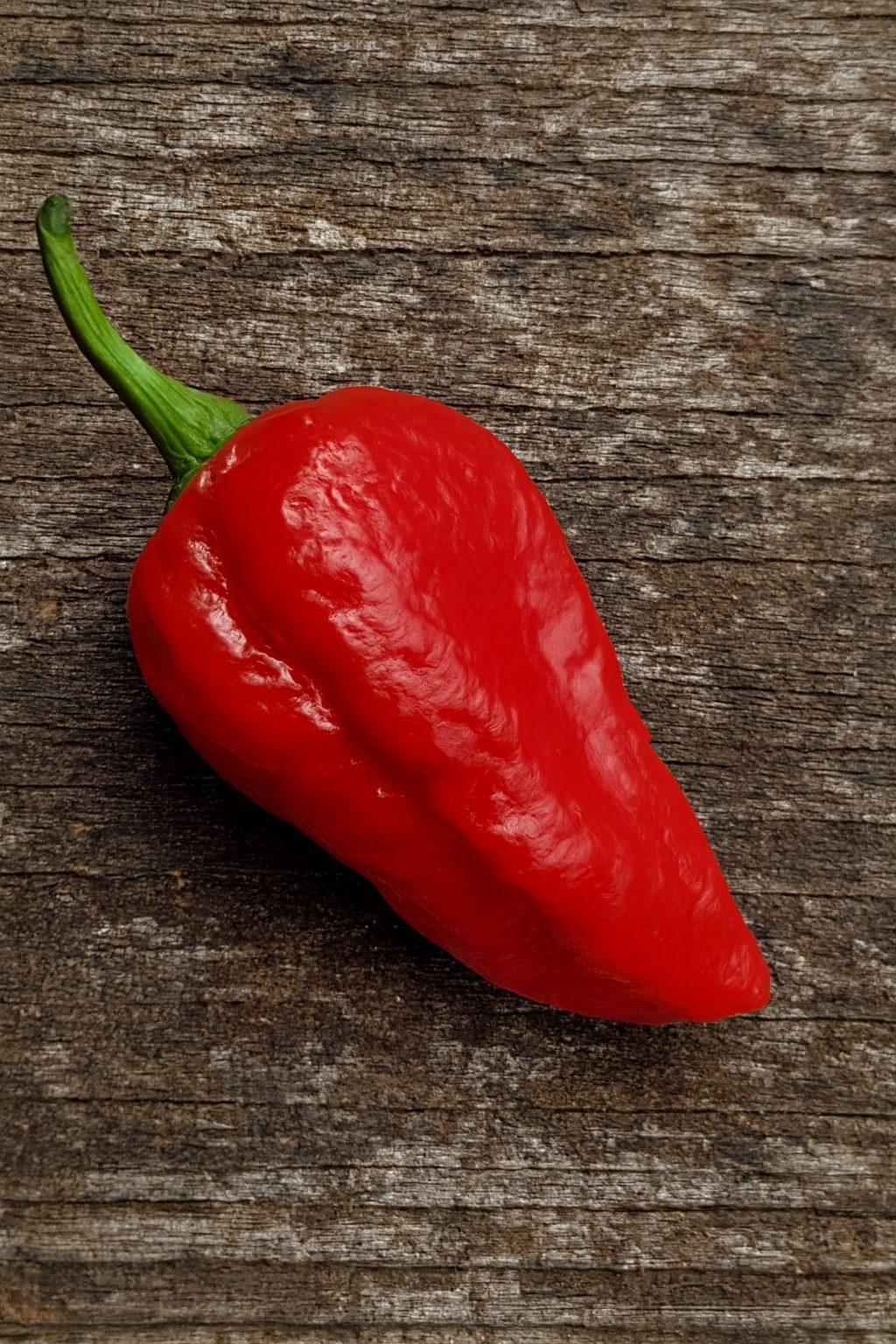
Description
Product Name: Dorset Naga Chilli Seeds
Cultivar Name: Dorset Naga
Species: Capsicum chinense
Common Names: Dorset Naga, UK Naga, Naga Morich (ancestral)
Type: Superhot / Heirloom-derived
Origin & Lineage
Geographic Origin: The Dorset Naga pepper is a striking example of cross-cultural horticultural innovation. Its origins trace back to the Naga Morich, a superhot chili native to Bangladesh and northeastern India, revered in local cuisine for its intense heat and fruity aroma. In 2001, British growers Joy and Michael Michaud of Sea Spring Seeds purchased a Naga Morich plant from an Oriental grocery store in southern England. Recognizing its potential, they began a meticulous selection process in Dorset, on England’s southern coast.
Over several growing seasons, the Michauds selected pods for uniformity, flavor, and heat, gradually stabilizing what would become the Dorset Naga. The cultivar was officially released around 2005, and by 2009, it was recognized as a distinct variety with Plant Variety Protection status. Though genetically close to its Bangladeshi ancestor, the Dorset Naga is now considered a subspecies of Naga Morich, with slightly smoother skin, thicker walls, and a more consistent growth habit.
This pepper’s development in temperate British conditions is notable—it thrives in polytunnels and greenhouses, proving that even superhot tropical cultivars can be adapted to cooler climates through careful selection.
Cultural Significance: The Dorset Naga embodies a fusion of Bangladeshi culinary tradition and British horticultural excellence. In Bangladesh, Naga Morich peppers are central to spicy curries, pickles, and chutneys, often symbolizing hospitality and warmth. The Dorset variant preserves this legacy while expanding its reach into global gourmet cuisine.
Its Scoville rating ranges from 1,000,000 to 1,598,227 SHU, placing it among the hottest peppers in the world. Yet it’s not just about heat—the Dorset Naga is prized for its fruity, floral aroma, which adds complexity to sauces, marinades, and spice blends. It’s a favorite among:
- Artisan hot sauce makers, who value its slow-building burn and depth of flavor
- Chili enthusiasts, who use it in extreme heat challenges and competitions
- Gourmet chefs, who blend it with milder peppers for layered spice profiles
In the UK, the pepper has become a cult favorite, featured in specialty food shops, chili festivals, and even Guinness World Record attempts. Its popularity helped establish Peppers by Post and Sea Spring Seeds as key players in the superhot pepper market.
Lineage / Hybridizer History: The Dorset Naga was developed through traditional selective breeding, not genetic modification. Joy and Michael Michaud began by growing seeds from a single Naga Morich plant, then hand-selecting the best pods each season based on:
- Fruit shape and size
- Wall thickness
- Aroma and flavor
- Heat intensity
This process took several years, with heat testing conducted by Warwick University confirming its extreme Scoville levels. The Michauds were initially focused on flavor and form—not just heat—and were surprised by the pepper’s intensity when lab results came back.
By 2009, the cultivar was stable enough to earn Plant Variety Protection, officially distinguishing it from its parent line. Today, the Dorset Naga is grown in multiple color variants—including Red, Yellow, and Chocolate—each with unique flavor nuances and culinary applications.
Despite its superhot status, the Dorset Naga remains a naturally bred, open-pollinated variety, and seeds are available through specialty suppliers like Sea Spring Seeds. It’s a testament to what patient, intentional selection can achieve—even with one of the world’s most formidable peppers.
Heat Profile
Scoville Rating (SHU): 661,000–1,598,227 SHU
Perceived Heat: Extreme
Heat Characteristics: Delayed onset with a deep, escalating burn. The heat is long-lasting and can intensify over time. Handling requires caution—gloves are recommended.
Flavor Profile
Tasting Notes: Fruity, floral, and slightly citrusy. Despite its intensity, the flavor is complex and aromatic.
Aftertaste / Finish: Sweet and tangy with a smoky undertone. The heat dominates but doesn’t erase the nuanced finish.
Ideal Pairings:
- Fermented sauces with mango, tamarind, or garlic
- Bangladeshi-style pickles and chutneys
- Extreme hot sauces and marinades
- Spicy stews and soups
- Dehydrated powders for rubs and spice blends
Fruit Characteristics
Shape: Conical to slightly curved pods with pointed tips
Size: 4–5 cm long, 2–3 cm diameter
Color Stages:
- Immature: Green
- Ripe: Bright red or orange
- Dried: Deep red with wrinkled skin
Wall Thickness: Medium
Texture & Skin: Finely wrinkled, glossy when fresh; leathery when dried
Plant Details
Growth Habit: Bushy and compact
Plant Height & Width:
Height: 60–90 cm
Width: 50–70 cm
Foliage: Dark green, slightly crinkled leaves
Flower Color: White
Days to Maturity: 100–120 days from transplant
Yield: Moderate – 30–50 pods per plant under optimal conditions
Cultivation Information
Seed Count per Pack: 5 to 10 seeds
Germination Time: 10–21 days (Germinating Chilli Seeds)
Optimal Germination Temp: 26–32°C (Essential guide to ideal temperatures and humidity for chilli seed germination)
Light Requirements: Filtered sun
Soil Preferences:
- pH: 6.2–6.8
- Rich, loamy, well-draining soil
- Benefits from compost and potassium-rich feed (Easy DIY soil mixes)
Storage Tips: Store seeds in a cool, dry place. Refrigeration at 4–8°C extends viability. Avoid moisture and direct light.
Notable Compounds
Capsaicinoid Content: Extremely high capsaicin concentration; often exceeds 1.5%
Volatile Flavor Compounds: Linalool, limonene, and esters contribute to the fruity aroma
Anthocyanins / Pigments: High capsanthin and capsorubin levels; intense red pigmentation
Culinary & Cultural Use
Traditional Uses:
- Bangladeshi curries and pickles
- UK-style naga sauces
- Artisan hot sauce production
- Heat challenges and extreme cuisine
Raw vs Cooked Flavor: Raw pods deliver a sharp, fruity punch with intense heat. Cooking mellows the sharpness and enhances the sweetness. Roasting deepens the smoky notes and brings out the floral undertones.
Regional Dishes:
- Naga Chicken Curry (Bangladesh)
- Naga Pickle (South Asia)
- Naga Sauce (UK artisan brands)
Storage / Drying / Preserving Tips:
- Air-dry or dehydrate for powder
- Freeze whole pods for long-term use
- Store dried pods in airtight containers away from light and humidity


Reviews
There are no reviews yet.