
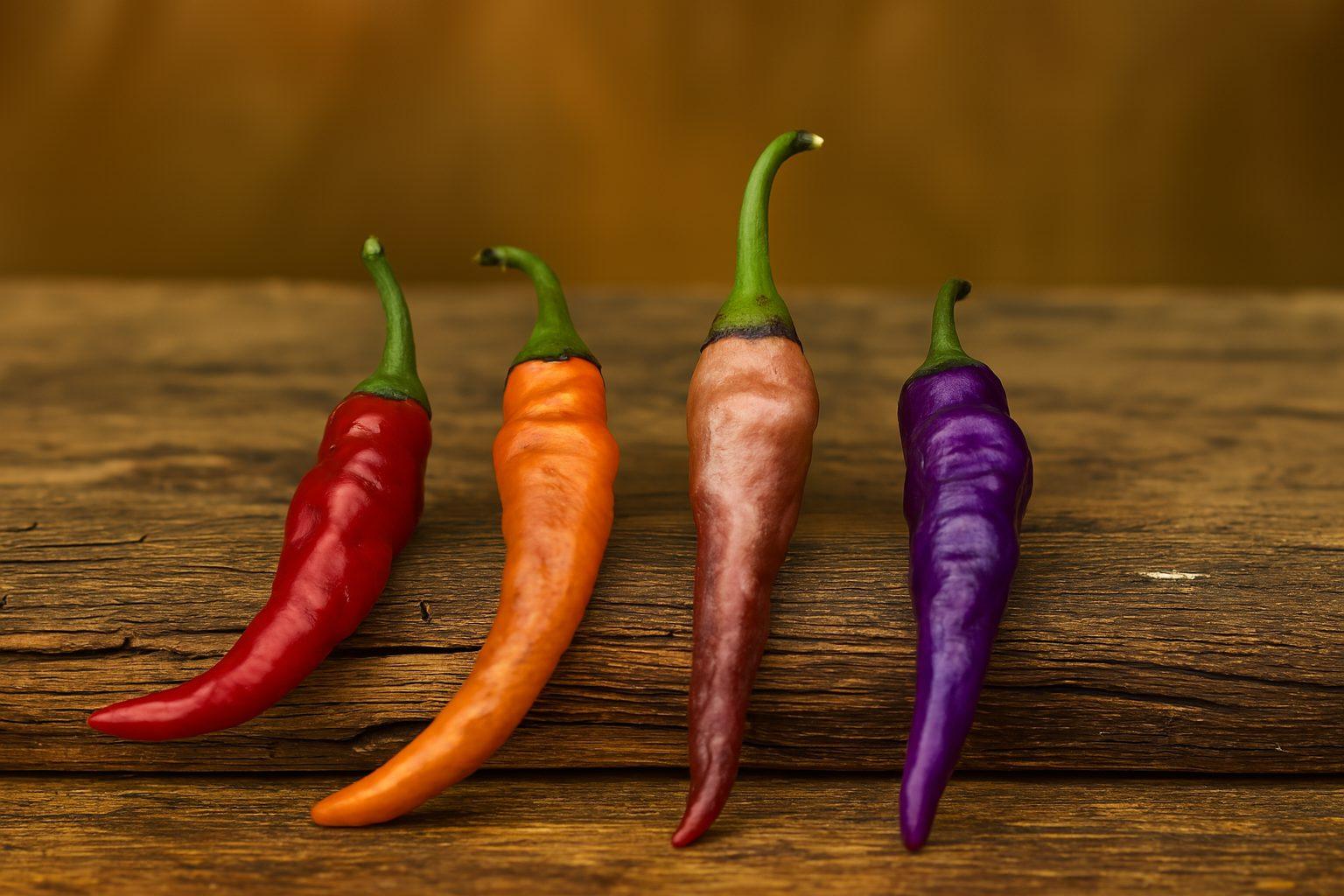
Description
Product Name: Buena Mulata Pepper Seeds
Species: Capsicum annuum
Common Names: Buena Mulata,Violet Cayenne
Type: Heirloom cultivar
Origin & Lineage
Geographic Origin: United States (Pennsylvania); ancestral lineage likely Caribbean or Central American
Development History: The Buena Mulata is a rare Heirloom pepper with a remarkable backstory. In 1944, African-American folk artist Horace Pippin gifted seeds of this striking purple cayenne to his friend H. Raph Weaver, a beekeeper and avid gardener in Pennsylvania. Pippin was known for his artistic eye and culinary curiosity, often trading seeds for bee stings from Weaver’s hives. The pepper was grown out for several years, then stored in Weaver’s freezer—where it remained forgotten until the 1960s, when his grandson, food historian William Woys Weaver, rediscovered the seeds and reintroduced the variety to the public.
Cultural Significance: Buena Mulata peppers are not just visually stunning—they’re a living piece of African-American agricultural heritage. Their rediscovery helped revive interest in heirloom varieties and seed preservation. The pepper’s dramatic color transitions and culinary versatility have made it a favorite among gardeners, chefs, and seed savers alike.
Lineage / Hybridizer History:
Buena Mulata is a stable, open-pollinated cultivar of Capsicum annuum, with cayenne-like morphology and a unique pigmentation profile. It is not a hybrid, and its lineage reflects generations of informal selection rather than formal breeding.
Heat Profile
Scoville Rating (SHU): 30,000–50,000 SHU
Perceived Heat: Medium-hot—4 to 20 times hotter than a jalapeño
Heat Characteristics: The burn is sharp and immediate, beginning with a tongue-tingling sting and spreading to the cheeks and throat. It lingers for several minutes and intensifies when dried. While not overwhelming, the heat is assertive and well-suited to sauces, powders, and pickles.
Flavor Profile
Tasting Notes: Unripe (purple) pods offer a grassy, vegetal flavor with mild heat. As they ripen through orange, brown, and finally red, the flavor deepens into sweet, smoky, and slightly fruity notes. Fully ripe pods are the most flavorful, with hints of cherry, tobacco, and roasted spice.
Aftertaste / Finish: The finish is warm and slightly bitter, with lingering sweetness and a smoky tail. Roasting enhances caramel and umami notes, while pickling brightens acidity.
Ideal Pairings:
- Salsa morada (purple salsa)
- Pickled pepper rings
- Hot sauces and chilli jams
- Grilled meats and roasted vegetables
- Sandwich spreads and spicy marinades
Fruit Characteristics
- Shape: Long, slender, tapered cayenne-like pods
- Size: 6–7 inches long, ~1/3 inch diameter
- Color Stages: Pale green → Vibrant purple → Orange → Brown → Deep red
- Wall Thickness: Thin
- Texture & Skin: Smooth, glossy, slightly wrinkled when dried
Plant Details
- Growth Habit: Upright and bushy
- Plant Height & Width: 60–90 cm tall, 45–60 cm spread
- Foliage: Sparse canopy with thin, dark green leaves
- Flower Color: Purple and white
- Days to Maturity: 90–150 days from transplant
- Yield: Moderate – 30–50 pods per plant under optimal conditions
Cultivation Information
- Seed Count per Pack: 10 seeds
- Germination Time: 10–20 days (Germinating Chilli Seeds)
- Optimal Germination Temp: 24–30°C (Essential guide to ideal temperatures and humidity for chilli seed germination)
- Light Requirements: Filtered sun (minimum 6–8 hours/day)
- Soil Preferences:
- pH: 6.2–7.0
- Well-draining loam enriched with compost (Easy DIY soil mixes)
- Mulch to retain moisture and suppress weeds
Storage Tips: Store seeds in airtight containers in a cool, dry place. Refrigeration with desiccants can extend viability up to 3 years.
Notable Compounds
Capsaicinoid Content:
- Moderate capsaicin and dihydrocapsaicin
- Heat varies by ripeness and growing stress
Volatile Flavor Compounds:
- Limonene (citrus)
- Vanillin (sweetness)
- Methylpyrazine (smoke)
Anthocyanins / Pigments: Purple coloration due to anthocyanins; red ripening driven by carotenoids
Culinary & Cultural Use
Traditional Uses:
While not traditional in Caribbean or African-American cuisine, Buena Mulata has found its place in modern heirloom cooking. It’s especially prized for its color in pickles, salsas, and sauces. Its rediscovery has inspired renewed interest in seed-saving and culinary storytelling.
Raw vs Cooked Flavor:
Raw pods deliver crisp heat and grassy brightness. Roasting deepens sweetness and adds smoky complexity. Pickling preserves crunch and intensifies acidity. Drying concentrates flavor and heat for use in powders and flakes.
Regional Dishes:
- Salsa morada with garlic and lime
- Pickled Buena Mulata rings for sandwiches
- Purple hot sauce with vinegar and herbs
- Chilli jam with basil and apple cider vinegar
- Roasted Buena Mulata marinade for pork or seafood
Storage / Drying / Preserving Tips:
Dry pods whole or sliced in a dehydrator. Pickling is highly effective—use vinegar, garlic, and sugar for a balanced brine. Roasted peppers can be frozen or blended into sauces. For seed saving, allow pods to fully ripen and dry before extraction.



Reviews
There are no reviews yet.