
Description
Sart Roloise Tomato
Cultivar Details
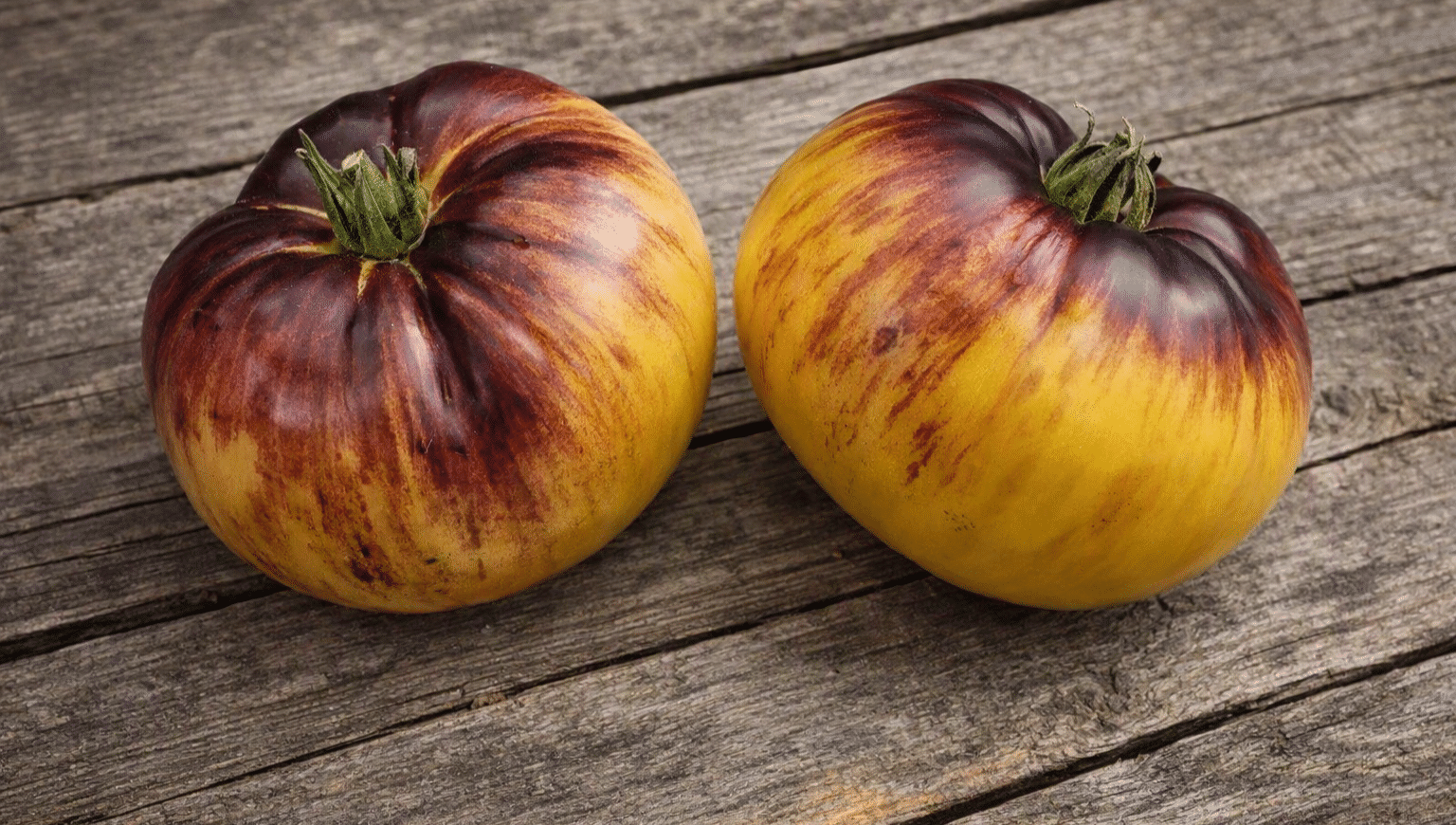
The Sart Roloise Tomato (Solanum lycopersicum ) is an extraordinary open-pollinated beefsteak variety celebrated for its striking visual appeal and gourmet eating quality. Furthermore, these large, flattened globes exhibit a creamy ivory-yellow base skin splashed with deep indigo-purple shoulders that resemble hand-painted brushstrokes. Because open-pollinated genetics are maintained in this cultivar, seeds can be saved reliably from healthy, isolated plants for future gardening seasons. Consequently, market gardeners, chefs, and home growers prize this rare slicer as a centerpiece for summer harvests.
Origin and Lineage
The Sart Roloise cultivar was bred by renowned tomato breeder Roland Boulanger in Sart Eustache, Belgium . Specifically, the variety was developed through a deliberate cross between the classic large heirloom White Wonder and the anthocyanin-rich cherry variety Baby Blue . As a result, the sweet, tropical traits of its white beefsteak parent are seamlessly combined with the vibrant indigo pigmentation of its blue ancestor. Moreover, this remarkable lineage earned the cultivar widespread acclaim, including recognition as Tomatomania’s 2026 Tomato of the Year.
Flavor and Culinary Profile
Regarding taste, the Sart Roloise Tomato delivers a complex, sweet, and fruity flavor profile balanced by mild, refreshing acidity. Inside, the dense, marbled golden-cream flesh offers subtle tropical undertones reminiscent of fresh pineapple and citrus. In addition, very few seeds and minimal watery gel are contained within its firm, meaty interior. Therefore, thick, clean slices hold their structure effortlessly on gourmet sandwiches, Caprese platters, and artisan burgers.
Plant Characteristics
Vigorous, indeterminate vines are produced by the Sart Roloise, meaning the plants continue growing, flowering, and setting fruit until the first autumn frost. Typically, healthy vines reach heights of 1.8 to 2 metres and display lush, regular-leaf foliage that shields developing fruit from harsh midday sunburn. However, sturdy trellising, heavy-duty cages, or tall stakes are required to support the heavy clusters of large beefsteak fruit.
Seed Pack Details
- Botanical Name. Solanum lycopersicum .
- Seed Type. Open-pollinated, non-GMO, untreated heirloom-style seeds.
- Pack Quantity. 10 seeds
- Germination Rate. Tested for high vigor to ensure dependable sprouting under proper indoor starting conditions.
Germination and Propagation
To begin propagation, sow Sart Roloise seeds indoors 6 to 8 weeks before your region’s final expected spring frost date. Plant each seed roughly 3 to 5 millimetres deep in a sterile, fine-textured seed-starting mix. Furthermore, consistent bottom heat between 24°C and 29°C is needed to trigger rapid sprouting within 7 to 14 days. Once true leaves emerge, seedlings should be potted up into deeper containers and hardened off gradually over seven days before outdoor transplanting.
Soil and Water Requirements
Rich, well-draining loamy soil amended with aged compost or organic matter provides the ideal foundation for vigorous root growth. Specifically, a slightly acidic soil pH between 6.2 and 6.8 allows essential nutrients like calcium and magnesium to be absorbed efficiently. Moreover, deep, consistent watering at the base of the plant is required to prevent blossom end rot and fruit cracking. Applying a thick layer of organic mulch around the root zone also helps retain soil moisture and suppress competing weeds.
Light and Climate Requirements
Full sun exposure of at least 6 to 8 hours daily is mandatory for maximum fruit production and vibrant color development. In particular, direct ultraviolet sunlight activates the dark indigo-purple pigments across the fruit shoulders. While warm daytime temperatures between 21°C and 30°C promote optimal flowering, extreme heat above 35°C may temporarily slow pollen viability.
Crop Calendar and Days to Harvest
- Indoor Sowing. Late winter to early spring, approximately 6 to 8 weeks prior to the last frost.
- Outdoor Transplanting. Mid-spring after nighttime temperatures reliably remain above 10°C.
- Days to Maturity. Roughly 75 to 90 days from transplanting, depending on local summer warmth and sunlight intensity.
- Harvest Window. Mid-summer through late autumn until cold weather arrives.
Yield and Harvest Notes
Generous yields of large beefsteak tomatoes weighing between 200 and 400 grams each are produced throughout the season. Fruits are ready for picking when the blossom end shifts from pale green to a warm, creamy yellow and yields slightly to gentle pressure. Meanwhile, the upper shoulders retain their signature deep violet-black sheen. Harvesting promptly at peak color encourages continuous flowering higher up the indeterminate vine.
Pests, Diseases and Management
Because no specific synthetic disease-resistance package is bred into this open-pollinated cultivar, proactive garden hygiene is essential. For instance, pruning lower leaves and spacing plants 60 centimetres apart improves airflow and reduces fungal issues like early blight and septoria leaf spot. Additionally, common pests such as aphids, whiteflies, and tomato hornworms can be managed effectively through regular scouting, handpicking, or targeted organic insecticidal soaps.
Companion Planting and Ecological Use
Strategic companion planting naturally enhances garden biodiversity and protects developing tomato crops. For example, fragrant herbs like sweet basil, oregano, and borage are often interplanted to deter hornworms and attract native pollinators. Similarly, French marigolds planted along bed borders help suppress harmful root-knot nematodes in the soil.
Culinary, Medicinal and Nutritional Uses
Beyond its stunning presentation on fresh summer salads and charcuterie boards, the Sart Roloise offers notable nutritional value. Specifically, the creamy yellow flesh supplies vitamin C and potassium, while the dark purple skin provides beneficial dietary antioxidants. Although tomatoes are valued primarily as wholesome culinary ingredients rather than medical treatments, diets rich in colorful produce support overall wellness.
Preservation and Storage
Freshly harvested Sart Roloise tomatoes should be stored stem-side down at room temperature out of direct sunlight to preserve their delicate tropical aromatics. Refrigeration is generally discouraged for whole ripe fruit, as cold temperatures dull both texture and sweet flavor compounds. However, surplus harvests can be preserved easily by roasting, canning, or freezing into vibrant golden tomato sauces.
Notable Compounds and Chemistry
The dramatic two-tone coloration of the Sart Roloise Tomato is driven by distinct plant pigments. Specifically, anthocyanins —the same water-soluble flavonoid antioxidants found in blueberries—are concentrated heavily in the sun-exposed purple shoulders. Conversely, the pale ivory-yellow interior lacks red lycopene and instead owes its warm hue to natural carotenoids alongside balanced sugars and organic acids.


Reviews
There are no reviews yet.