
Description
Snowball Cauliflower Seeds
Cultivar Details
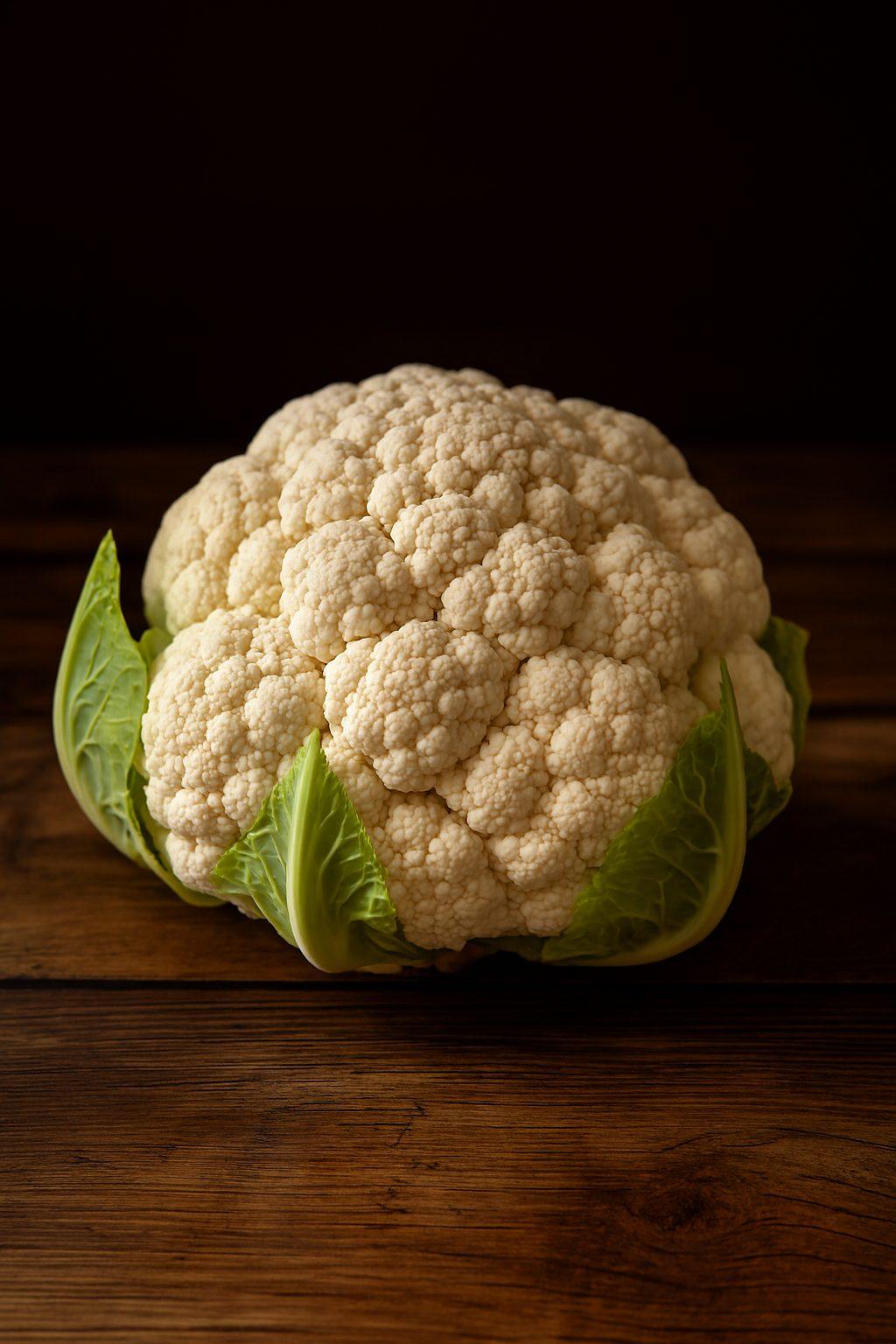
Snowball cauliflower is a classic heirloom variety prized for its compact, snow-white curds and dependable performance in home gardens and market plots. It is widely grown for its uniform head formation, tender texture, and reliable early-to-mid season maturity. Gardeners and small-scale growers value Snowball for its consistent results, ease of cultivation, and the attractive, tight heads that are easy to blanch and package for fresh-market sales.
Origin and Lineage
Snowball cauliflower traces its lineage to traditional European cauliflower strains that were refined during the 19th century and earlier, with strong Mediterranean and Denmark-linked origins recorded in historical seed accounts. Over generations Snowball became a parent line for many modern cultivars due to its dependable head quality and broad adaptability; consequently it remains a foundational heirloom in both amateur and small commercial production systems.
Flavor and Culinary Profile
Snowball cauliflower delivers a clean, mildly sweet cauliflower flavor with delicate, nutty undertones when lightly cooked. Raw florets are crisp and pleasantly neutral, which makes them ideal for salads and crudité platters. When steamed or roasted, the curds become tender and slightly creamy without losing structural integrity, making Snowball an excellent choice for purees, soups, stir-fries, and low-temperature roasting. Because the heads are tight and uniformly white, they are visually appealing on plates and in prepared foods; therefore chefs and home cooks often select this variety for presentation-driven dishes.
Plant Characteristics
Snowball cauliflower Plants form compact rosettes of broad green leaves that protect the developing curd. Typically, Snowball heads are single, well-formed, and reach marketable curd diameters of around 10–15 cm for early harvests, while mature heads can be larger depending on spacing and fertility. The plants are moderately vigorous and can be set relatively close in the bed because of their compact habit, which allows more plants per square metre for small-head production. In addition, Snowball shows uniform maturity across a planting when crops are managed with even fertility and irrigation.
Seed Pack Details
- Seed Type: Heirloom Snowball cauliflower seeds; non-hybrid open-pollinated seed.
- Pack Sizes: 50 Seeds
- Intended Use: Home gardens, community plots, farmers’ market production, and succession planting for continuous harvest.
Germination and Propagation
Snowball cauliflower seeds germinate quickly when soil temperatures are steady and within the optimal range of approximately 10–25°C. Germination is normally observed within 7–14 days under recommended conditions, and seedlings are best started in trays or modules to give young plants a head start before transplanting into the field. Transplanting produces more uniform stands and synchronized maturity, but direct sowing is possible where frost risk is low and soil temperatures are suitable. Seedlings should be hardened off gradually for 5–7 days prior to field transplant to reduce shock and to improve establishment.
Soil and Water Requirements
Snowball cauliflower is a nutrient-hungry brassica that performs best in deep, well-drained soils rich in organic matter. Consistent moisture is crucial to prevent curd separation and to maintain head quality; therefore regular, even watering is required throughout curd development. Heavy clay soils should be improved with compost and drainage amendments, while sandy soils benefit from added organic matter and mulching to retain moisture and buffer temperature swings. Balanced fertilization that supplies adequate nitrogen early and moderated nitrogen later will promote both leaf growth and compact curd formation.
Light and Climate Requirements
Full sun exposure is recommended for optimal development, though Snowball cauliflower will tolerate light afternoon shade in hot climates. It is primarily a cool-season crop and performs best when grown in spring and autumn windows in temperate zones; however, it is also widely adapted to warmer coastal and subtropical regions when managed for heat avoidance and adequate irrigation. Broadly speaking, Snowball thrives where daytime temperatures are moderate and nights are cool during curd initiation and development.
Crop Calendar and Days to Harvest
Snowball cauliflower is classified as an early to mid-season cauliflower. Typical days to harvest from transplant range from approximately 60 to 90 days depending on climate, sowing date, and whether heads are harvested as smaller baby curds or allowed to reach full size. In temperate zones, outdoor sowing windows are usually scheduled for early spring and late summer for autumn crops; in warmer microclimates staggered sowings create continuous availability for market sales.
Yield and Harvest Notes
When managed with even fertility and moisture, Snowball produces a high percentage of marketable heads because of its consistent head set and compact form. Close spacing will favor smaller, tender curds suited for gourmet and retail niche markets, while wider spacing increases individual head size for bulk sales. Harvest should occur when curds are dense, white, and compact; heads that begin to separate or show discoloration should be culled or processed promptly to maintain quality.
Pests, Diseases and Management
Snowball cauliflower is susceptible to the usual brassica pests and diseases including aphids, cabbage loopers, flea beetles, and alternaria and downy mildew under conducive conditions. Standard integrated pest management practices are recommended: monitor regularly, use physical barriers where practical, encourage beneficial predators, and rotate families to reduce build-up of soilborne pathogens. Timely sanitation and removal of crop residues help lower disease pressure for subsequent plantings.
Companion Planting and Ecological Use
Snowball cauliflower benefits from companion species that attract pollinators and predatory insects; planting aromatic herbs such as dill and cilantro, as well as flowering allies like marigolds, promotes biodiversity and pest moderation. Root crops and legumes can be rotated with cauliflower to help maintain soil structure and replenish nutrients, while cover crops improve soil biology during off-seasons.
Culinary, Medicinal and Nutritional Uses
Snowball cauliflower is nutritious and versatile: it is high in vitamin C, fiber, and several B vitamins while also providing minerals such as potassium and folate. Culinarily, it is used raw in salads, quickly steamed, roasted, or incorporated into global dishes from curries to gratins. Its mild flavor and fine texture make it a favourite for baby food purées and diet-sensitive preparations.
Preservation and Storage
Heads should be cooled immediately after harvest and stored at cool temperatures with high relative humidity for best shelf life. Snowball heads store well when chilled and wrapped to retain moisture; they can also be blanched and frozen, or pickled and preserved for longer-term use.
Notable Compounds and Chemistry
Like other brassicas, Snowball cauliflower contains glucosinolates and related sulfur-containing compounds that contribute to its characteristic flavour and possible health-promoting activity. On cooking, these compounds are transformed into derivatives that influence aroma and potential bioactivity, while the natural sugars and delicate cell structure give Snowball its sweet, mild character when prepared correctly.


Reviews
There are no reviews yet.