
Description
Caserta Baby Marrow Seeds
Cultivar Details
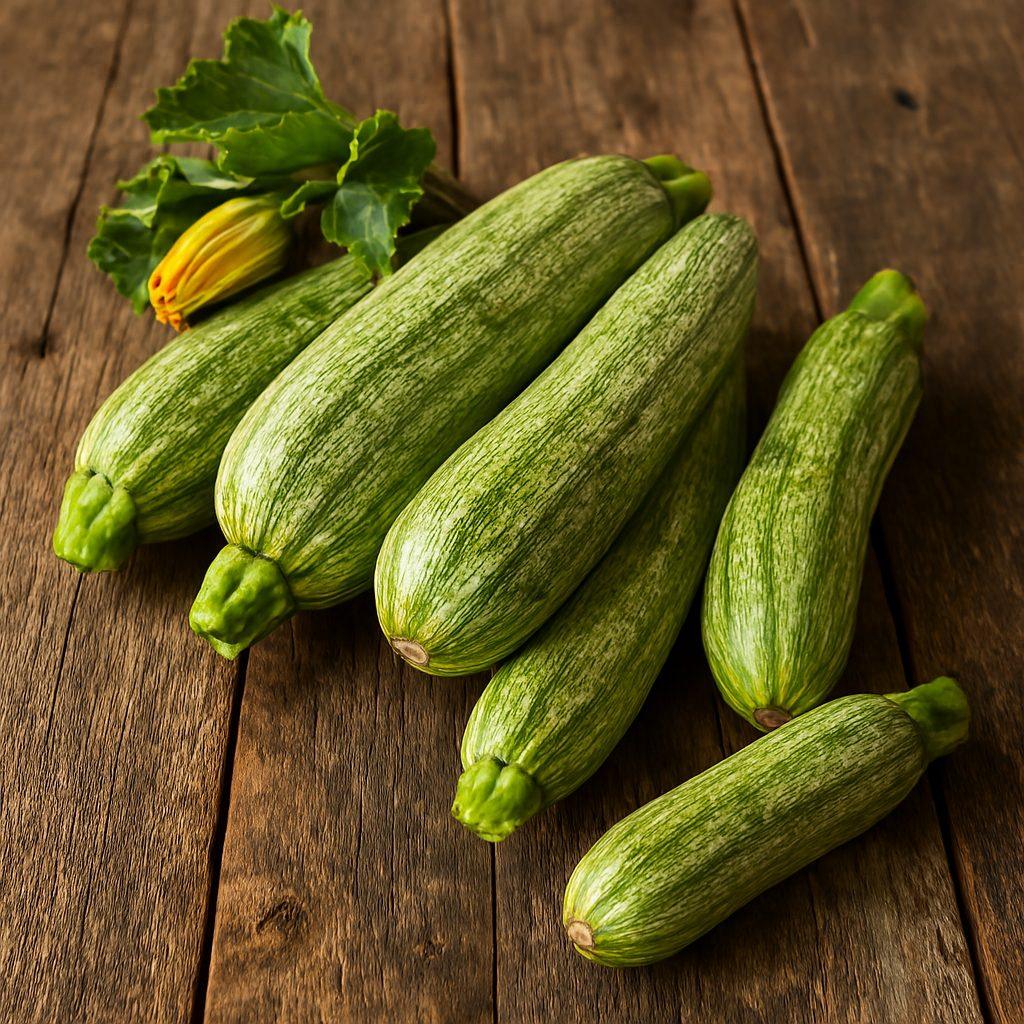
Caserta Baby Marrow is an heirloom summer squash cultivar prized for its slender, tender fruits and dependable yield. It produces uniform, light-green cylindrical marrows that are harvested young as baby marrows or left to mature as small zucchinis. This variety is celebrated for consistent fruit set, compact vines, and exceptional tenderness when harvested at 12–18 cm in length. Gardeners and small-scale producers value Caserta Baby Marrow for its fast maturity, attractive market appearance, and adaptability to backyard, raised-bed, and smallholder farm systems.
Origin and Lineage
Caserta Baby Marrow originates from Mediterranean seed-lines where selection prioritized early maturity and delicate flesh. Over decades of open-pollinated breeding, it has been stabilized for uniform fruit shape, reliable germination, and resilience to variable growing conditions. Its lineage links traditional regional varieties with modern market demands, creating a cultivar that balances heritage flavor with contemporary performance. As an open-pollinated heirloom, Caserta can be saved and maintained by growers who practice careful isolation and seed-selection techniques.
Flavor and Culinary Profile
Caserta Baby Marrow offers a mild, slightly sweet flavor and a delicate texture that performs well across cooking methods. When sautéed, it softens quickly and forms a light, buttery mouthfeel; when grilled, it yields a smoky char while retaining tender flesh. Raw slices add crispness to salads and slaws, while stuffed and baked preparations highlight its thin skin and cavity size. Because the fruit is low in fiber and mild in taste, it pairs seamlessly with tomatoes, basil, olive oil, feta, and citrus zest. Caserta’s culinary versatility makes it a staple for seasonal menus, home kitchens, and preserve-friendly recipes.
Plant Characteristics
Caserta Baby Marrow develops compact, moderately vigorous vines with healthy, dark-green leaves and prolific flowering. Female flowers are abundant, and pollinator activity often leads to steady fruit set. Fruits are typically 12–18 cm long at optimal baby-marow harvest and possess uniformly pale green skin with faint longitudinal striping. The plant habit lends itself to tight spacing and succession planting, enabling continuous harvests through the season. Fruit skin is thin and rarely bitter, reducing waste and maximising edible yield.
Seed Pack Details
Each seed pack contains 5 seeds; seeds are untreated and open-pollinated.
Germination and Propagation
Caserta Baby Marrow seeds germinate rapidly, usually within 5–8 days under warm conditions. To accelerate emergence, pre-warm soil to 21–26°C and sow at a depth of 1–2 cm. Direct sowing is preferred for robust taproot development; however, seedlings can be started in biodegradable pots and transplanted after the first true leaf stage for cooler climates. When transplanting, harden off seedlings for 7–10 days to reduce shock. Ensure even soil moisture to prevent damping-off and uneven germination.
Soil and Water Requirements
Caserta Baby Marrow thrives in fertile, well-drained soils rich in organic matter with a pH of 6.0–7.0. Incorporate compost and well-rotted manure prior to planting to provide steady nutrients. During fruiting, consistent moisture is critical; apply 25–40 mm of water weekly depending on temperature and soil texture. Mulching conserves moisture and moderates soil temperature while limiting weed competition. Avoid waterlogging, which can promote root disorders and reduce fruit quality.
Light and Climate Requirements
Full sun exposure produces the best yields for Caserta Baby Marrow; however, light afternoon shade can be beneficial in hot summer regions. Optimal growing temperatures range from 18–30°C. In Mediterranean and temperate climates, sow early spring for summer harvests, while subtropical growers may produce multiple successions. Caserta tolerates mild heat but may set fewer fruits during sustained extreme temperatures; in such cases, shade cloth and increased irrigation improve performance.
Crop Calendar and Days to Harvest
Caserta Baby Marrow typically reaches first harvest in 45–60 days from sowing depending on temperature and cultural practices. For continuous supply, space sowings 2–3 weeks apart. In warm climates, two to three main crops can be achieved per year; in cooler zones, focus on a single intensive season. Harvesting frequently at the baby marrow stage encourages ongoing fruit production.
Yield and Harvest Notes
Under optimal conditions Caserta Baby Marrow produces a high marketable yield per plant with minimal culls. Expect multiple fruits per plant each week during peak season. Harvest in the morning when temperatures are cooler and handle fruits gently to avoid bruising. For fresh-market presentation, trim stems slightly and pack with minimal leaf material. Uniform size and pale green colour enhance appeal for restaurants and farm stalls.
Pests, Diseases and Management
Common pests include squash vine borer, aphids, and cucumber beetles. Monitor plants early and employ integrated pest management: row covers for early protection, biological controls, and targeted organic treatments when necessary. Powdery mildew and downy mildew may affect leaves in humid conditions; practicing crop rotation, improving air circulation, and selecting well-drained beds reduce disease pressure. Seed sanitation and clean field hygiene minimise pathogen carryover.
Companion Planting and Ecological Use
Companion plants such as nasturtiums, marigolds, and aromatic herbs like oregano and dill help deter pests and attract beneficial insects. Beans fix nitrogen and can complement Caserta’s nutrient needs when rotated appropriately. Intercropping with fast-growing greens makes efficient use of space and supports soil cover, erosion control, and biodiversity in small-scale systems.
Culinary, Medicinal and Nutritional Uses
Caserta Baby Marrow is rich in vitamins A and C, dietary fiber, and essential minerals such as potassium and manganese. Low in calories, it supports weight-conscious diets and versatile culinary uses. Medicinally, its hydration and antioxidant content are aligned with general wellness benefits attributed to summer squash family members. Use young fruits raw, sautéed, grilled, stuffed, or incorporated into preserves and relishes.
Preservation and Storage
Baby marrows store best when harvested young; refrigeration at 4–10°C with high humidity extends shelf life to 1–2 weeks. For longer preservation, blanch and freeze slices for soups and stews, or pickle in vinegars and oils for condiments. Label preserved batches with harvest dates and seed pack batch codes for traceability.
Notable Compounds and Chemistry
Caserta Baby Marrow contains carotenoids and chlorophylls that contribute to its nutritional value and mild colouration. It also contains cucurbitacin levels typical of cultivated summer squashes; when grown and harvested properly, bitterness is rare. The cultivar’s balance of sugars, organic acids, and water content yields a pleasing texture and keeps culinary applications broad and flexible.

Reviews
There are no reviews yet.