

Description
Product Name: Cabai Kopay
Cabai Kopay is a versatile and aromatic chili cultivar belonging to the Capsicum annuum species. Developed in Sumatra, Indonesia, this heirloom variety is prized for its elongated red pods, mild to medium heat, and resistance to common pests and viruses. With a flavor profile that balances sweetness and warmth, Cabai Kopay has become a staple in Indonesian home gardens and kitchens. Its ease of cultivation, high productivity, and adaptability to container growing make it an ideal choice for both novice and experienced growers. Whether used fresh, dried, or fermented, this cultivar offers culinary flexibility and regional authenticity.
- Cultivar Name: Cabai Kopay
- Species: Capsicum annuum
- Common Names: Kopay Chili, Indonesian Red Chili
- Type: Heirloom
Origin & Lineage
Geographic Origin:
Cabai Kopay originates from Sumatra, Indonesia, a region known for its rich agricultural diversity and chili breeding traditions. The cultivar was developed by Syahrul Yondri, a farmer and field researcher who sought to create a pepper resistant to aphids and the yellow Gemini virus. Sumatra’s tropical climate, fertile volcanic soils, and high humidity provided ideal conditions for the selection and stabilization of this variety. Today, Cabai Kopay is grown across Indonesia and has been introduced to international seed networks, including South Africa and the United States.
Cultural Significance:
In Indonesian culinary culture, cabai (chili) is a foundational ingredient, used in sambals, stir-fries, soups, and marinades. Cabai Kopay, with its moderate heat and aromatic profile, is particularly suited to dishes that require warmth without overpowering spice. It is often used in home cooking, street food, and regional specialties such as “sambal goreng” and “ikan balado.” While not associated with ritual use, the cultivar reflects Indonesia’s deep-rooted relationship with chili peppers and its ongoing innovation in pest-resistant breeding.
Lineage / Hybridizer History:
Cabai Kopay was created in 2005 by Syahrul Yondri through home field research in Sumatra. His goal was to develop a chili variety that could withstand aphid infestations and viral attacks, particularly the yellow Gemini virus. The cultivar was selected for its hairy foliage, which may deter pests, and its low Brix level, which contributes to disease resistance. It was stabilized through open pollination and seed saving, and remains an heirloom variety with high productivity and consistent pod morphology.
Heat Profile
Scoville Rating (SHU):
Estimated between 10,000 and 30,000 SHU
Perceived Heat:
Medium (1,000 to 15,000 SHU)
Heat Characteristics:
Cabai Kopay delivers a gentle, warming heat that builds gradually and fades cleanly. The burn is concentrated near the seed cavity and inner walls, offering a satisfying sting without overwhelming the palate. When used fresh, the heat is immediate but manageable. When dried or roasted, the pungency intensifies slightly, adding depth to sauces and spice blends.
Flavor Profile
Tasting Notes:
This cultivar offers a sweet, aromatic flavor with subtle herbal undertones. The taste is clean and crisp, making it suitable for raw applications such as salads and garnishes. When cooked, the flavor deepens, revealing mild smokiness and a hint of fruitiness.
Aftertaste / Finish:
The finish is smooth and slightly tangy, with no bitterness. A mild sweetness lingers, especially when the pepper is roasted or fermented.
Ideal Pairings:
- Stir-fried vegetables
- Sambal and chili pastes
- Pickled condiments
- Grilled seafood
- Tomato-based sauces
Fruit Characteristics
Shape:
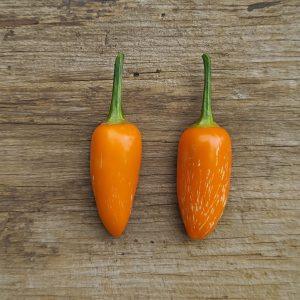
Elongated and slightly curved, with a tapered tip
Size:
Approximately 5–8 cm long, 1.5–2 cm diameter
Color Stages:
Immature: dark green → Ripe: vibrant red
Wall Thickness:
Medium
Texture & Skin:
Smooth and glossy, with firm flesh and a crisp bite
Plant Details
Growth Habit:
Bushy
Plant Height & Width:
Height: 70–100 cm
Width: 50–70 cm
Foliage:
Green, with fine hairs that may deter aphids
Flower Color:
White
Days to Maturity:
90–100 days from transplant
Yield:
High – estimated 80–120 pods per plant under optimal conditions
Cultivation Information
Seed Count per Pack:
5 or 10 seeds (Presoaking Chilli Seeds)
Germination Time:
7–14 days (Germinating Chilli Seeds)
Optimal Germination Temp:
25–30°C (Essential guide to ideal temperatures and humidity for chilli seed germination)
Light Requirements:
Filtered sun
Soil Preferences:
- pH: 6.0–6.8
- Well-drained loamy soil
- Rich in organic matter (Easy DIY soil mixes)
Storage Tips:
Store seeds in airtight containers in a cool, dry place. Avoid exposure to moisture and light. Silica gel packets may be used to extend viability. Refrigeration is not recommended unless seeds are vacuum-sealed.
Notable Compounds
Capsaicinoid Content:
Contains moderate levels of capsaicin and dihydrocapsaicin, contributing to its medium heat profile
Volatile Flavor Compounds:
Limonene and aldehydes contribute to the pepper’s fruity and herbal aroma
Anthocyanins / Pigments:
No purple pigmentation is expressed. The red coloration is driven by carotenoid pathways and chlorophyll degradation during ripening.
Culinary & Cultural Use
Traditional Uses:
Cabai Kopay is traditionally used in Indonesian sambals, stir-fries, and pickled condiments. Its thick walls and moderate heat make it ideal for stuffing, roasting, and fermenting. In Sumatra, it is often sliced fresh into tomato and cucumber salads or preserved in vinegar with herbs.
Raw vs Cooked Flavor:
Raw: crisp, aromatic, and moderately hot
Cooked: flavor deepens, sugars caramelize, and heat becomes more integrated
Regional Dishes:
- Sambal Goreng (fried chili paste)
- Ikan Balado (chili-coated fish)
- Cabai Kopay pickles with garlic and lime
- Chili Lime Shrimp with steamed rice
Storage / Drying / Preserving Tips:
- Air-dry pods in shaded, ventilated areas to preserve color and flavor
- Use dehydrators at low temperatures to retain volatile compounds
- Pickle in vinegar with garlic and herbs for long-term preservation
- Ferment in 2–3% salt brine for 3–5 weeks to develop complex flavor profiles
- Store dried pods in vacuum-sealed bags or glass jars with desiccants



Reviews
There are no reviews yet.