
Description
Product Name: Orion
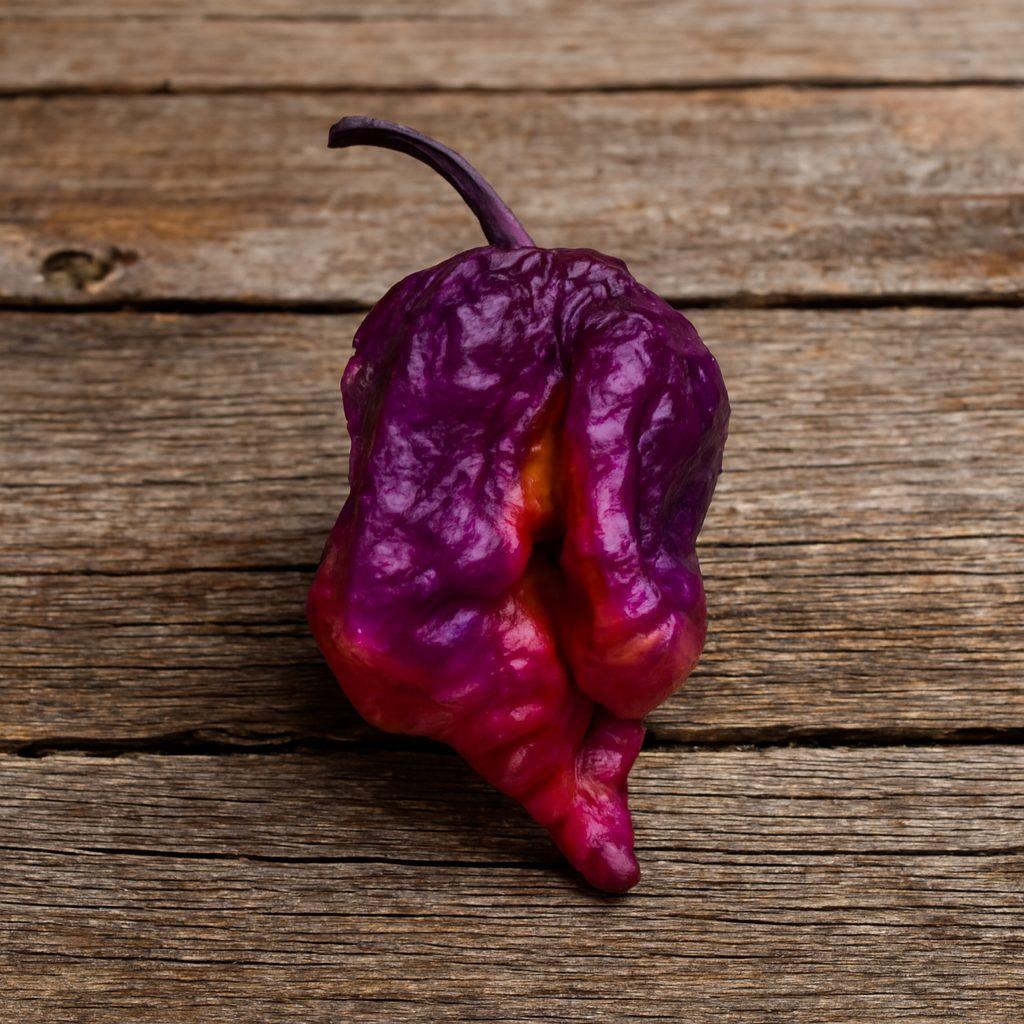
Orion is a visually arresting and thermally intense chili cultivar belonging to the Capsicum chinense species. This hybrid variety, developed through a deliberate cross of three elite superhot lines, is celebrated for its dramatic pigmentation, blistering heat, and complex flavor profile. With pods that transition from deep purple to molten orange and red, Orion is as ornamental as it is culinary. Though still considered semi-stable, it has gained traction among collectors, artisan growers, and hot sauce producers seeking a cultivar that delivers both aesthetic impact and superhot performance.
- Cultivar Name: Orion
- Species: Capsicum chinense
- Common Names: None formally documented; occasionally referred to as “Orion Superhot” or “Purple Fire” in grower circles
- Type: Hybrid
Origin & Lineage
Geographic Origin:
Orion was developed in Italy by breeder Rocco Maltesi, whose work in the Picante Class of chili cultivars has produced several notable hybrids. The Orion was bred for ornamental appeal, flavor complexity, and extreme heat, and has since been distributed globally through specialty seed vendors and enthusiast networks. It performs well in both temperate and subtropical climates, including South Africa, where its dark foliage and vibrant pods offer striking contrast in garden beds and containers.
Cultural Significance:
As a modern hybrid, Orion does not hold traditional ritual or folkloric significance. However, it has become a symbol of innovation and intensity within the chili enthusiast community. Its dramatic color transitions and superhot classification have made it a favorite among competitive growers, hot sauce artisans, and ornamental gardeners. The cultivar is frequently featured in online forums, seed catalogs, and grow journals, where its aesthetic and culinary potential are celebrated.
Lineage / Hybridizer History:
Orion is a deliberate cross between Fatalii Gourmet Jigsaw, Big Red Mama, and Yaki Blue Fawn—three superhot varieties known for their heat, pigmentation, and pod structure. The hybrid was stabilized over multiple generations by Rocco Maltesi, who documented its development and shared seeds with the broader chili community. While some variation in pod shape and color may still occur, most plants produce consistent results under controlled conditions. The cultivar remains semi-stable, with ongoing refinement by growers seeking to lock in its traits.
Heat Profile
Scoville Rating (SHU):
1,000,000–1,500,000 SHU
Perceived Heat:
Superhot (500,000 or more SHU)
Heat Characteristics:
The heat of Orion is immediate and long-lasting. It begins with a sharp sting on the tongue and quickly spreads across the palate, inducing sweating, hiccups, and a pronounced endorphin rush. The burn is deep and persistent, often described as “molten” or “volcanic.” Despite its intensity, the heat is clean and does not carry the acrid bitterness found in some unstable superhots. When fermented or cooked, the burn integrates smoothly into sauces and rubs, offering a balanced yet powerful kick.
Flavor Profile
Tasting Notes:
Orion offers a complex flavor profile that begins with fruity sweetness and floral aromatics. Hints of tropical fruit, including mango and plum, are often noted, especially when the pods are used fresh. The flavor is bold and aromatic, making it suitable for gourmet applications.
Aftertaste / Finish:
The finish is smoky and slightly bitter, with lingering heat that dominates the palate. Roasting enhances the pepper’s natural sugars and brings out earthy undertones, while fermentation deepens its complexity.
Ideal Pairings:
- Fermented hot sauces
- Smoked meat rubs
- Tropical fruit chutneys
- Caribbean-style pepper mash
- Roasted vegetable salsas
Fruit Characteristics
Shape:
Elongated and slightly curved, often with a pointed tip and irregular lobing
Size:
Approximately 5 cm long, 2–2.5 cm diameter
Color Stages:
Immature: deep purple → Intermediate: light brown → Ripe: molten red or purplish-red
Wall Thickness:
Medium to thick
Texture & Skin:
Wrinkled and blistered, with a glossy sheen and dramatic color transitions.
Plant Details
Growth Habit:
Bushy
Plant Height & Width:
Height: 90 cm
Width: 60–90 cm
Foliage:
Dark green to purple, pubescent with ornamental appeal
Flower Color:
White with purple streaks
Days to Maturity:
100–120 days from transplant
Yield:
Moderate – estimated 40–70 pods per plant under optimal conditions.
Cultivation Information
Seed Count per Pack:
5 or 10 seeds (Presoaking Chilli Seeds)
Germination Time:
7–14 days (Germinating Chilli Seeds)
Optimal Germination Temp:
25–30°C (Essential guide to ideal temperatures and humidity for chilli seed germination)
Light Requirements:
Filtered sun
Soil Preferences:
- pH: 6.0–6.8
- Well-drained loamy soil
- High organic matter content (Easy DIY soil mixes)
Storage Tips:
Store seeds in airtight containers in a cool, dry place. Silica gel packets may be used to reduce moisture. Avoid refrigeration unless seeds are vacuum-sealed.
Notable Compounds
Capsaicinoid Content:
High concentrations of capsaicin and dihydrocapsaicin are responsible for its superhot classification. These compounds are concentrated in the placenta and inner walls of the pod.
Volatile Flavor Compounds:
Trace amounts of limonene and vanillin have been reported in fermented preparations, contributing to citrus and floral notes
Anthocyanins / Pigments:
Purple pigmentation is expressed in both foliage and immature pods, inherited from Yaki Blue Fawn. The mottled coloration is driven by anthocyanin expression and chlorophyll degradation during ripening.
Culinary & Cultural Use
Traditional Uses:
As a modern hybrid, Orion is not part of traditional culinary heritage. However, it is increasingly used in artisan hot sauces, tropical salsas, and experimental fermentations. Its flavor and heat make it ideal for gourmet applications and specialty blends.
Raw vs Cooked Flavor:
Raw: fruity, floral, and intensely hot
Cooked: flavor deepens, sugars caramelize, and heat becomes more integrated
Regional Dishes:
- Caribbean-style pepper mash
- Artisan hot sauces with mango or pineapple bases
- South African-style peri-peri sauces
- Fermented chili pastes with tropical fruit infusions
Storage / Drying / Preserving Tips:
- Air-dry whole pods in a shaded, ventilated area
- Use dehydrators at low temperatures to preserve volatile compounds
- Ferment with 2% salt brine for 4–6 weeks for complex flavor development
- Store dried pods in vacuum-sealed bags to prevent oxidation


Reviews
There are no reviews yet.