
Description
Product Name: Tiger Teeth
Tiger Teeth is a rare and visually commanding chili cultivar within the Capsicum chinense species, known for its elongated habanero-type pods, explosive heat, and ornamental vigor. This heirloom variety originates from Guyana and has gained recognition among collectors and culinary enthusiasts for its bold flavor, solid growth habit, and fiery potency. With pods that resemble curved fangs and a heat level that can exceed 250,000 Scoville Heat Units, Tiger Teeth is not only a showpiece in the garden but also a formidable ingredient in spice-forward cuisine. Its name evokes both its shape and its bite—sharp, aggressive, and unforgettable.
- Cultivar Name: Tiger Teeth
- Species: Capsicum chinense
- Common Names: None formally documented
- Type: Heirloom
Origin & Lineage
Geographic Origin:
Tiger Teeth originates from Guyana, a country in northern South America known for its rich biodiversity and deep-rooted chili traditions. The region’s tropical climate and fertile soils have long supported the cultivation of pungent, flavorful peppers. While the exact lineage of Tiger Teeth remains undocumented, its pod structure and heat profile suggest a close relationship to elongated habanero types commonly grown throughout the Caribbean and northern South America.
Cultural Significance:
Although Tiger Teeth is a relatively recent introduction to the global chili community, its genetic heritage is steeped in Caribbean culinary culture. In Guyana and neighboring countries, habanero-type peppers are used extensively in pepper sauces, stews, and meat rubs. These peppers are not only valued for their heat but also for their ability to enhance flavor and preserve food. While no ritual or folkloric uses have been recorded for Tiger Teeth specifically, its role in traditional spice blends and hot sauces reflects a broader cultural reverence for pungent chilies.
Lineage / Hybridizer History:
Tiger Teeth is considered an open-pollinated heirloom cultivar. It was not developed through formal hybridization but rather selected and stabilized through traditional seed-saving practices. The variety has been refined by growers for traits such as pod weight, shape, and heat intensity. Its elongated, fang-like pods and consistent productivity suggest multiple generations of selection, though no single breeder has claimed proprietary rights. The cultivar is now distributed through specialty seed vendors and enthusiast networks, where it continues to gain traction for its ornamental and culinary value.
Heat Profile
Scoville Rating (SHU):
Estimated between 200,000 and 250,000 SHU
Perceived Heat:
Extremely Hot (150,000 to 500,000 SHU)
Heat Characteristics:
Tiger Teeth delivers a sharp, immediate burn that intensifies rapidly. The heat is concentrated in the placenta and inner walls, making even small portions potent. Cooler growing conditions have been observed to increase capsaicinoid production, resulting in even more aggressive heat levels. The burn is frontal and persistent, often described as “explosive” and “lingering,” making it suitable for sauces and powders that require sustained intensity.
Flavor Profile
Tasting Notes:
The flavor of Tiger Teeth is bright and grassy, with a clean, vegetal sharpness that complements its heat. Unlike some superhots that offer fruity or floral notes, this cultivar leans toward a savory, green profile with subtle citrus undertones. The taste is crisp and assertive, making it ideal for raw applications and fresh salsas.
Aftertaste / Finish:
The finish is pungent and slightly bitter, with lingering notes of green pepper and spice. When dried or fermented, the flavor deepens and becomes more earthy, enhancing its utility in spice blends and sauces.
Ideal Pairings:
- Caribbean pepper sauces
- Pickled chili rings
- Vinegar-based marinades
- Spicy chutneys
- Dry rubs for grilled meats
Fruit Characteristics
Shape:
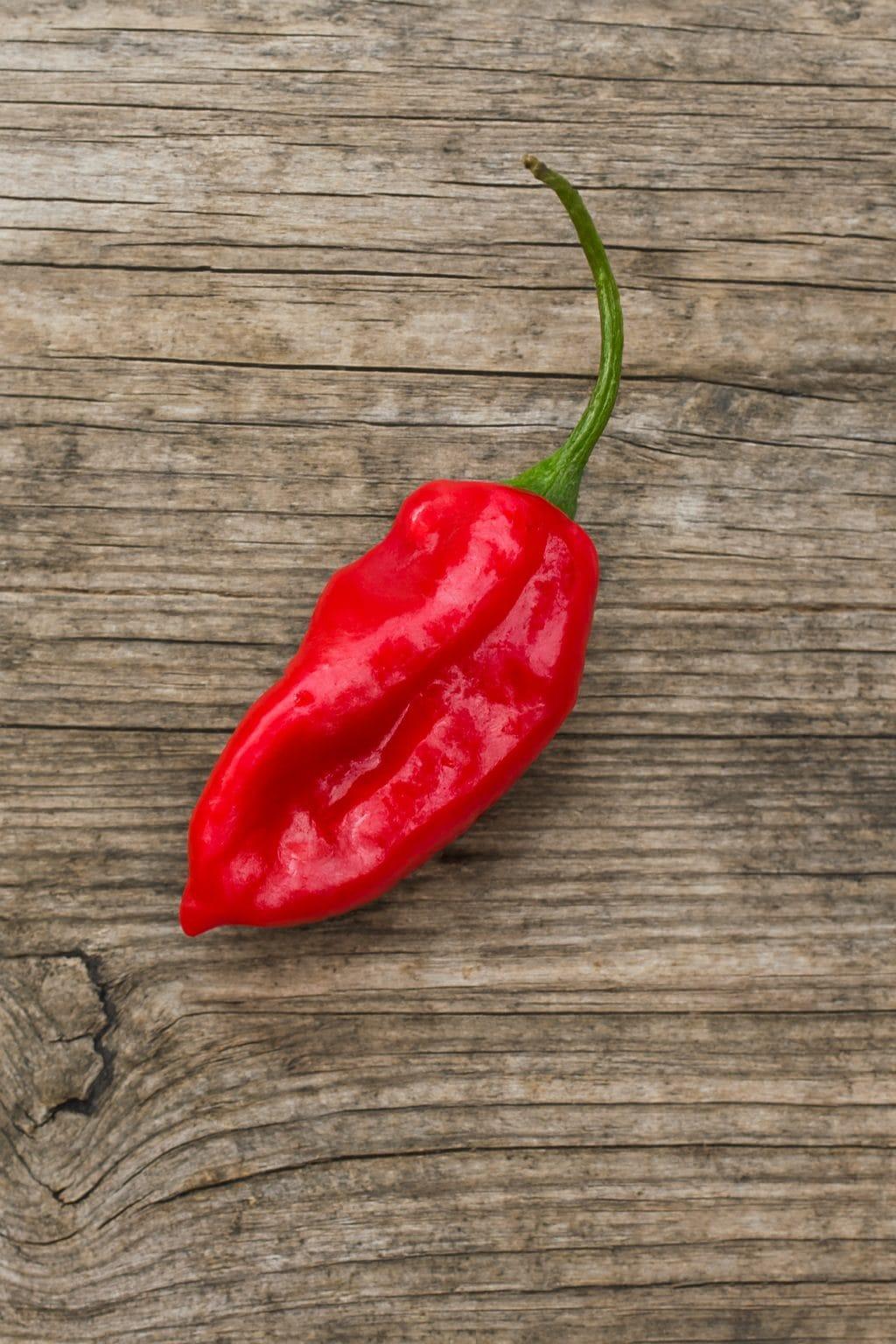
Elongated, curved pods resembling fangs; pendant orientation
Size:
Approximately 5–8 cm long, 2.5 cm diameter
Color Stages:
Immature: green → Ripe: orange → Fully mature: deep red
Wall Thickness:
Medium
Texture & Skin:
Smooth with occasional wrinkling; firm and glossy surface.
Plant Details
Growth Habit:
Bushy
Plant Height & Width:
Height: 60–76 cm
Width: 45–60 cm
Foliage:
Dark green, slightly pubescent
Flower Color:
White
Days to Maturity:
90–100 days from transplant
Yield:
Moderate – typically 40–60 pods per plant under optimal conditions.
Cultivation Information
Seed Count per Pack:
5 or 10 seeds (Presoaking Chilli Seeds)
Germination Time:
10–14 days (Germinating Chilli Seeds)
Optimal Germination Temp:
25–30°C (Essential guide to ideal temperatures and humidity for chilli seed germination)
Light Requirements:
Filtered sun
Soil Preferences:
Prefers well-drained soil rich in organic matter; pH range 6.0–6.8 (Easy DIY soil mixes)
Storage Tips:
Store seeds in airtight containers in a cool, dry place. Refrigeration is recommended for long-term viability.
Notable Compounds
Capsaicinoid Content:
High concentrations of capsaicin and dihydrocapsaicin, contributing to its pungency and anti-inflammatory properties
Volatile Flavor Compounds:
Limonene (citrus aroma), hexanal (green note), and trace vanillin (sweetness) have been suggested based on flavor profile comparisons
Anthocyanins / Pigments:
No purple pigmentation observed; the cultivar expresses uniform red coloration without variegation.
Culinary & Cultural Use
Traditional Uses:
- Caribbean pepper sauces
- Latin American salsas
- Pickled chili rings
- Spicy marinades
- Chili powders and flakes
Raw vs Cooked Flavor:
Raw pods deliver a crisp, grassy bite with immediate heat. When roasted or grilled, the bitterness softens and the green notes deepen. Pickling enhances the tang and preserves the pod’s texture, while fermentation adds complexity and umami depth.
Regional Dishes:
- Guyanese pepper sauce
- Trinidadian escabeche
- Caribbean jerk chicken
- Latin-style ceviche with chili infusion
- Spicy rice and bean dishes
Storage / Drying / Preserving Tips:
- Air-dry whole pods in a shaded, ventilated area
- Use a dehydrator at low heat to preserve volatile compounds
- Ferment chopped pods with salt for 2–4 weeks for mash-based sauces
- Store dried pods in vacuum-sealed bags to retain flavor and potency

Reviews
There are no reviews yet.