
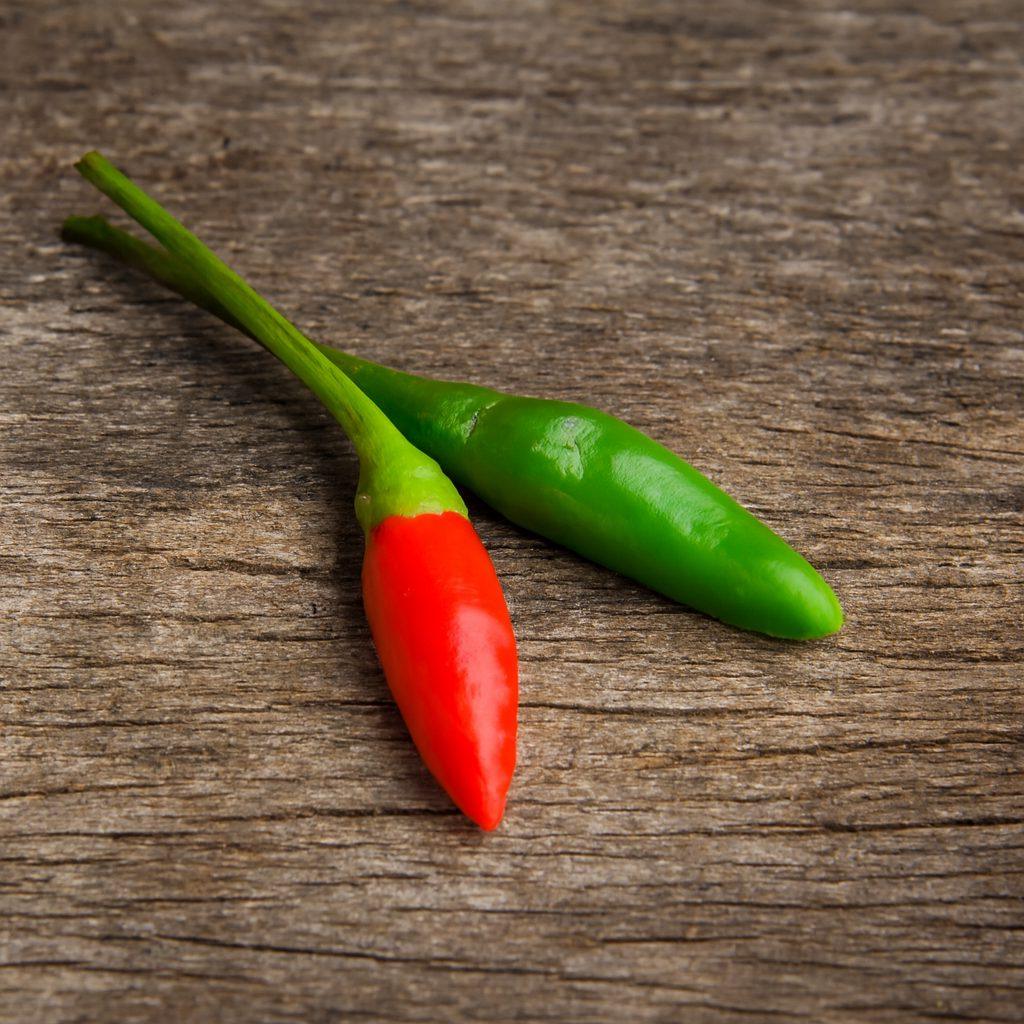
Description
Product Name: Zimbabwe Bird Eye
Zimbabwe Bird Eye is a compact, prolific Capsicum frutescens cultivar renowned for its upright fruiting habit, intense heat, and cultural significance across Southern Africa. Often referred to as “Goat’s Weed” or “Piri Piri,” this heirloom variety is deeply embedded in regional culinary traditions and has gained international recognition for its fiery flavor and ornamental appeal. Though small in stature, both the plant and its bullet-shaped pods deliver a powerful punch, making Zimbabwe Bird Eye a staple in sauces, marinades, and dried spice blends. Its adaptability to container growing and minimal care requirements further enhance its appeal to growers and chefs alike.
- Cultivar Name: Zimbabwe Bird Eye
- Species: Capsicum frutescens
- Common Names: Goat’s Weed, Piri Piri, Pili Pili
- Type: Heirloom
Origin & Lineage
Geographic Origin:
Native to Zimbabwe, this cultivar has been cultivated for generations across Southern Africa. Its popularity extends into neighboring countries such as Mozambique, Zambia, and South Africa, where it thrives in both wild and cultivated settings. Zimbabwe Bird Eye is considered a landrace variety—adapted over time to local conditions and selected for its heat, resilience, and culinary value.
Cultural Significance:
Zimbabwe Bird Eye holds deep cultural importance in African cuisine. Known locally as “Piri Piri,” which translates to “pepper pepper” in Swahili, it is a key ingredient in the famous peri-peri sauce used across the continent and in Portuguese-influenced dishes. The pepper is traditionally used to spice up stews, soups, rice dishes, and grilled meats. In Zimbabwean households, it is often dried and ground into powder or infused into oils for daily cooking. Its fiery nature has also earned it a place in folklore, where it is said to “chase away evil spirits” due to its intensity.
Lineage / Hybridizer History:
As a landrace heirloom, Zimbabwe Bird Eye has no single documented breeder. It is believed to have evolved naturally through open-pollination and farmer selection. Its genetic lineage is closely related to other African bird’s eye types, such as the Malawi Piri Piri and Mozambican Pili Pili. However, Zimbabwe Bird Eye is distinguished by its smaller pod size, upright growth habit, and higher pungency. The cultivar has been stabilized through decades of cultivation and is now distributed by specialty seed vendors across Africa, Europe, and Australia.
Heat Profile
Scoville Rating (SHU):
100,000–225,000 SHU
Perceived Heat:
Very Hot (50,000 to 150,000 SHU)
Heat Characteristics:
The heat of Zimbabwe Bird Eye is immediate and sharp. It begins with a tingling sensation on the tongue and lips, followed by a deep burn that spreads to the throat. The intensity builds quickly and lingers, making it ideal for dishes that require sustained heat. When dried, the heat concentrates further, delivering a potent kick even in small quantities. The burn is clean and does not overwhelm the palate when used sparingly.
Flavor Profile
Tasting Notes:
Zimbabwe Bird Eye offers a bold, fiery flavor with a distinct piquancy. The initial taste is peppery and slightly bitter, followed by a clean heat that enhances savory dishes. Unlike fruity superhots, this cultivar delivers a more utilitarian flavor—ideal for drying, grinding, and blending into spice mixes.
Aftertaste / Finish:
The finish is dry and slightly metallic, with lingering heat and a faint vegetal note. When roasted or grilled, the bitterness softens and a mild smokiness emerges.
Ideal Pairings:
- Peri-peri sauces with garlic and lemon
- Pickled blends with vinegar and herbs
- Dry rubs for grilled meats and fish
- Infused oils for stir-fries and marinades
- Chili powders for stews, soups, and rice dishes
Fruit Characteristics
Shape:
Bullet-shaped, upright pods with tapered tips
Size:
1–2 cm long, 0.5–1 cm diameter
Color Stages:
- Immature: green
- Transition: orange
- Ripe: bright red
Wall Thickness:
Thin
Texture & Skin:
Smooth and glossy; skin is firm and dries easily.
Plant Details
Growth Habit:
Compact and bushy with upright fruiting
Plant Height & Width:
30–50 cm tall, 30–40 cm wide
Foliage:
Dark green, slightly pubescent
Flower Color:
White
Days to Maturity:
90–110 days from transplanting
Yield:
High – typically 80–120 pods per plant under optimal conditions.
Cultivation Information
Seed Count per Pack:
5 or 10 seeds (Presoaking Chilli Seeds)
Germination Time:
7–14 days (Germinating Chilli Seeds)
Optimal Germination Temp:
25–30°C (Essential guide to ideal temperatures and humidity for chilli seed germination)
Light Requirements:
Filtered sun
Soil Preferences:
Well-drained loamy soil with pH between 6.0 and 6.8; enriched with compost or aged manure (Easy DIY soil mixes)
Storage Tips:
Store seeds in airtight containers in a cool, dry place. Silica gel packets may be used to reduce humidity and extend viability.
Notable Compounds
Capsaicinoid Content:
High concentrations of capsaicin and dihydrocapsaicin contribute to its very hot classification. These compounds are concentrated in the placental tissue and inner walls of the pod.
Volatile Flavor Compounds:
Trace amounts of limonene and aldehydes may be present, contributing to the pepper’s sharp aroma when sliced or roasted.
Anthocyanins / Pigments:
No significant anthocyanin expression in ripe pods; pigmentation is dominated by carotenoids such as capsanthin and beta-carotene, responsible for the red hue.
Culinary & Cultural Use
Traditional Uses:
Zimbabwe Bird Eye is a cornerstone of Southern African cuisine. It is used to prepare:
- Peri-peri sauce (with garlic, lemon, and oil)
- Pickled chili blends for table condiments
- Dried chili powder for seasoning stews and soups
- Infused oils for cooking and marinades
- Fire-roasted chili pastes for grilled meats
Raw vs Cooked Flavor:
Raw pods deliver a sharp, bitter heat with a dry finish. Cooking—especially roasting or grilling—softens the bitterness and introduces a smoky depth. Pickling adds tang and reduces the harsh edge, while fermentation deepens the flavor and introduces umami complexity.
Regional Dishes:
- Peri-peri chicken (Mozambique and Zimbabwe)
- Sadza with spicy relish
- Tomato-based stews with chili infusion
- South African braai rubs with dried Bird Eye flakes
- Zimbabwean chili oil for dipping and drizzling
Storage / Drying / Preserving Tips:
- Air-dry whole pods in shaded, ventilated areas to preserve flavor and color
- Slice and dehydrate for faster drying and powder production
- Pickle in vinegar with garlic and herbs for extended shelf life
- Ferment with salt and citrus for chili paste
- Vacuum seal dried pods to prevent oxidation and flavor degradation


Reviews
There are no reviews yet.