
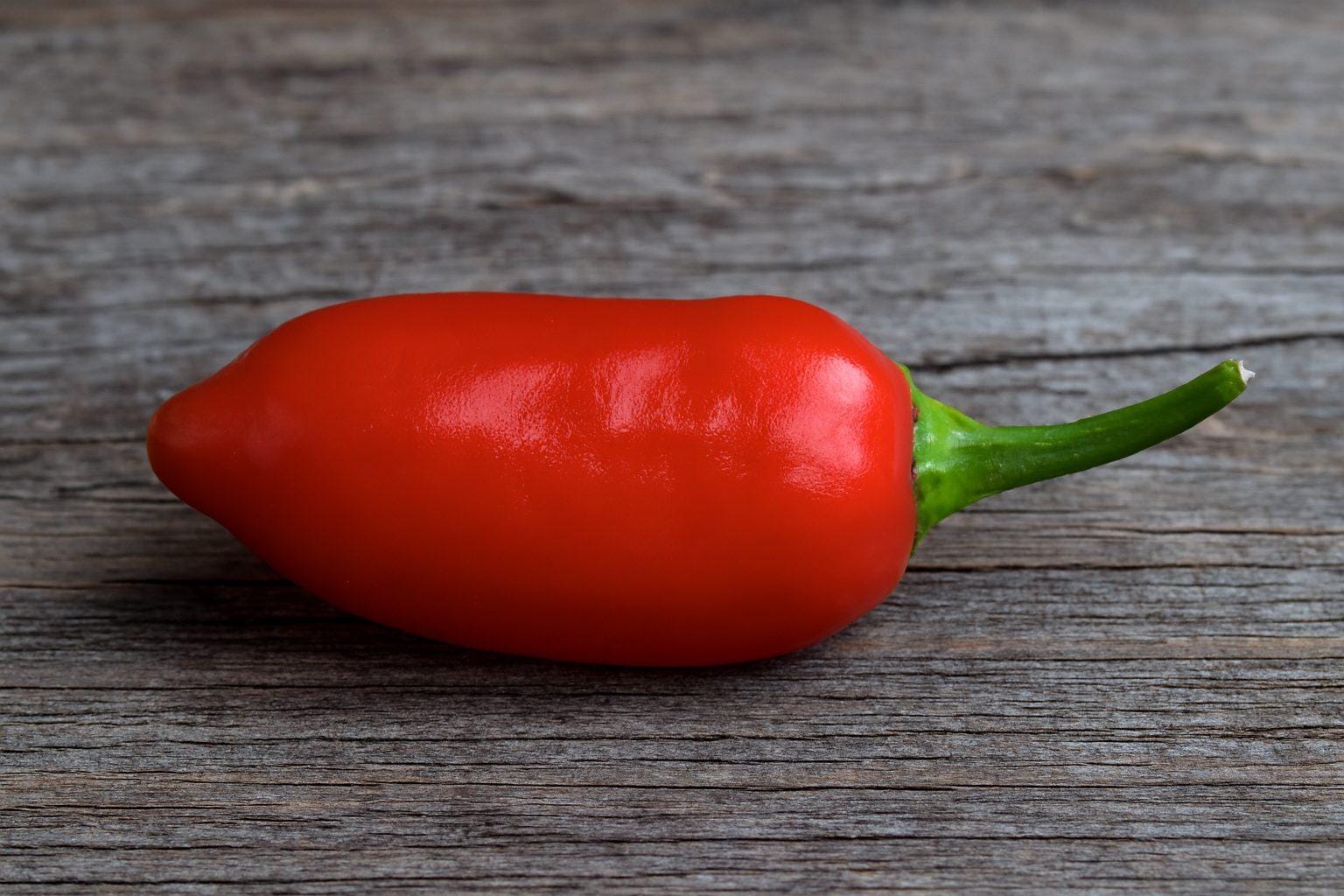
Description
Product Name: Aji Benito
Aji Benito is a compact, early-producing Capsicum baccatum cultivar native to Bolivia, prized for its ornamental appeal, fruity flavor, and medium heat. This heirloom variety has gained popularity among growers and culinary enthusiasts for its reliable yield, thin-walled pods, and versatility in both fresh and preserved forms. With its bright red, flattened fruits held proudly above the foliage, Aji Benito offers both aesthetic charm and culinary utility. It is frequently used in sauces, salsas, and dried chili powders, and has become a staple in gardens that value flavor as much as form.
- Cultivar Name: Aji Benito
- Species: Capsicum baccatum
- Common Names: None formally documented
- Type: Heirloom
Origin & Lineage
Geographic Origin:
Aji Benito originates from Bolivia, a country known for its rich diversity of Capsicum baccatum cultivars. The Bolivian highlands and valleys provide ideal growing conditions for baccatum varieties, with their cooler nights and extended growing seasons. Aji Benito was selected for its compact growth habit, early fruiting, and ornamental value, making it suitable for both small-scale farming and container gardening.
Cultural Significance:
Although Aji Benito does not have documented ritual or folkloric use, it belongs to a lineage of peppers that have long been cultivated in South American kitchens. Baccatum varieties are commonly used in traditional ají sauces, which are central to Bolivian and Peruvian cuisine. The fruity aroma and manageable heat of Aji Benito make it ideal for family-style cooking, where flavor complexity is favored over extreme pungency. Its thin walls and early ripening also make it a preferred choice for drying and powder production, contributing to its cultural utility.
Lineage / Hybridizer History:
As an heirloom cultivar, Aji Benito has no single documented breeder. It is believed to have been stabilized through open-pollination and generational selection by Bolivian farmers. The variety was introduced to European and North American seed banks in the early 2000s, where it was further trialed for ornamental and culinary performance. Its flattened pod shape and upright fruiting habit suggest influence from other Bolivian baccatum lines, though its exact parentage remains undocumented. Today, it is distributed by specialty seed vendors and grown in diverse climates, including temperate zones and high-altitude gardens.
Heat Profile
Scoville Rating (SHU):
Approximately 3,000–8,000 SHU
Perceived Heat:
Medium (1,000 to 15,000 SHU)
Heat Characteristics:
The heat of Aji Benito is gentle and well-balanced. It begins with a mild sting near the placenta and fades quickly, allowing the fruity flavor to dominate. The burn is localized, typically felt on the tongue and lips, and does not linger. This cultivar is ideal for those seeking flavor-forward peppers with a manageable kick. When dried, the heat concentrates slightly, making it suitable for chili powders and rubs.
Flavor Profile
Tasting Notes:
Aji Benito delivers a bright, fruity flavor with floral undertones and a subtle grassy aroma. The sweetness is immediate, followed by a soft tang that enhances its culinary versatility. The flavor has been compared to Aji Rico and other Bolivian baccatum types, though Aji Benito offers a more concentrated fruitiness due to its thin walls and early ripening.
Aftertaste / Finish:
The finish is clean and slightly earthy, with no lingering bitterness. When roasted, the flavor deepens and gains a smoky note, while fermentation enhances its floral complexity.
Ideal Pairings:
- Fresh salsas with tomato and lime
- Pickled blends with vinegar and herbs
- Ají sauces for grilled meats and vegetables
- Dried chili powders for rubs and marinades
- Fermented chili pastes with garlic and citrus
Fruit Characteristics
Shape:
Flattened and slightly squashed, resembling a compressed Aji Rico
Size:
3–6 cm long, 2–3 cm diameter
Color Stages:
- Immature: light green
- Ripe: bright red
Wall Thickness:
Thin
Texture & Skin:
Slightly wrinkled with a glossy finish; skin is delicate and dries easily.
Plant Details
Growth Habit:
Compact and spreading
Plant Height & Width:
80–90 cm tall, 60 cm wide
Foliage:
Dark green, slightly pubescent
Flower Color:
White with greenish-yellow corolla typical of baccatum species
Days to Maturity:
90–110 days from germination
Yield:
High – typically 80–120 pods per plant under optimal conditions.
Cultivation Information
Seed Count per Pack:
5 or 10 seeds (Presoaking Chilli Seeds)
Germination Time:
7–14 days (Germinating Chilli Seeds)
Optimal Germination Temp:
25–30°C (Essential guide to ideal temperatures and humidity for chilli seed germination)
Light Requirements:
Filtered sun
Soil Preferences:
Well-drained loamy soil with pH between 6.0 and 6.8; enriched with compost or aged manure (Easy DIY soil mixes)
Storage Tips:
Store seeds in airtight containers in a cool, dry place. Silica gel packets may be used to reduce humidity and extend viability.
Notable Compounds
Capsaicinoid Content:
Moderate levels of capsaicin and trace dihydrocapsaicin contribute to its medium heat profile. These compounds are concentrated near the placenta and inner walls.
Volatile Flavor Compounds:
Limonene and aldehydes contribute to the fruity aroma. These compounds become more pronounced during roasting and fermentation.
Anthocyanins / Pigments:
No significant anthocyanin expression; pigmentation is dominated by carotenoids such as capsanthin and beta-carotene, responsible for the red hue.
Culinary & Cultural Use
Traditional Uses:
Aji Benito is frequently used in Bolivian-style ají sauces, fresh salsas, and pickled preparations. Its thin walls and fruity flavor make it ideal for drying and grinding into chili powder. It is also used in soups, stews, and oil infusions, where its mild heat and aromatic profile enhance the dish without overpowering it.
Raw vs Cooked Flavor:
Raw pods deliver a crisp, fruity heat with grassy undertones. Cooking enhances the sweetness and introduces a smoky depth. Pickling softens the texture and adds tang, while fermentation amplifies the floral and citrus notes.
Regional Dishes:
- Ají de fideo (Bolivian noodle stew)
- Salsa llajwa (Bolivian tomato and chili salsa)
- Pickled ají ribbons in vinegar brine
- Chili-infused oils for grilled meats
- Dried chili powder for seasoning soups and sauces
Storage / Drying / Preserving Tips:
- Air-dry whole pods in shaded, ventilated areas to preserve flavor and color
- Slice and dehydrate for faster drying and powder production
- Pickle in vinegar with garlic and herbs for extended shelf life
- Ferment with salt and citrus for chili paste
- Vacuum seal dried pods to prevent oxidation and flavor degradation


Reviews
There are no reviews yet.