
Description
Product Name: Mustard Habanero
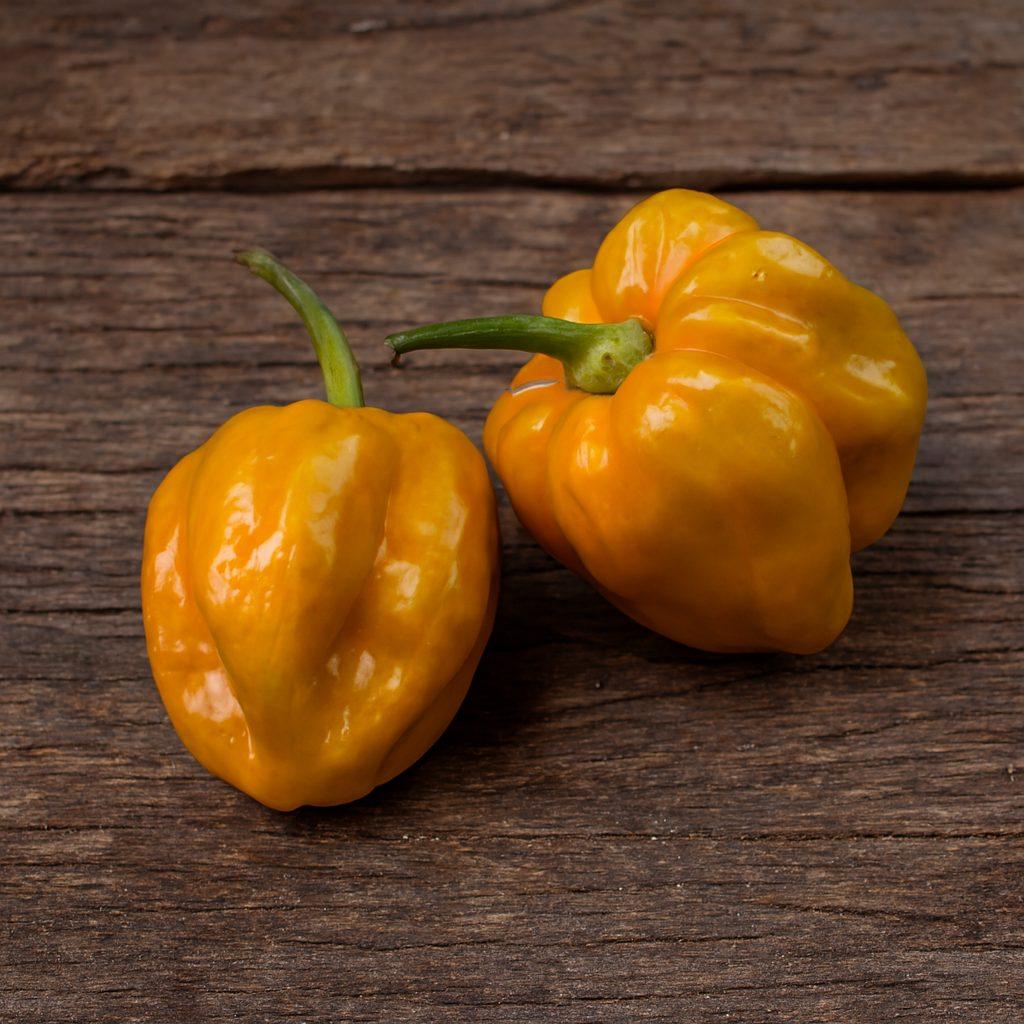
The Mustard Habanero is a visually arresting and intensely pungent cultivar within the Capsicum chinense species, known for its distinctive mustard-colored pods and fiery heat. This variety has gained popularity among chili enthusiasts and specialty growers for its ornamental appeal, robust flavor, and culinary versatility. Though it shares lineage with traditional habaneros, the Mustard Habanero stands apart due to its unique pigmentation and slightly altered flavor profile. It is often cultivated for artisanal hot sauces, spice blends, and fermented preparations, and has become a staple in collections of rare and high-heat cultivars.
- Cultivar Name: Mustard Habanero
- Species: Capsicum chinense
- Common Names: None formally documented
- Type: Heirloom
Origin & Lineage
Geographic Origin:
The Mustard Habanero traces its roots to the Yucatán Peninsula in Mexico, a region historically recognized as the birthplace of the habanero species. The hot, humid climate of the Yucatán has long supported the cultivation of chinense peppers, and the Mustard Habanero is believed to have emerged through natural variation and selective breeding within this environment. Its mustard coloration is a phenotypic mutation that was stabilized over time by growers seeking visual and flavor diversity.
Cultural Significance:
While the Mustard Habanero itself does not have a documented folkloric or ritual use, its parent species—Capsicum chinense—has deep cultural ties to Mesoamerican cuisine and traditional medicine. Habaneros have been used for centuries in regional dishes, particularly in Yucatán-style salsas and marinades. The Mustard Habanero continues this legacy, often featured in modern interpretations of traditional recipes, especially where visual impact and elevated heat are desired.
Lineage / Hybridizer History:
The Mustard Habanero is considered an heirloom cultivar, with no single breeder credited for its development. It likely originated as a color variant of the classic orange habanero and was stabilized through open-pollination and generational selection. Growers in Europe and North America have contributed to its preservation, with seed banks and specialty nurseries offering it as part of rare chili collections. Its consistent pod shape, color progression, and heat level suggest that it has reached a stable phenotype suitable for legacy cultivation.
Heat Profile
Scoville Rating (SHU):
100,000–250,000 SHU
Perceived Heat:
Extremely Hot (150,000 to 500,000 SHU)
Heat Characteristics:
The heat of Mustard Habanero is immediate and aggressive, often described as a sharp sting that intensifies rapidly. It affects the tongue, lips, and throat, with a lingering burn that can persist for several minutes. Despite its intensity, the heat is clean and does not overpower the pepper’s underlying flavor. This cultivar is best suited for experienced chili consumers and should be handled with care during preparation.
Flavor Profile
Tasting Notes:
The Mustard Habanero offers a complex flavor profile that begins with a fruity tang reminiscent of apricot and citrus. This sweetness is quickly followed by earthy undertones and a subtle smokiness. The flavor is more nuanced than traditional orange habaneros, with a slightly fermented note that emerges when the pods are dried or roasted.
Aftertaste / Finish:
The finish is long and warming, with residual bitterness and a faint floral echo. When cooked, the bitterness softens and the fruitiness becomes more pronounced, making it ideal for sauces and marinades.
Ideal Pairings:
- Fermented hot sauces with tropical fruit bases
- Pickled chili blends with garlic and vinegar
- Dry rubs for grilled meats and seafood
- Spicy mustard infusions and chili jams
Fruit Characteristics
Shape:
Lantern-like, slightly elongated with a rounded base
Size:
4–5 cm long, 2–3 cm diameter
Color Stages:
- Immature: green
- Ripe: mustard yellow to amber
Wall Thickness:
Medium
Texture & Skin:
Wrinkled and slightly blistered; skin may appear glossy under full sun.
Plant Details
Growth Habit:
Bushy
Plant Height & Width:
90–120 cm tall, 60–80 cm wide
Foliage:
Dark green, slightly pubescent
Flower Color:
White
Days to Maturity:
90–100 days from germination
Yield:
Moderate – typically 40–60 pods per plant under optimal conditions.
Cultivation Information
Seed Count per Pack:
5 or 10 seeds (Presoaking Chilli Seeds)
Germination Time:
7–14 days (Germinating Chilli Seeds)
Optimal Germination Temp:
25–30°C (Essential guide to ideal temperatures and humidity for chilli seed germination)
Light Requirements:
Filtered sun
Soil Preferences:
Loamy, well-drained soil with pH between 6.0 and 6.8; enriched with compost or aged manure (Easy DIY soil mixes)
Storage Tips:
Store seeds in airtight containers in a cool, dry place. Silica gel packets may be used to reduce humidity and extend viability.
Notable Compounds
Capsaicinoid Content:
High concentrations of capsaicin and dihydrocapsaicin contribute to its extreme heat. These compounds are most concentrated in the placental tissue and inner walls of the pod.
Volatile Flavor Compounds:
Limonene and esters are present in trace amounts, contributing to the fruity aroma. Vanillin-like compounds may emerge during roasting or fermentation.
Anthocyanins / Pigments:
No significant anthocyanin expression; the mustard coloration is due to carotenoid dominance, particularly capsanthin and violaxanthin.
Culinary & Cultural Use
Traditional Uses:
While not documented in ancient recipes, Mustard Habanero has been adopted into modern culinary applications that build on traditional habanero use. It is frequently used in:
- Ají-style sauces
- Fermented chili pastes
- Salsas with tropical fruit bases
- Dry rubs and infused oils
Raw vs Cooked Flavor:
Raw pods deliver a sharp, fruity heat with a crisp texture. Cooking—especially roasting or grilling—enhances the sweetness and introduces a smoky depth. Pickling softens the burn and amplifies the fruitiness.
Regional Dishes:
- Caribbean-style pepper sauces
- Mexican habanero salsas
- Homemade spicy mustard blends
- Southeast Asian chili jams
Storage / Drying / Preserving Tips:
- Air-dry whole pods in shaded, ventilated areas to preserve flavor
- Slice and dehydrate for faster drying and powder production
- Ferment with garlic and salt for chili paste
- Vacuum seal dried pods to prevent oxidation and flavor loss



Reviews
There are no reviews yet.