
Description
Product Name: Purple Haze
Cultivar Name: Purple Haze
Species: Capsicum annuum
Common Names: None widely documented
Type: Hybrid
Origin & Lineage
Geographic Origin:
Purple Haze is believed to have originated from selective breeding programs focused on ornamental and culinary traits within the Capsicum annuum species. While its exact geographic origin remains undocumented, it is commonly cultivated and distributed by specialty seed companies in Australia, Finland, and South Africa. The cultivar has gained popularity among growers for its vivid pigmentation and prolific fruiting habit.
Cultural Significance:
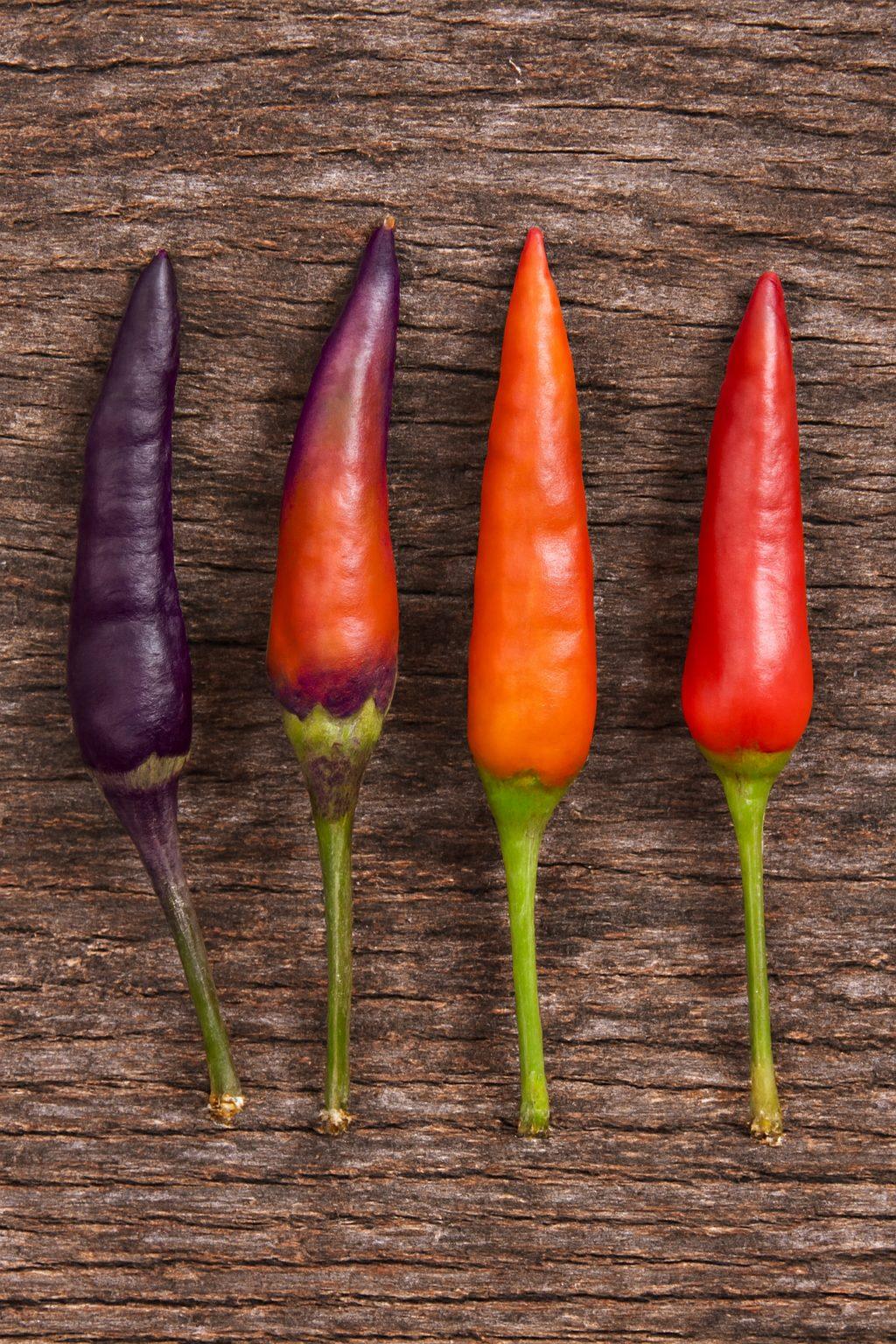
Although Purple Haze does not have deep-rooted folkloric or ritual significance, its ornamental appeal has made it a favorite in home gardens and boutique culinary circles. The striking purple-to-red color transition evokes visual interest, often used to elevate the aesthetic of dishes and garden beds alike. In contemporary culinary use, it is favored for its balance of heat and fruitiness, making it suitable for salsas, stir-fries, and gourmet garnishes.
Lineage / Hybridizer History:
The precise breeder of Purple Haze remains unconfirmed, though it is distributed by reputable vendors such as The Hippy Seed Company and Fatalii Seeds. It is considered a stable hybrid within the Capsicum annuum species, likely developed through generations of selection for pod color, productivity, and medium heat. The cultivar is often described as ideal for beginners due to its ease of growth and ornamental value.
Heat Profile
Scoville Rating (SHU): 5,000–15,000 SHU
Perceived Heat: Medium
Heat Characteristics:
Purple Haze delivers a crisp, immediate bite followed by a lingering warmth that builds gradually. The heat is described as bold yet approachable, making it suitable for a wide range of palates. While not overpowering, its burn is persistent enough to enhance dishes without overwhelming other flavors. The heat is evenly distributed throughout the pod, with a slight intensification near the placenta.
Flavor Profile
Tasting Notes:
The flavor of Purple Haze is often described as fruity with subtle sweetness. When fresh, the pods offer a crisp texture and a clean, vibrant taste. Some growers liken its flavor to a “velvet flame”—smooth yet fiery.
Aftertaste / Finish:
The finish is warm and slightly smoky, with a mild bitterness that complements the fruit-forward profile. When dried or roasted, the flavor deepens, revealing earthy undertones and a touch of citrus.
Ideal Pairings:
Purple Haze pairs well with:
- Mango or pineapple-based salsas
- Stir-fried vegetables and noodles
- Grilled meats and marinades
- Pickled relishes and fermented sauces
Fruit Characteristics
Shape: Slender, slightly curved pods
Size: Approximately 5–6 cm long, 1–1.5 cm diameter
Color Stages: Immature: deep purple → Ripe: red with orange and peach hues
Wall Thickness: Medium
Texture & Skin: Smooth and glossy, firm when fresh.
Plant Details
Growth Habit: Tall and vigorous
Plant Height & Width: 60–90 cm tall, 40–60 cm wide
Foliage: Dark green, slightly pubescent
Flower Color: White
Days to Maturity: 100–120 days from transplant
Yield: High – capable of producing large clusters of pods per plant.
Cultivation Information
Seed Count per Pack: 5 or 10 seeds (Presoaking Chilli Seeds)
Germination Time: 7–14 days (Germinating Chilli Seeds)
Optimal Germination Temp: 25–30°C (Essential guide to ideal temperatures and humidity for chilli seed germination)
Light Requirements: Filtered sun
Soil Preferences: Well-draining soil with pH 6.0–6.8, rich in organic matter (Easy DIY soil mixes)
Storage Tips: Store seeds in a cool, dry place in airtight containers to maintain viability for up to 2 years
Notable Compounds
Capsaicinoid Content:
Contains capsaicin and dihydrocapsaicin, contributing to its medium heat profile. These compounds are concentrated near the placenta and inner walls of the pod.
Volatile Flavor Compounds:
While specific volatile compounds have not been formally profiled for Purple Haze, similar Capsicum annuum varieties often contain limonene, vanillin, and trace esters that contribute to fruity and floral notes.
Anthocyanins / Pigments:
The deep purple coloration is attributed to anthocyanins, particularly delphinidin and cyanidin derivatives. These pigments are expressed strongly in immature pods and fade as the fruit ripens to red and orange hues.
Culinary & Cultural Use
Traditional Uses:
Though not tied to traditional recipes, Purple Haze is increasingly used in:
- Ají-style sauces
- Fermented chili pastes
- Salsas and chutneys
- Dry rubs and spice blends
Raw vs Cooked Flavor:
When raw, the pods offer a crisp texture and bright, fruity flavor. Cooking—especially roasting or grilling—enhances the sweetness and introduces smoky undertones. Pickling preserves the color and adds tangy complexity.
Regional Dishes:
Purple Haze has been featured in:
- Thai-style stir-fries
- South African peri-peri sauces
- Korean gochujang-inspired ferments
- Mexican-style escabeche
Storage / Drying / Preserving Tips:
To preserve flavor and color:
- Air-dry pods in a shaded, ventilated area
- Use dehydrators at low heat (below 45°C)
- Store dried pods in vacuum-sealed bags
- For fermentation, combine with garlic, salt, and vinegar in sterilized jars


Reviews
There are no reviews yet.