

Description
Product Name: Pi 260567
Cultivar Name: Pi 260567 (also known as CGN 23260)
Species: Capsicum baccatum var. baccatum
Common Names: Wild Baccatum, CGN 23260
Type: Heirloom
Origin & Lineage
Geographic Origin:
Pi 260567 is a wild Capsicum baccatum variety native to Bolivia, a country recognized for its rich chili biodiversity and deep cultural ties to pepper cultivation. This accession was originally collected and catalogued by the USDA and the Centre for Genetic Resources in the Netherlands (CGN), and it remains one of the few documented wild baccatum types available to growers and researchers. Its natural habitat includes rugged, semi-arid regions where wild peppers thrive in marginal soils and fluctuating temperatures.
Cultural Significance:
Although Pi 260567 is not widely used in traditional Bolivian cuisine, its wild lineage connects it to the ancestral roots of Capsicum domestication. Wild baccatum peppers have historically been foraged and incorporated into rustic sauces, medicinal infusions, and fermented preparations. In modern contexts, this cultivar is valued more for its genetic purity and ornamental appeal than for culinary tradition. Nonetheless, its flavor and heat profile have made it a niche favorite among collectors and experimental chefs seeking untamed, earthy notes in their dishes.
Lineage / Hybridizer History:
This cultivar was not bred through formal hybridization but rather collected as a wild accession. It was registered under USDA Plant Introduction number 260567 and later catalogued as CGN 23260 by European seed banks. Its genetic stability has been preserved through open pollination, and it is considered a foundational variety for studying Capsicum baccatum evolution. No known hybrid parentage is associated with Pi 260567, and its traits reflect the raw, unselected characteristics of wild baccatum populations.
Heat Profile
Scoville Rating (SHU):
Estimated between 10,000 and 30,000 SHU.
Perceived Heat:
Medium (1000 to 15000 SHU) to Hot (15000 to 50000 SHU), depending on ripeness and growing conditions.
Heat Characteristics:
The heat of Pi 260567 is sharp and immediate, with a fast onset that quickly fades. It has been described as clean and direct, lacking the lingering burn of superhot varieties. Because of its thin walls and small size, the heat is concentrated and can be surprisingly intense for such a compact fruit. When dried or fermented, the heat tends to mellow slightly, allowing its earthy undertones to emerge more prominently.
Flavor Profile
Tasting Notes:
Pi 260567 offers a bright, slightly fruity flavor with earthy and vegetal undertones. The initial bite delivers a crisp, green freshness followed by subtle notes of citrus and wild herbs. Its flavor is not overly sweet, but rather sharp and rustic, reflecting its wild origins.
Aftertaste / Finish:
The finish is dry and slightly smoky, especially when the pods are roasted or dehydrated. A faint bitterness may be present, which adds complexity to sauces and rubs. The flavor does not linger excessively, making it suitable for layering in multi-chili blends.
Ideal Pairings:
- Rustic salsas and ají-style sauces
- Fermented chili pastes with garlic and herbs
- Dry rubs for grilled meats and game
- Pickled blends with onions and carrots
- Chili powders for earthy, smoky seasoning
Fruit Characteristics
Shape:
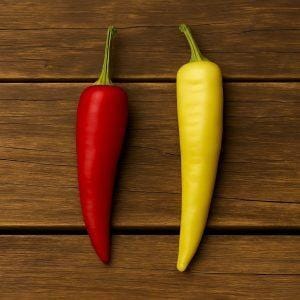
Small, elongated, and slightly tapered; often resembling a wild pequin or miniature baccatum pod.
Size:
Approximately 2.5 cm long and 0.8–1 cm in diameter.
Color Stages:
Immature: green → Ripe: red
Wall Thickness:
Thin
Texture & Skin:
Smooth and soft, with a delicate skin that bruises easily. The pods are not blistered or wrinkled, but may show slight dimpling near the calyx.
Plant Details
Growth Habit:
Bushy with a tendency to sprawl; may require support in high-yield conditions.
Plant Height & Width:
Height: 70–90 cm
Width: 60–80 cm
Foliage:
Dark green, slightly pubescent
Flower Color:
White with greenish-yellow markings typical of wild Capsicum baccatum
Days to Maturity:
90–100 days from transplant
Yield:
Moderate to High – plants can produce dozens of small pods under optimal conditions. In full sun and well-drained soil, yields are significantly increased.
Cultivation Information
Seed Count per Pack:
5 or 10 seeds (Presoaking Chilli Seeds)
Germination Time:
14–21 days (Germinating Chilli Seeds)
Optimal Germination Temp:
25–30°C (Essential guide to ideal temperatures and humidity for chilli seed germination)
Light Requirements:
Filtered sun
Soil Preferences:
Prefers well-draining soil with a pH of 6.0–6.8, enriched with compost or organic matter (Easy DIY soil mixes)
Storage Tips:
Store seeds in airtight containers in a cool, dry place. Refrigeration is recommended for long-term viability. Avoid exposure to moisture and direct sunlight.
Notable Compounds
Capsaicinoid Content:
Contains capsaicin and dihydrocapsaicin in moderate concentrations, contributing to its sharp heat profile.
Volatile Flavor Compounds:
Limonene and trace terpenes may be present, lending subtle citrus and herbal notes. These compounds are more pronounced when the pods are roasted or fermented.
Anthocyanins / Pigments:
No significant anthocyanin presence; the red coloration is likely due to carotenoid accumulation, primarily capsanthin and capsorubin.
Culinary & Cultural Use
Traditional Uses:
While not widely documented in traditional Bolivian cuisine, Pi 260567 is suitable for ají-style sauces, rustic salsas, and fermented chili pastes. Its wild flavor profile makes it ideal for experimental and artisanal preparations.
Raw vs Cooked Flavor:
Raw pods deliver a crisp, sharp heat with earthy undertones. When roasted, the flavor deepens and becomes slightly smoky. Fermentation enhances complexity, introducing tang and umami. Pickling softens the heat and preserves the fruit’s brightness.
Regional Dishes:
Although no named dishes specifically feature Pi 260567, it has been used in:
- Rustic ají sauces
- Wild chili pickles
- Fermented chili pastes with garlic and herbs
- Dry rubs for Bolivian-style grilled meats
Storage / Drying / Preserving Tips:
Due to its thin walls, Pi 260567 dries quickly and efficiently in dehydrators or low-humidity environments. For fermentation, pods should be sliced and submerged in brine with aromatics. Freezing is also effective for short-term preservation without significant flavor loss.



Reviews
There are no reviews yet.