

Description
Product Name: SRTSL
SRTSL, short for “Sara Ragoonan Trinidad Scorpion Long,” is a striking and potent cultivar of Capsicum chinense, known for its elongated pod shape, floral-fruity flavor, and formidable heat. This variety is a refined expression of the Trinidad Scorpion lineage, bred for its tail-like pod morphology and consistent pungency. Though often overshadowed by its more publicized relatives, the SRTSL has earned a loyal following among growers and sauce makers for its balance of flavor, heat, and ornamental appeal. It is open-pollinated and semi-stable, making it suitable for both collectors and culinary artisans seeking a reliable superhot with distinctive traits.
- Cultivar Name: SRTSL
- Species: Capsicum chinense
- Common Names: Sara Ragoonan Trinidad Scorpion Long
- Type: Heirloom
Origin & Lineage
Geographic Origin: The SRTSL originates from the island of Trinidad, part of the Caribbean archipelago. Trinidad has long been recognized as a cradle of superhot pepper genetics, with cultivars like the Trinidad Moruga Scorpion and 7 Pot varieties emerging from its fertile soils and humid climate. The SRTSL was selected for its elongated pod shape and tail, distinguishing it from rounder scorpion phenotypes.
Cultural Significance: While the SRTSL is not documented in traditional ritual or folkloric practices, its parent lineage—the Trinidad Scorpion—is deeply embedded in Caribbean culinary culture. Scorpion peppers have historically been used in local sauces, marinades, and preservation methods, often forming the backbone of fiery condiments served with meats and seafood. The SRTSL, by extension, carries this legacy forward, albeit with a more refined and elongated form that appeals to modern growers and chefs.
Lineage / Hybridizer History: The SRTSL was originally stabilized by Sara Ragoonan, a grower and breeder based in Trinidad. It is considered an elongated phenotype of the Trinidad Scorpion, selected for its tail-like pod tip and smoother skin. While many hybrids have since incorporated SRTSL genetics—such as BBG7 x SRTSL crosses—the original remains open-pollinated and semi-stable. It is currently in the F6–F7 generation among most seed distributors, with consistent pod shape and heat levels observed across multiple growing environments.
Heat Profile
Scoville Rating (SHU): 100,000–750,000 SHU
Perceived Heat: Extremely Hot
Heat Characteristics: The burn begins with a sharp sting on the tongue and lips, quickly spreading across the palate. It is a fast-onset heat, typical of Capsicum chinense superhots, and can linger for several minutes. Unlike some harsher superhots, the SRTSL delivers a cleaner burn with minimal bitterness. When dried, the heat becomes more concentrated and slightly more aggressive, making it ideal for powders and extracts. The heat is primarily concentrated in the placenta and inner walls, and even small quantities can elevate a dish to extreme levels.
Flavor Profile
Tasting Notes: Floral and fruity, with notes of citrus and tropical sweetness. The flavor is bright and aromatic, especially when fresh.
Aftertaste / Finish: A lingering sweetness followed by a dry, peppery finish. The floral notes become more pronounced as the heat subsides.
Ideal Pairings: Pairs well with mango, pineapple, garlic, and vinegar-based sauces. Ideal for hot sauces, chutneys, and marinades. Also complements smoked meats, grilled vegetables, and fermented preparations.
Fruit Characteristics
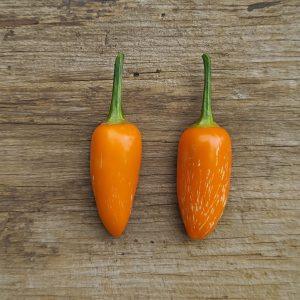
Shape: Elongated with a pronounced tail or nose at the tip
Size: 7–8 cm long, 2–2.5 cm diameter
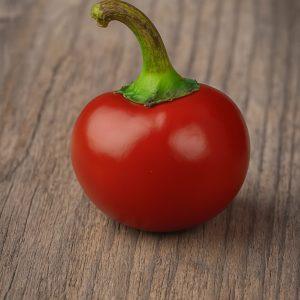
Color Stages: Immature: green → Ripe: bright red
Wall Thickness: Medium
Texture & Skin: Smooth with occasional wrinkling; glossy finish.
Plant Details
Growth Habit: Bushy with upright branching
Plant Height & Width: 120–150 cm tall, 80–100 cm wide
Foliage: Dark green, pubescent
Flower Color: White with purple accents
Days to Maturity: 100–120 days from germination
Yield: High – typically 100–150 pods per plant under optimal conditions
Cultivation Information
Seed Count per Pack: 5 or 10 seeds (Presoaking Chilli Seeds)
Germination Time: 7–14 days (Germinating Chilli Seeds)
Optimal Germination Temp: 25–30°C (Essential guide to ideal temperatures and humidity for chilli seed germination)
Light Requirements: Filtered sun
Soil Preferences: Prefers well-drained loamy soil with pH 6.0–6.8. Enrich with compost and potassium for optimal fruiting (Easy DIY soil mixes)
Storage Tips: Store seeds in airtight containers in a cool, dry place. Avoid exposure to light and moisture to maintain viability for up to 3 years.
Notable Compounds
Capsaicinoid Content: High levels of capsaicin and dihydrocapsaicin contribute to its extreme heat
Volatile Flavor Compounds: Limonene and citral are likely contributors to its citrus aroma; trace amounts of vanillin may enhance floral notes
Anthocyanins / Pigments: Minimal anthocyanin expression; pigmentation is primarily carotenoid-based, driving the red coloration.
Culinary & Cultural Use
Traditional Uses: Used in Caribbean-style pepper sauces, fiery marinades, and fermented chilli pastes. Often incorporated into meat rubs and seafood preparations.
Raw vs Cooked Flavor: Raw pods offer crisp texture and bright acidity. Cooking deepens the fruity notes and softens the floral edge. Roasting adds smokiness, while fermentation enhances umami and complexity.
Regional Dishes: Commonly used in Trinidadian pepper sauces and chutneys. Also featured in fusion dishes such as tropical hot wings, citrus-glazed ribs, and spicy seafood stews.
Storage / Drying / Preserving Tips:
Dry pods in shaded, ventilated areas to retain pigment and flavor. Once dried, they may be ground into powder or stored whole. Fermentation with garlic, citrus, and vinegar yields a shelf-stable condiment with layered heat.


Reviews
There are no reviews yet.