

Description
Product Name: Jamaican Hot Red
Jamaican Hot Red is a fiery heirloom cultivar celebrated for its bold Caribbean flavor, vibrant red pods, and reliable productivity. This variety belongs to the Capsicum chinense species and is often mistaken for Scotch Bonnet due to its similar shape and heat profile. However, Jamaican Hot Red distinguishes itself with a slightly thinner skin, sharper heat onset, and a more pronounced fruity finish. It is a staple in traditional Jamaican cooking and has found global appeal among sauce makers, chefs, and collectors seeking authentic island heat.
- Cultivar Name: Jamaican Hot Red
- Species: Capsicum chinense × Capsicum annuum (interspecific hybrid)
- Common Names: Jamaican Red, Caribbean Red Pepper
- Type: Heirloom
Origin & Lineage
Geographic Origin: This cultivar originates from Jamaica, where it has been cultivated for generations in both backyard gardens and commercial farms. It thrives in the island’s warm, humid climate and is commonly grown alongside Scotch Bonnet and West Indian Red varieties. The Jamaican Hot Red is considered one of the spiciest among the country’s native peppers, often used in jerk seasoning and pepper sauces.
Cultural Significance: Jamaican Hot Red plays a central role in Caribbean culinary traditions. It is used in jerk marinades, pepper shrimp, and pickled condiments. Its intense heat and fruity aroma have made it a cultural icon, often featured in local festivals and cooking competitions. While not tied to ritual use, its presence in celebratory dishes and communal meals underscores its cultural importance.
Lineage / Hybridizer History: Believed to be a natural interspecific hybrid between Capsicum chinense and Capsicum annuum, Jamaican Hot Red exhibits traits from both species—chinense-level heat and annuum-like growth vigor. No formal breeder is documented, but the variety has been stabilized through open pollination and farmer selection. It is considered a landrace heirloom, passed down through generations of Jamaican growers.
Heat Profile
- Scoville Rating (SHU): 100,000–200,000 SHU
- Perceived Heat: Extremely Hot
- Heat Characteristics: The heat of Jamaican Hot Red is immediate and sharp, often described as a “clean burn.” It begins with a stinging sensation on the tongue and builds rapidly, peaking within seconds. Despite its intensity, the burn is short-lived and does not overpower the pepper’s fruity flavor. When dried, the heat becomes more concentrated, making it ideal for powders and flakes.
Flavor Profile
- Tasting Notes: Fruity and tropical with notes of apricot, citrus, and apple. The flavor is bright and aromatic, reminiscent of Scotch Bonnet but slightly more acidic.
- Aftertaste / Finish: A lingering sweetness followed by a smoky, peppery finish. The flavor remains vivid even after cooking, making it suitable for sauces and stews.
- Ideal Pairings: Pairs well with garlic, ginger, lime, and tropical fruits. Enhances jerk chicken, mango salsas, and fermented pepper sauces.
Fruit Characteristics
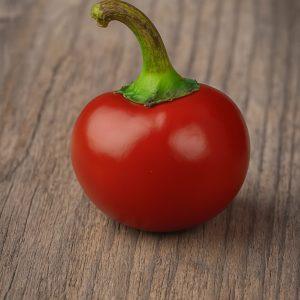
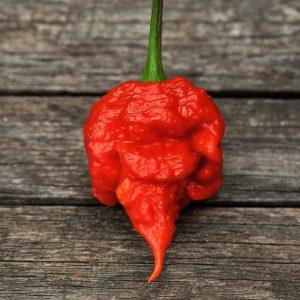
- Shape: Squash-shaped, resembling a lantern or bonnet
- Size: 4–5 cm long, 2–2.5 cm diameter
- Color Stages: Immature: green → Ripe: bright red
- Wall Thickness: Thin to medium
- Texture & Skin: Wrinkled and slightly blistered with a glossy finish
Plant Details
- Growth Habit: Bushy
- Plant Height & Width: Approximately 60 cm tall, 50 cm wide
- Foliage: Dark green, slightly pubescent
- Flower Color: White
- Days to Maturity: 90–100 days from transplant
- Yield: High – typically 80–120 pods per plant under optimal conditions
Cultivation Information
- Seed Count per Pack: 5 or 10 seeds (Presoaking Chilli Seeds)
- Germination Time: 7–14 days (Germinating Chilli Seeds)
- Optimal Germination Temp: 25–30°C (Essential guide to ideal temperatures and humidity for chilli seed germination)
- Light Requirements: Filtered sun
- Soil Preferences: Prefers well-drained loamy soil with pH between 6.0 and 7.0. Enrich with compost and perlite for optimal root development (Easy DIY soil mixes)
- Storage Tips: Store seeds in airtight containers in a cool, dry place. Avoid exposure to humidity and light to preserve viability for up to 3 years.
Notable Compounds
- Capsaicinoid Content: High levels of capsaicin and dihydrocapsaicin contribute to its pungency
- Volatile Flavor Compounds: Limonene and esters may contribute to its fruity aroma and tropical flavor profile
- Anthocyanins / Pigments: Minimal anthocyanin presence; coloration driven by carotenoids such as capsanthin and capsorubin
Culinary & Cultural Use
- Traditional Uses: Used in jerk marinades, pepper shrimp, pickled condiments, and hot sauces. Often blended with vinegar and spices for traditional Jamaican pepper sauce.
- Raw vs Cooked Flavor: Raw pods deliver a crisp texture and explosive fruitiness. Cooking enhances sweetness and reduces bitterness. Roasting deepens the flavor, while pickling preserves both heat and color.
- Regional Dishes: Featured in jerk chicken, escovitch fish, pepper shrimp, and mango-pepper chutneys. Also used in Caribbean-style hot sauces and relishes.
- Storage / Drying / Preserving Tips: Dry pods in shaded, ventilated areas to retain flavor and color. Once dried, they may be ground into powder or stored whole. Fermentation with garlic and vinegar yields a robust, shelf-stable condiment.


Reviews
There are no reviews yet.