
Description
Product Name: Chilhuacle Amarillo Pepper Seeds
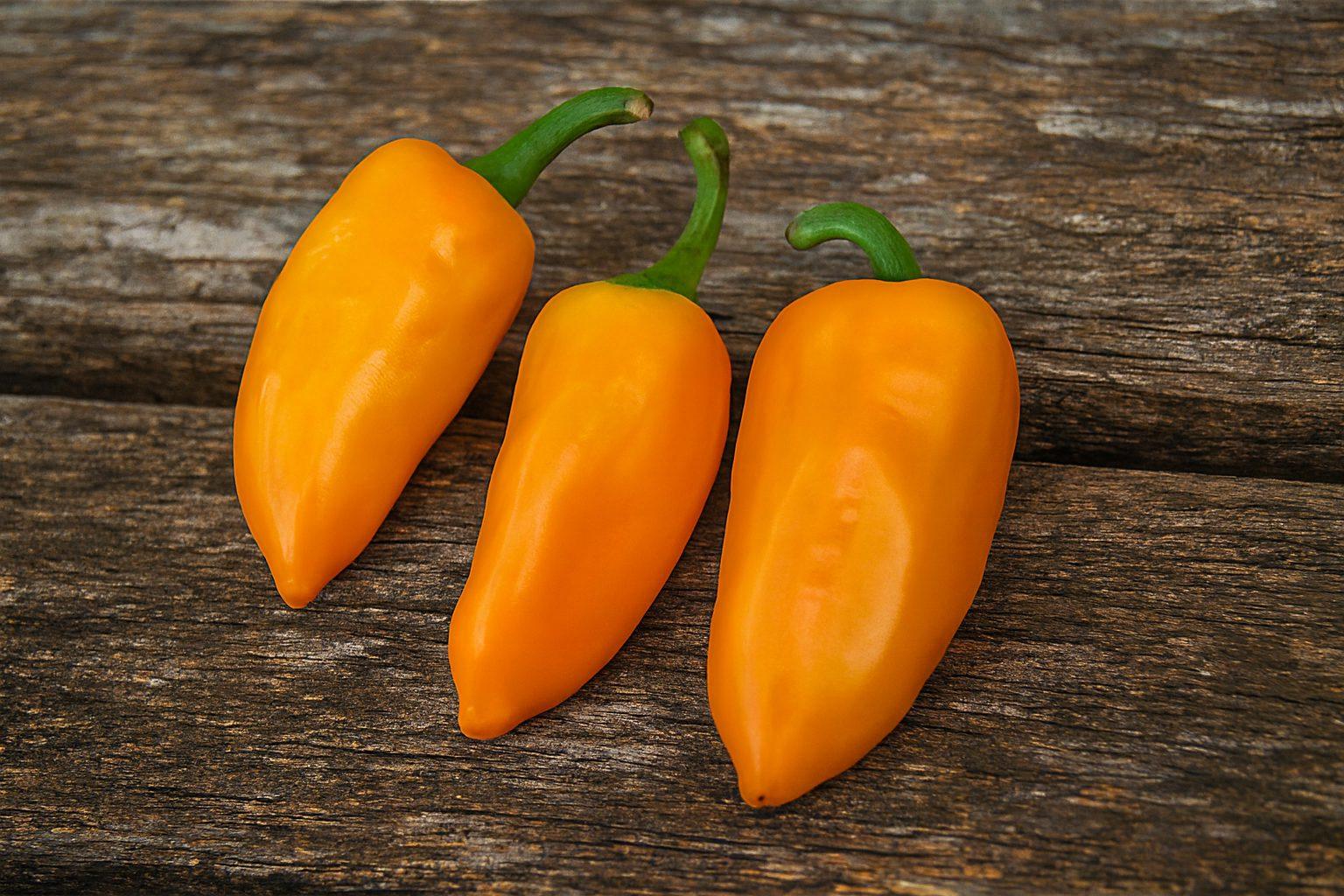
Chilhuacle Amarillo is a rare and culturally revered Capsicum annuum cultivar native to the Oaxaca region of southern Mexico. This heirloom pepper is one of three traditional Chilhuacle varieties—alongside Chilhuacle Negro and Chilhuacle Rojo—that have been cultivated for centuries and remain central to Oaxacan cuisine. Known for its rich yellow-orange hue, complex flavor, and mild heat, Chilhuacle Amarillo is indispensable in the preparation of mole amarillo, one of Oaxaca’s most iconic sauces. Its scarcity outside the region has elevated its status among chefs, collectors, and heritage seed growers. With a thick-walled pod, citrusy aroma, and herbal undertones, this cultivar offers a sensory experience that is both nuanced and deeply rooted in tradition.
Cultivar Name: Chilhuacle Amarillo
Species: Capsicum annuum
Common Names: None formally recognized
Type: Heirloom
Origin & Lineage
Geographic Origin: Chilhuacle Amarillo originates from the highland valleys of Oaxaca, Mexico, particularly around the Cuicatlán district. This region’s unique microclimate—characterized by warm days, cool nights, and mineral-rich soils—has shaped the development of the Chilhuacle pepper family over generations. The name “Chilhuacle” is derived from the Nahuatl word chīlhuātl, meaning “old or ancient chile,” reflecting its deep historical roots and continued reverence in indigenous and mestizo communities.
Cultural Significance: Chilhuacle Amarillo holds profound culinary and cultural importance in Oaxaca. It is traditionally used in mole amarillo, a yellow mole sauce that combines the pepper’s herbal brightness with spices, seeds, and local vegetables. This mole is often served during festivals, weddings, and religious celebrations, symbolizing abundance and regional identity. While ritual use is less documented than with other indigenous crops, the pepper’s role in ceremonial meals and its preservation through oral tradition underscore its folkloric significance. Chilhuacle Amarillo is also dried and ground into powder for use in soups, stews, and tamales, maintaining its presence across seasonal and spiritual cycles.
Lineage / Hybridizer History: Unlike modern hybrids, Chilhuacle Amarillo has been passed down through generations of smallholder farmers using traditional seed-saving methods. It is not the product of a single breeder but rather a collective legacy of indigenous and mestizo agricultural communities. The cultivar has remained relatively stable due to careful selection for pod shape, flavor, and color. However, due to its limited geographic cultivation and susceptibility to disease outside its native range, it has not undergone commercial hybridization. Its lineage is purely annuum, with no known crosses to other species. Preservation efforts by seed banks and heritage growers have helped maintain its genetic integrity.
Heat Profile
Scoville Rating (SHU):
Estimated between 1,000–5,000 SHU
Perceived Heat:
Medium (1,000 to 15,000 SHU)
Heat Characteristics:
The heat of Chilhuacle Amarillo is subtle and well-integrated into its flavor profile. It presents as a gentle warmth that builds slowly, never overwhelming the palate. The burn is concentrated in the placenta and inner walls, while the thick outer flesh remains mild. This allows the pepper’s herbal and citrus notes to shine through, making it ideal for complex sauces and slow-cooked dishes. The heat dissipates quickly, leaving behind a clean finish that complements rather than dominates.
Flavor Profile
Tasting Notes:
Chilhuacle Amarillo is prized for its layered flavor, which includes citrusy brightness, mild sweetness, and herbal depth. Some growers report faint smoky undertones, though this may vary depending on growing conditions and post-harvest treatment. The flavor is tart and slightly sharp when raw, but mellows into a rich, aromatic profile when roasted or dried.
Aftertaste / Finish:
The finish is clean and slightly tangy, with lingering herbal notes. A mild bitterness may be present in the skin, especially when consumed raw, but this is softened through cooking. The pepper’s aromatic compounds continue to develop after roasting, contributing to a warm, savory aftertaste.
Ideal Pairings:
- Mole amarillo and other traditional Oaxacan sauces
- Roasted squash, corn, and root vegetables
- Poultry and pork stews
- Citrus-based marinades
- Mild chili powders and seasoning blends
Fruit Characteristics
Shape:
Broad and slightly flattened, tapering to a rounded point
Size:
Approximately 5–8 cm long, 3–4 cm diameter
Color Stages:
Immature: green → Ripe: yellow-orange
Wall Thickness:
Thick
Texture & Skin:
Smooth with occasional wrinkling near the stem.
Plant Details
Growth Habit:
Bushy
Plant Height & Width:
Height: 60–120 cm
Width: 50–80 cm
Foliage:
Dark green, slightly pubescent
Flower Color:
White
Days to Maturity:
70–80 days from transplant
Yield:
Moderate – typically 30–50 pods per plant under optimal conditions.
Cultivation Information
Seed Count per Pack:
5 or 10 seeds (Presoaking Chilli Seeds)
Germination Time:
7–14 days (Germinating Chilli Seeds)
Optimal Germination Temp:
25–30°C (Essential guide to ideal temperatures and humidity for chilli seed germination)
Light Requirements:
Filtered sun
Soil Preferences:
- pH range: 6.2–7.0
- Well-draining loamy soil
- Enriched with compost and organic matter (Easy DIY soil mixes)
Storage Tips:
Store seeds in airtight containers in a cool, dry place. Refrigeration is recommended for long-term viability.
Notable Compounds
Capsaicinoid Content:
Contains capsaicin and dihydrocapsaicin in low to moderate concentrations
Volatile Flavor Compounds:
Includes limonene, β-caryophyllene, and trace aldehydes contributing to citrus and herbal aroma
Anthocyanins / Pigments:
Minimal anthocyanin expression; coloration dominated by carotenoids such as β-carotene and lutein.
Culinary & Cultural Use
Traditional Uses:
- Mole amarillo (yellow mole)
- Roasted and peeled for sauces
- Dried and ground into chili powder
- Rehydrated for soups and stews
- Used in tamales and ceremonial dishes
Raw vs Cooked Flavor:
Raw pods offer a tart, slightly bitter flavor with herbal brightness. Cooking—especially roasting or drying—enhances sweetness and reduces acidity. Roasted pods develop a richer, more savory profile, while dried pods concentrate the citrus and herbal notes. Pickling is uncommon but possible, though it may mute the pepper’s delicate flavor.
Regional Dishes:
- Mole Amarillo (Oaxaca)
- Caldo de chile Chilhuacle
- Tamales de mole amarillo
- Salsas for barbacoa and tlayudas
Storage / Drying / Preserving Tips:
- Roast and peel before use to remove tough skin
- Air-dry whole pods in shaded, ventilated areas
- Grind into powder for seasoning blends
- Rehydrate dried pods in warm water for sauces
- Store dried pods in airtight containers away from light and moisture


Reviews
There are no reviews yet.