
Description
Product Name: Purple Thai Chilli Seeds
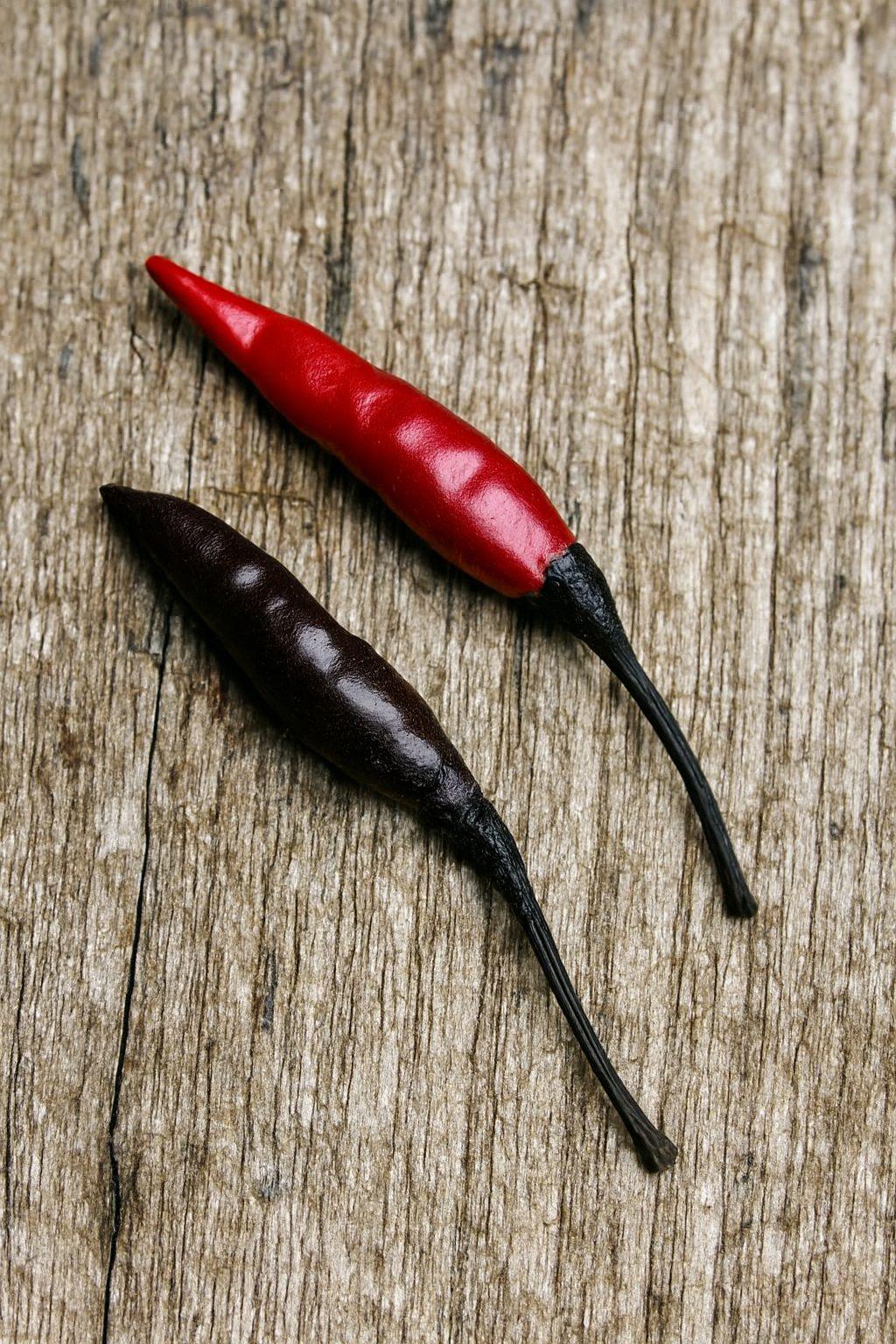
Purple Thai is a visually arresting chili cultivar that combines ornamental elegance with culinary potency. Known for its vibrant purple pods and compact growth habit, this variety is a standout among Thai-type peppers. Despite its modest size, Purple Thai delivers a fiery heat and a complex flavor profile that has earned it a place in both decorative gardens and authentic Southeast Asian kitchens. Its adaptability to container gardening and prolific fruiting make it a favorite among growers seeking both beauty and spice. Though often classified as ornamental, Purple Thai is fully edible and highly versatile, bridging the gap between aesthetic appeal and culinary function.
Cultivar Name: Purple Thai
Species: Capsicum annuum
Common Names: Thai Purple, Ornamental Thai
Type: Heirloom
Origin & Lineage
Geographic Origin: Purple Thai originates from Thailand, where it was cultivated as part of a broader family of Thai-type peppers. These peppers, introduced to Southeast Asia via the Columbian Exchange, were adapted over centuries to suit regional climates and culinary preferences. Purple Thai is believed to be a localized selection from Thai ornamental lines, bred for its striking pigmentation and compact growth. It thrives in tropical and subtropical conditions, though it has proven resilient in temperate zones when grown with care.
Cultural Significance: In Thai cuisine, chili peppers are foundational, used in everything from curries to dipping sauces. While Purple Thai is not among the traditional culinary staples like Prik Kee Noo or Prik Jinda, it has gained popularity for its dual-purpose role. Its vivid purple hue is often used to add visual contrast to dishes, and its heat level makes it suitable for spice-forward preparations. In ornamental horticulture, Purple Thai is prized for its gradient color transitions and decorative foliage. Though not tied to ritual use, it is occasionally featured in temple offerings and festive arrangements due to its auspicious coloration.
Lineage / Hybridizer History: Purple Thai is considered an open-pollinated heirloom, with no single breeder credited for its development. It likely emerged from selective breeding of Thai-type annuum peppers with high anthocyanin expression. Over time, growers stabilized traits such as pod color, plant size, and heat level. While some sources list it under Capsicum frutescens, genetic analysis and growth habit confirm its classification as Capsicum annuum. Its lineage includes Thai Dragon and other small-fruited ornamental types, with emphasis on pigmentation and compact form.
Heat Profile
Scoville Rating (SHU):
40,000–60,000 SHU
Perceived Heat:
Very Hot (50,000 to 150,000 SHU)
Heat Characteristics:
Purple Thai delivers a sharp, immediate burn that intensifies quickly. The heat is concentrated in the placenta and inner walls, with a stinging sensation on the tongue and lips. It lingers for 10–15 minutes, making it suitable for dishes that require a quick, assertive spice. The heat is consistent across pods, though slightly milder in immature purple fruits compared to fully ripened red ones.
Flavor Profile
Tasting Notes:
The flavor opens with a floral sweetness and subtle fruitiness, followed by a clean, herbal sharpness. There are faint citrus notes and a hint of bitterness, especially in raw pods.
Aftertaste / Finish:
A dry, slightly grassy finish follows the initial burst of heat. The aftertaste is clean and does not overwhelm the palate, allowing it to pair well with aromatic herbs and acidic ingredients.
Ideal Pairings:
- Thai basil and lemongrass
- Coconut milk-based curries
- Pickled vegetables and fish sauce
- Stir-fried noodles and rice dishes
- Fermented chili pastes and sambals
Fruit Characteristics
Shape:
Elongated and pointed, often slightly curved
Size:
Approximately 4–5 cm long, 0.5–1 cm diameter
Color Stages:
Immature: green → purple → Ripe: red
Wall Thickness:
Thin
Texture & Skin:
Smooth and glossy with a firm bite.
Plant Details
Growth Habit:
Compact and bushy
Plant Height & Width:
Height: 30–45 cm
Width: 25–35 cm
Foliage:
Dark green with purple-tinged stems and leaf veins; slightly pubescent
Flower Color:
Purple
Days to Maturity:
90–100 days from germination
Yield:
Moderate – typically 40–60 pods per plant under optimal conditions.
Cultivation Information
Seed Count per Pack:
5 or 10 seeds (Presoaking Chilli Seeds)
Germination Time:
7–14 days (Germinating Chilli Seeds)
Optimal Germination Temp:
25–30°C (Essential guide to ideal temperatures and humidity for chilli seed germination)
Light Requirements:
Filtered sun
Soil Preferences:
- pH range: 6.0–6.8
- Loamy, well-draining soil
- Enriched with compost and organic matter (Easy DIY soil mixes)
Storage Tips:
Store seeds in airtight containers in a cool, dry place. Refrigeration is recommended for long-term viability.
Notable Compounds
Capsaicinoid Content:
Contains capsaicin and dihydrocapsaicin, contributing to its pungency and potential metabolic benefits
Volatile Flavor Compounds:
Limonene and trace esters contribute to its floral and citrus aroma
Anthocyanins / Pigments:
High anthocyanin concentration, including cyanidin and delphinidin derivatives, responsible for the deep purple coloration in immature pods and foliage.
Culinary & Cultural Use
Traditional Uses:
Though not a staple in traditional Thai recipes, Purple Thai is used in:
- Stir-fries and noodle dishes
- Pickled chili assortments
- Decorative garnishes for soups and curries
- Infused oils and vinegars
Raw vs Cooked Flavor:
Raw pods offer a crisp texture and sharp heat with floral notes. Cooking—especially grilling or sautéing—enhances sweetness and reduces bitterness, allowing the pepper’s complexity to emerge.
Regional Dishes:
- Thai purple chili stir-fry (modern adaptation)
- Nam Prik Pao with Purple Thai (fusion variant)
- Pickled Purple Thai chili with garlic and vinegar
Storage / Drying / Preserving Tips:
- Air-dry whole pods in a shaded, ventilated area until brittle
- Store dried pods in vacuum-sealed containers
- Pickle fresh pods in vinegar brine with garlic and sugar
- Freeze whole pods in airtight bags for up to 6 months


Reviews
There are no reviews yet.