
Description
Product Name: Bulgarian Carrot Chilli Seeds
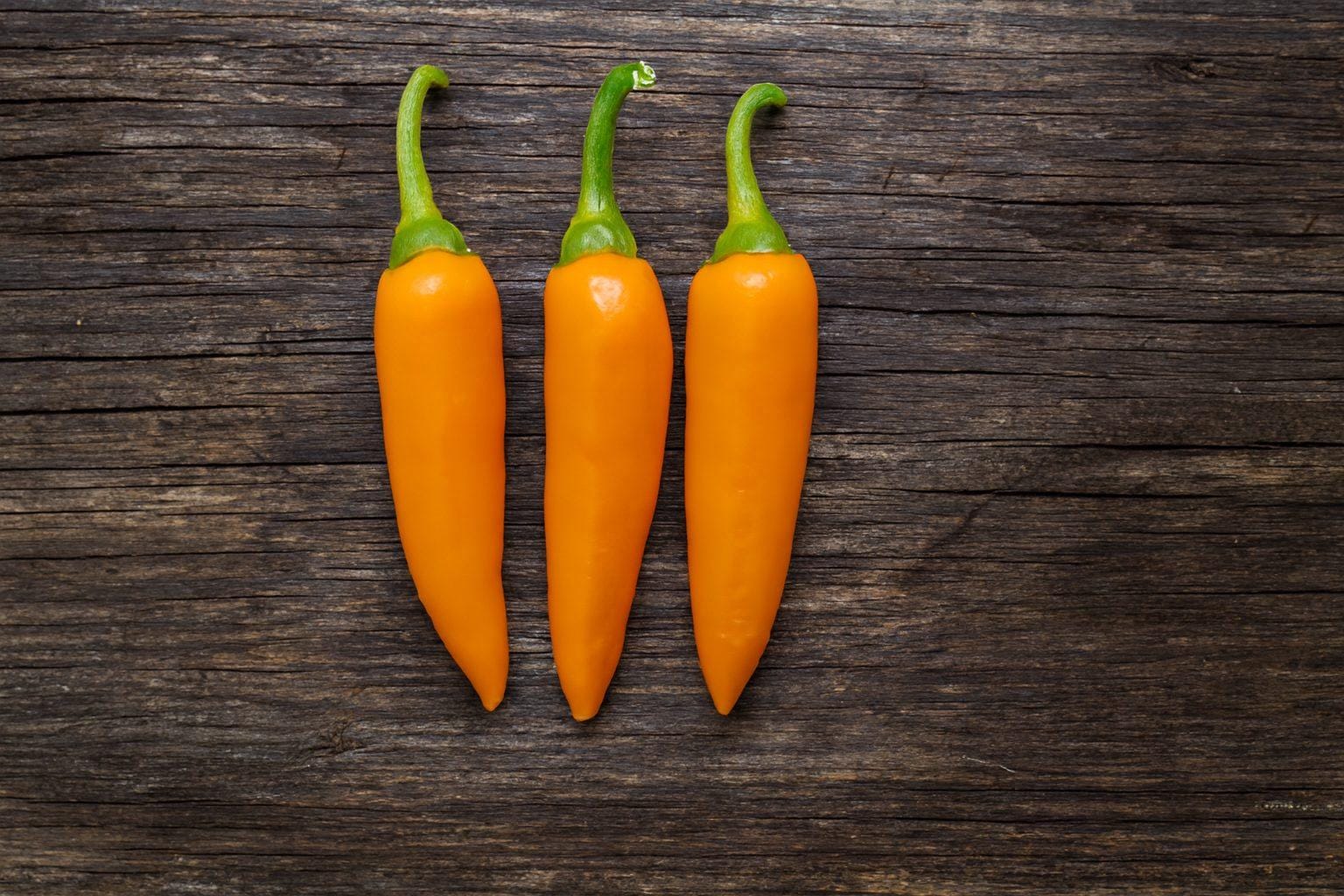
Bulgarian Carrot is a vibrant heirloom chili cultivar celebrated for its carrot-like appearance, crisp texture, and fruity heat. Known also as Shipka or Hot Carrot Pepper, this variety has gained international recognition for its culinary versatility and ornamental appeal. Its bright orange pods and medium heat make it a favorite among gardeners, chefs, and chili enthusiasts alike. Despite its modest size, the Bulgarian Carrot delivers a bold flavor and a satisfying crunch, making it ideal for pickling, roasting, and fresh applications. Its Cold War-era backstory adds intrigue to an already captivating cultivar.
Cultivar Name: Bulgarian Carrot
Species: Capsicum annuum
Common Names: Shipka Pepper, Hot Carrot Pepper
Type: Heirloom
Origin & Lineage
Geographic Origin: Native to Bulgaria, the Bulgarian Carrot pepper is believed to have been cultivated in the Balkan region for generations. Its popularity spread across Eastern Europe and eventually reached Western markets in the 1980s. The cultivar thrives in cooler climates and is well-suited to high-altitude gardens, making it a resilient choice for temperate zones.
Cultural Significance: The Bulgarian Carrot has been used traditionally in Balkan cuisine, particularly in pickled vegetable assortments and spicy relishes. Its crisp texture and bright color made it a staple in festive dishes and seasonal preserves. Folklore suggests that the pepper was smuggled out of Eastern Europe during the Cold War, earning it a reputation as a “rebel chili” among collectors and growers. Though not tied to ritual use, its ornamental value and culinary adaptability have made it a cultural icon in Bulgarian horticulture.
Lineage / Hybridizer History: This cultivar is considered an heirloom, with no single breeder credited for its development. It is believed to be a natural cross between local Bulgarian varieties and Caribbean habanero types, resulting in a pepper that combines tropical fruitiness with Eastern European hardiness. The name “Shipka” may refer to the Bulgarian town or to the rosehip-like appearance of the fruit, depending on regional interpretation.
Heat Profile
Scoville Rating (SHU):
5,000–30,000 SHU
Perceived Heat:
Medium (1,000 to 15,000 SHU)
Heat Characteristics:
The heat of Bulgarian Carrot peppers is immediate but not overwhelming. It begins with a sharp bite on the tongue and gradually spreads to the palate, lingering in the throat with a warm finish. The heat level can vary depending on growing conditions, with higher temperatures and nutrient-rich soil producing spicier pods. Despite its moderate rating, the pepper’s crisp texture amplifies the sensation, making it feel hotter than its SHU might suggest.
Flavor Profile
Tasting Notes:
Bulgarian Carrot peppers offer a sweet, fruity flavor with hints of citrus and tropical undertones. The taste is reminiscent of habanero but without the overwhelming heat, allowing the flavor to shine through.
Aftertaste / Finish:
A clean, slightly tangy finish follows the initial sweetness, with a mild bitterness and herbal note that complements savory dishes. The aftertaste is refreshing and does not overpower the palate.
Ideal Pairings:
- Fresh salsas and chutneys
- Pickled vegetable medleys
- Grilled meats and seafood
- Roasted root vegetables
- Artisan breads and focaccia
Fruit Characteristics
Shape:
Conical and tapered, resembling a small carrot with a pointed non-stem end
Size:
8–10 cm long, 2–2.5 cm diameter
Color Stages:
Immature: dark green → Ripe: bright orange
Wall Thickness:
Medium
Texture & Skin:
Smooth and glossy with a firm, crisp bite.
Plant Details
Growth Habit:
Bushy
Plant Height & Width:
Height: 45–60 cm
Width: 30–45 cm
Foliage:
Dark green, slightly pubescent
Flower Color:
White
Days to Maturity:
65–80 days from germination
Yield:
High – typically 50–80 pods per plant under optimal conditions.
Cultivation Information
Seed Count per Pack:
5 or 10 seeds (Presoaking Chilli Seeds)
Germination Time:
7–14 days (Germinating Chilli Seeds)
Optimal Germination Temp:
25–30°C (Essential guide to ideal temperatures and humidity for chilli seed germination)
Light Requirements:
Filtered sun
Soil Preferences:
- pH range: 6.0–6.8
- Well-draining loamy soil
- Enriched with compost and organic matter (Easy DIY soil mixes)
Storage Tips:
Store seeds in airtight containers in a cool, dry place. Refrigeration is recommended for long-term viability..
Notable Compounds
Capsaicinoid Content:
Contains capsaicin and dihydrocapsaicin, contributing to its moderate heat and potential health benefits
Volatile Flavor Compounds:
Limonene and trace esters contribute to its citrusy aroma and fruity flavor
Anthocyanins / Pigments:
High levels of beta-carotene and other carotenoids give the pepper its vivid orange hue; minimal anthocyanin expression.
Culinary & Cultural Use
Traditional Uses:
- Pickled in vinegar brine for winter preserves
- Added to ajvar-style spreads and Balkan relishes
- Used in spicy chutneys and fresh salsas
Raw vs Cooked Flavor:
Raw pods deliver a crisp, fruity bite with sharp heat. Cooking—especially roasting or grilling—enhances sweetness and softens the heat, revealing earthy and smoky undertones.
Regional Dishes:
- Bulgarian carrot ajvar (variation)
- Shipka pepper pickles
- Balkan-style grilled vegetable platters
- Carrot pepper chutney with apricot or plum
Storage / Drying / Preserving Tips:
- Air-dry whole pods in a shaded, ventilated area until brittle
- Store dried pods in vacuum-sealed containers
- Pickle fresh pods in vinegar with garlic and dill
- Freeze whole or sliced pods in airtight bags for up to 6 months



Reviews
There are no reviews yet.